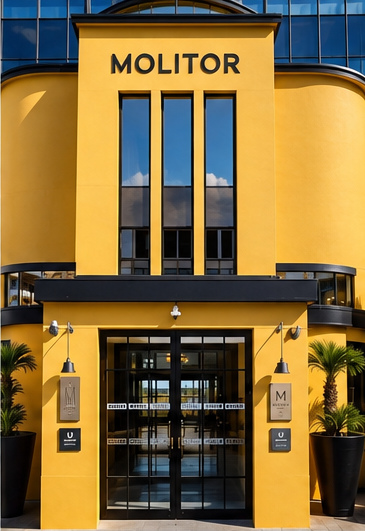
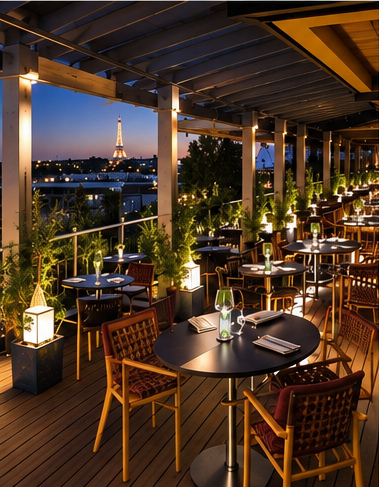
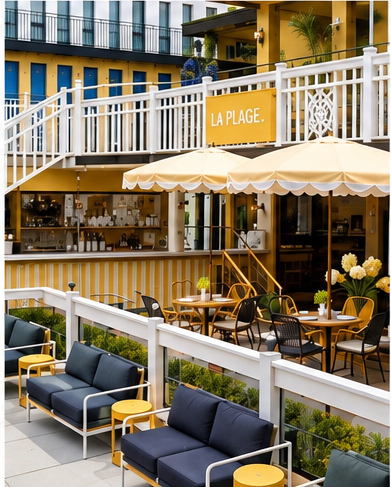
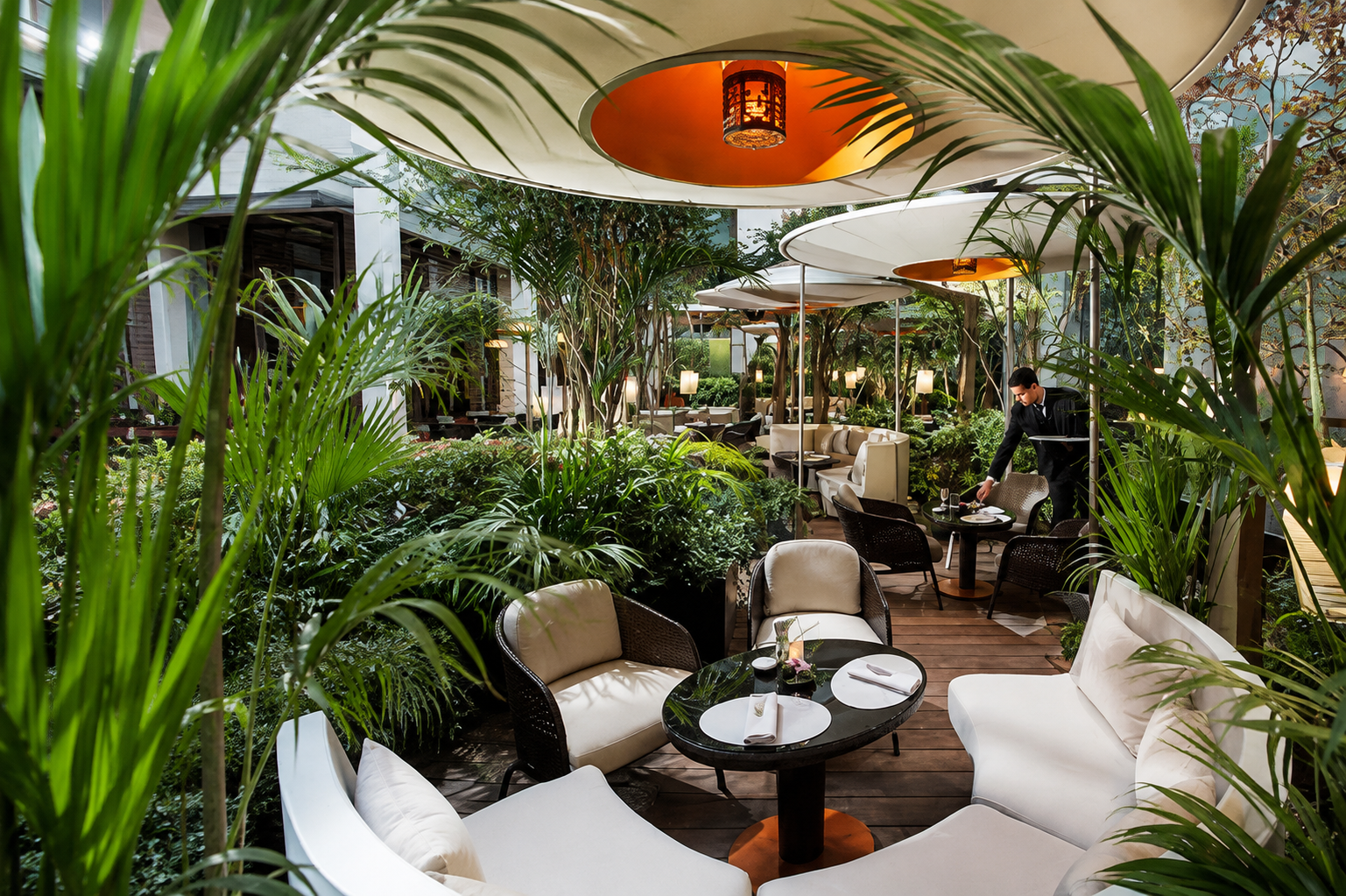
There are places in Paris that you visit, and there are places that become part of your story. Tucked away in the 16th arrondissement, between Roland Garros, the Parc des Princes and the elegant avenues leading towards the Eiffel Tower and Avenue Montaigne, Molitor Hotel & Spa occupies a singular place in the Parisian landscape.More than a five-star hotel, it is an urban sanctuary built around one of the city’s most iconic pools ,a place where architecture, sport, wellness and contemporary lifestyle meet.
But to understand Molitor today, you have to go back almost a century. Because this is not simply a hotel with a famous swimming pool. It is a place that has lived several different lives.
THE BEGINNING: PARIS, 1929
Molitor opened its doors in 1929 as the Piscine Molitor Grands Établissements Balnéaires d’Auteuil, completing a remarkable sporting district alongside Roland Garros, the Parc des Princes and the Stade Jean-Bouin.
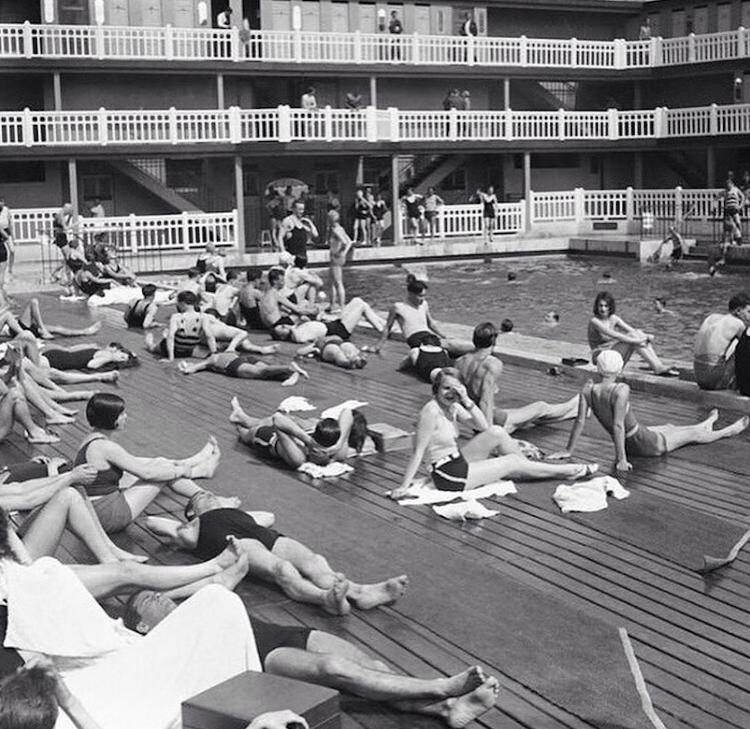
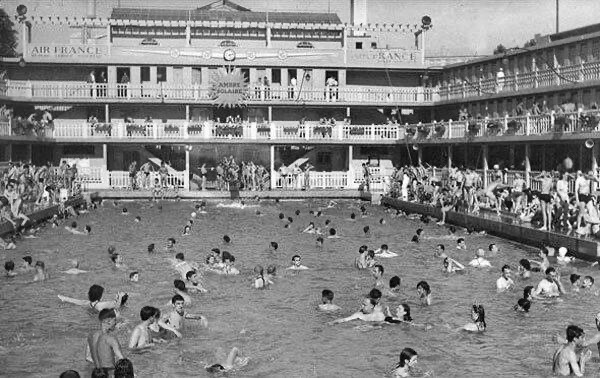
Designed by architect Lucien Pollet, the complex was unlike anything else in Paris. Its geometric Art Deco architecture, blue changing cabins, elegant railings and two swimming pools gave it the appearance of an ocean liner — earning it the nickname of the “paquebot blanc”, or white ocean liner. The ambition was not simply to create a place for swimming. Molitor was conceived as a complete world of leisure: Parisians could swim, exercise, sunbathe, socialise and, in winter, even ice-skate. From the very beginning, Molitor was destined to be more than a swimming pool.
THE GOLDEN YEARS: WHEN MOLITOR BECAME A SOCIAL STAGE
During the decades that followed, Molitor became one of Paris’s most fashionable meeting places.
It was a place to swim, certainly — but also to be seen.
Restaurants, a bar-tabac and even a hairdressing salon surrounded the pools. Events became part of the identity of the place: the artists’ gala was held there in 1931, while from 1934 the annual Fête de l’Eau brought together swimmers, spectators and celebrities for festivities and the election of the season’s most beautiful bather. Fashion shows and aquatic galas added to its reputation as one of the city’s most extravagant addresses.
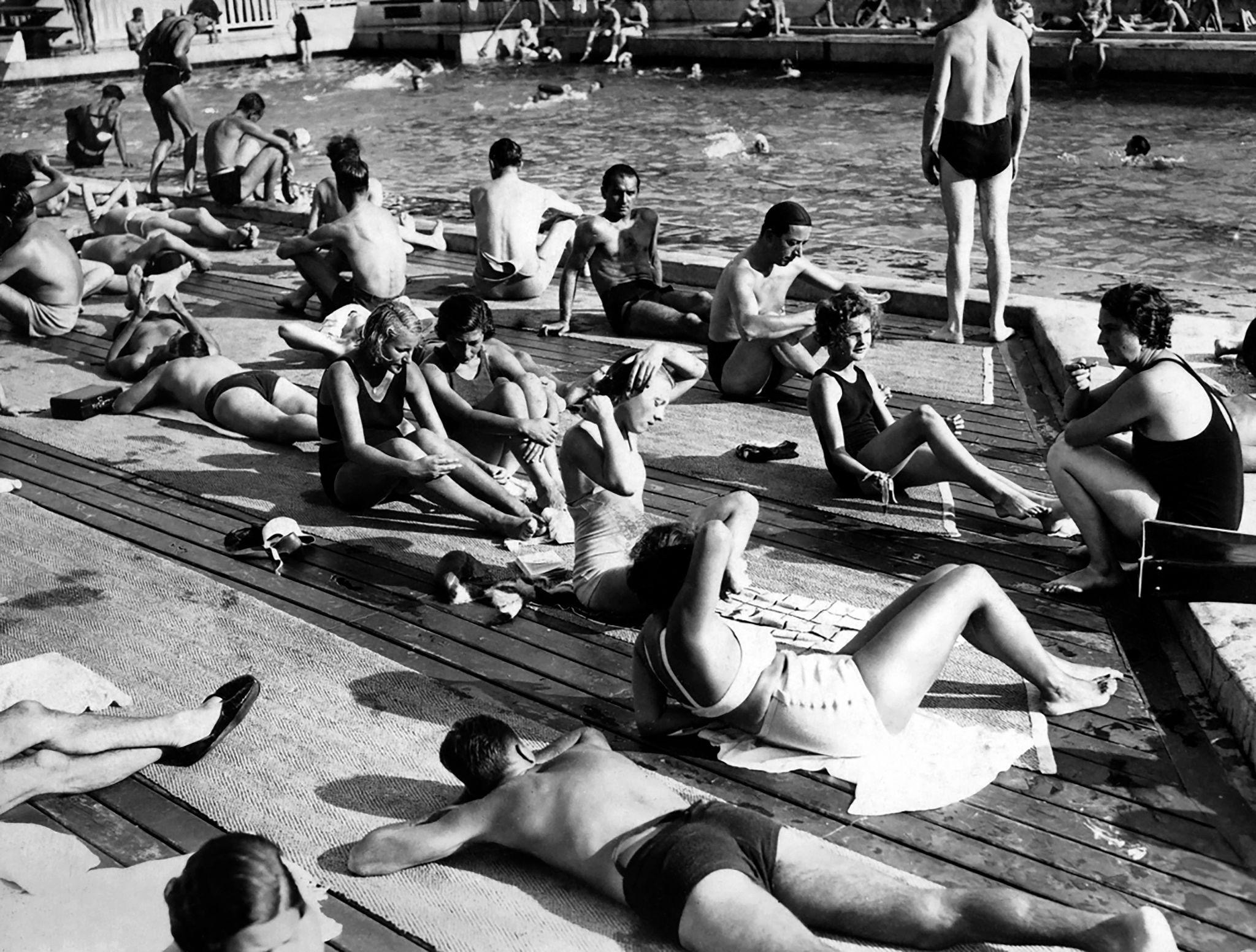
Molitor became a stage for Parisian life. Its blue cabins, surrounding terraces and pools created a very particular atmosphere — part sports club, part social salon, part theatre. And then, in 1946, Molitor became part of fashion history.
5 JULY 1946: THE BIKINI MOMENT
On 5 July 1946, a new garment was presented beside the outdoor pool at Molitor. Louis Réard introduced the bikini, worn by dancer Micheline Bernardini, during the Fête de l’Eau. The swimsuit was deliberately provocative. Its name referred to Bikini Atoll in the Pacific, where the United States had recently conducted atomic bomb tests.
The setting could hardly have been more appropriate. Molitor had already established itself as a place where convention could be challenged. The arrival of the bikini transformed the pool into a moment in fashion history — connecting a Parisian swimming pool with one of the most recognisable revolutions in twentieth-century style
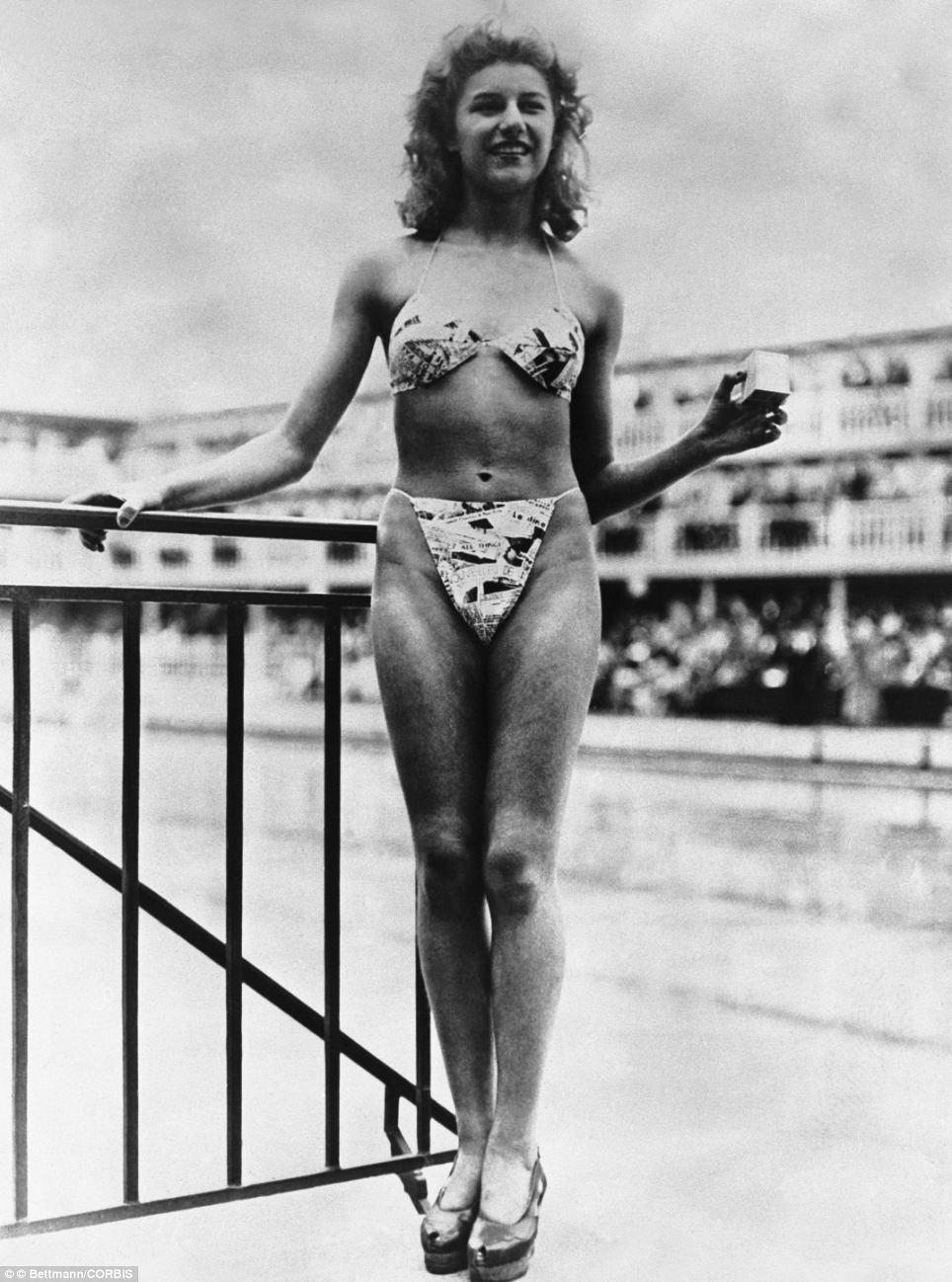
From that moment, Molitor was no longer simply part of Parisian leisure culture. It had entered popular culture.
THE END OF AN ERA: 1989
Like many icons, Molitor eventually began to fade. From the 1970s, the complex entered a period of decline. The ice rink closed, the water filtration system deteriorated, the concrete suffered from decades of chlorine exposure and the glass roof of the indoor pool required major renovation. In 1989, when the operating lease officially expired, the keys were returned to the City of Paris.
The doors closed. And for more than two decades, one of Paris’s most extraordinary modernist landmarks remained abandoned. But Molitor was never truly empty.
1989–2014: THE UNDERGROUND YEARS
An abandoned building in Paris rarely remains abandoned for long. During the years that followed its closure, Molitor became something entirely different: a secret, decaying playground for artists and the Parisian underground. Street artists discovered its empty walls. The abandoned changing cabins and pools became an enormous canvas. What had once been a symbol of elegant Parisian leisure became a symbol of creative freedom. This period would later become essential to Molitor’s contemporary identity. The hotel’s relationship with urban art is not a marketing addition imposed on the building decades later — it is part of the building’s second life.
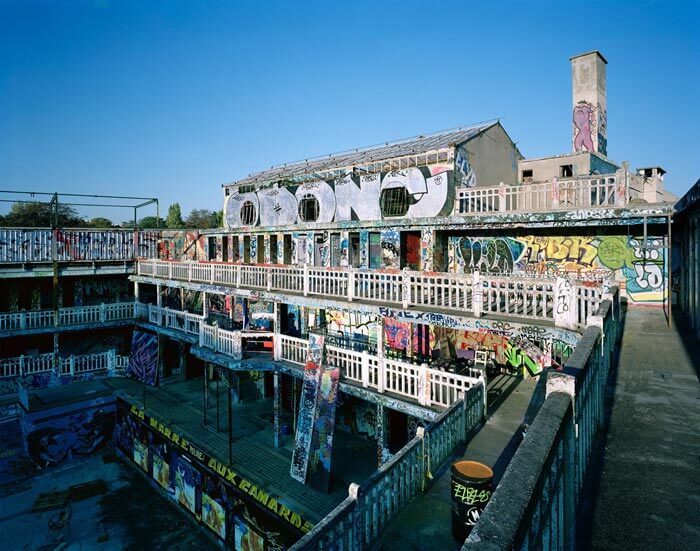
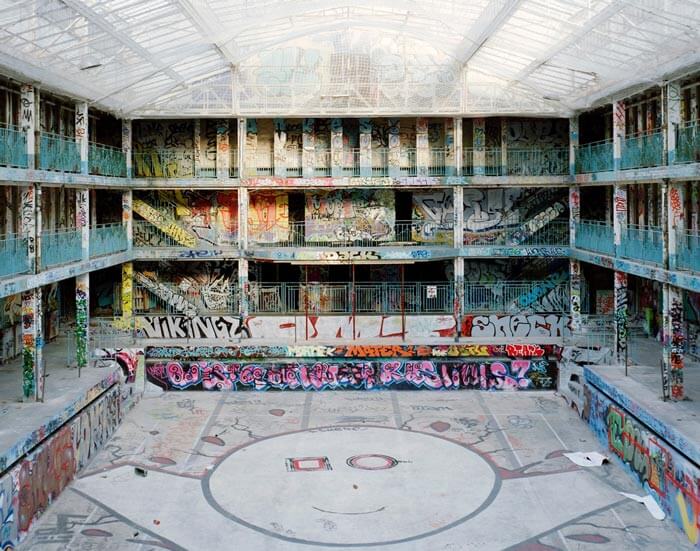
Molitor itself describes these years as a period when the abandoned complex became a “temple of the Parisian underground”.
THE REBIRTH: 2011–2014
The next chapter began in 2011, when restoration works started. The challenge was extraordinary.
The original structure had deteriorated to such an extent that most of the swimming complex had to be demolished. The historic Rotonde and the original entrance at 2 Avenue de la Porte de Molitor were among the elements that could be preserved. The pools were then reconstructed with remarkable attention to their original appearance — including the characteristic railings, mosaics and colours.
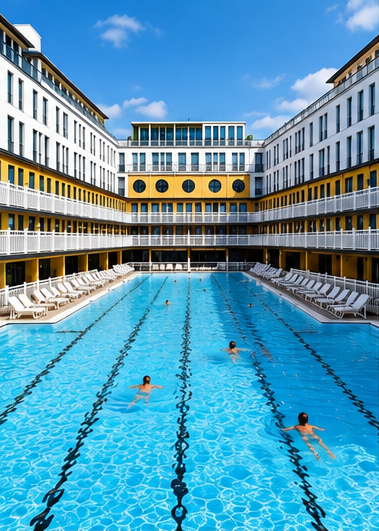
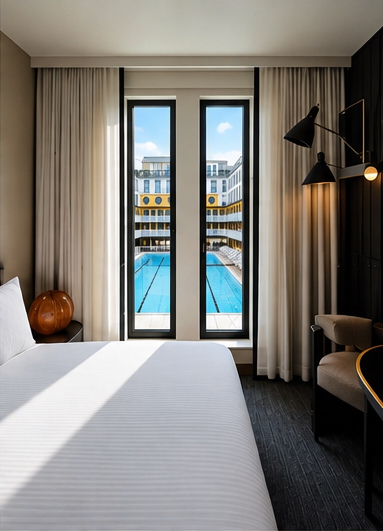
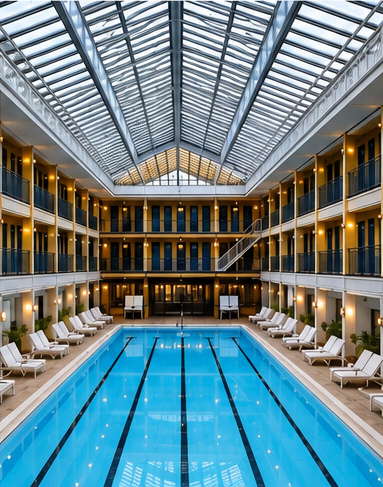
Molitor reopened its doors on 19 May 2014. The result was not an attempt to freeze the building in the past. It was a reinterpretation. The Art Deco architecture returned, while contemporary art, design, hospitality and wellness were introduced into the space. The old Molitor became the foundation for a new one.