Art Basel Paris Week 2026
A strong market behind the glass dome
Art Basel Paris 2026 delivered a week of major transactions, renewed attention to historical masterpieces and a striking demonstration of the continued appetite for exceptional works of art. Despite uncertainty surrounding the wider economic environment and an unexpectedly early closure of the fair, collectors continued to commit millions of dollars to works by established modern and contemporary artists.
During the first two preview days, galleries reported selling more than 300 works for approximately $147 million, according to figures compiled by the fair. These figures represent reported transactions rather than a complete accounting of all sales. The fair’s leading transactions were dominated by blue-chip names. Hauser & Wirth reported selling Gerhard Richter’s Rokokotisch (Rococo Table) (1965) and Georg Baselitz’s Der Hirte (The Shepherd) (1965) for approximately $10 million each.
Other major sales included two paintings by Julie Mehretu at White Cube, each reportedly sold for $7.85 million, and a Gerhard Richter painting at David Zwirner for $8.5 million. Pace Gallery reported the sale of Jean Dubuffet’s La chaise (1964) for more than $5 million. These transactions suggest that, at the highest end of the market, established artists with significant historical and institutional recognition continue to attract substantial buying power.
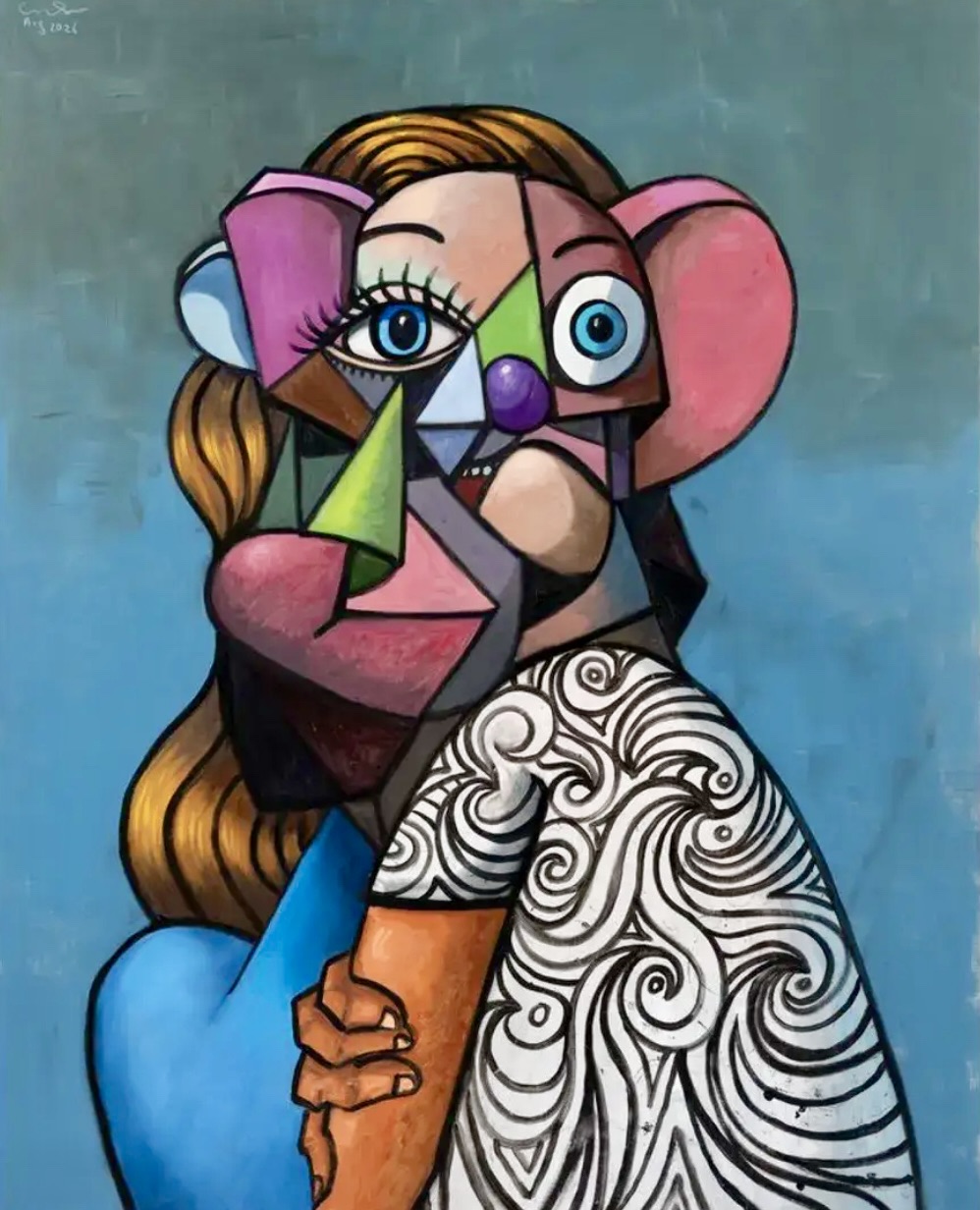
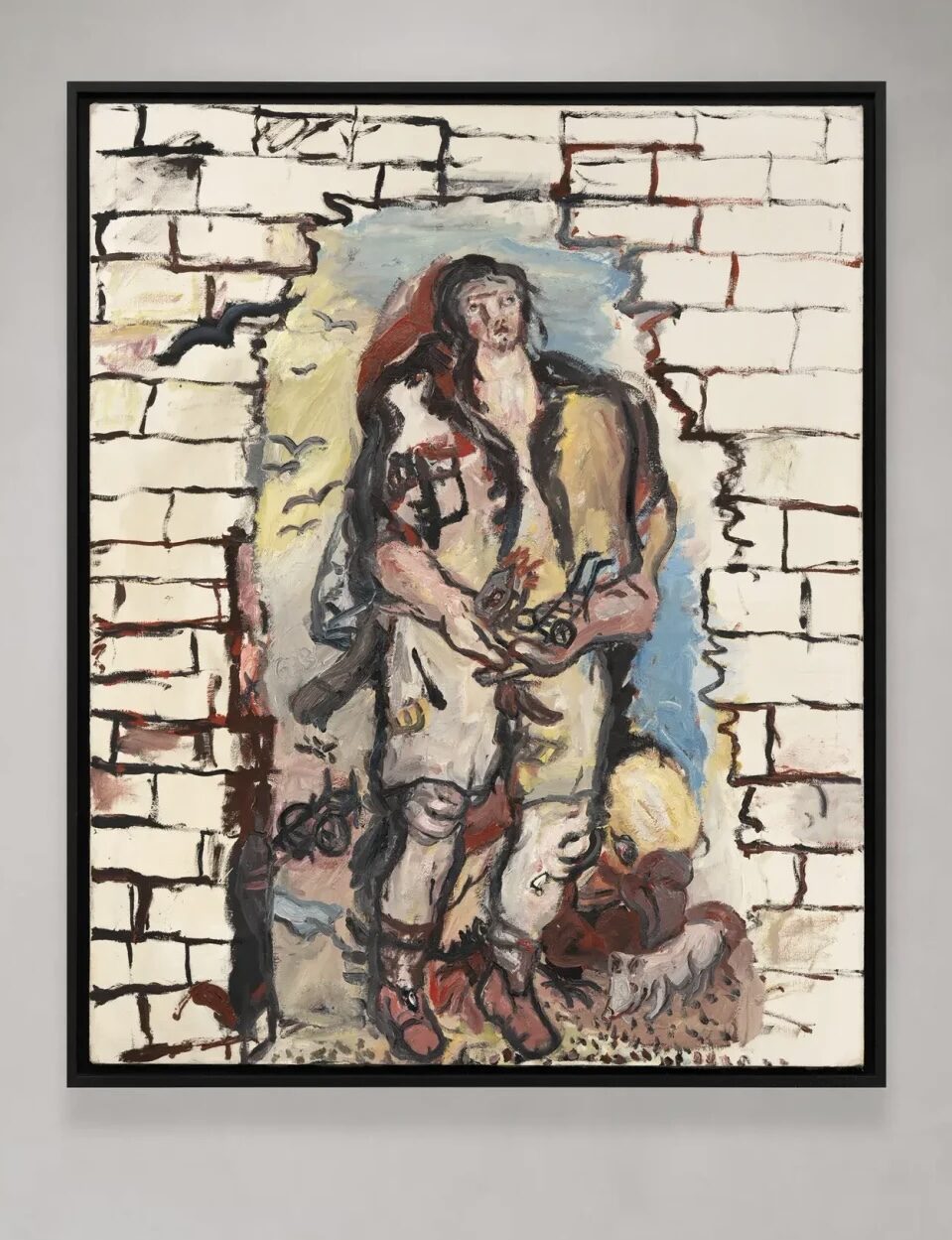
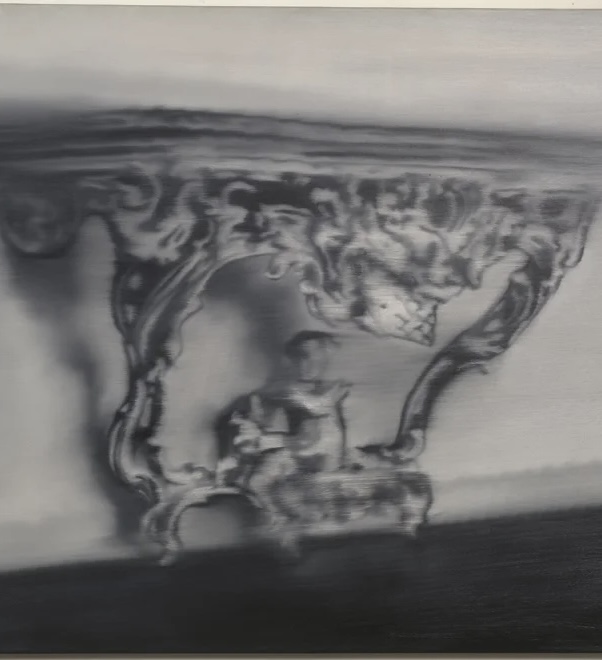
Photo Credits ©
George Condo Woman with Designer Shirt, 2026. Courtesy of Hauser & Wirth.
Georg Baselitz Georg BaselitzDer Hirte (The Shepherd), 1966, Courtesy of Hauser & Wirth
Gerhard Richter, Rokokotisch (Rococo Table), 1965. © Gerhard Richter 2026. Courtesy of Hauser & Wirth.
.
The return of the masterpiece
The fair also demonstrated that collectors are willing to compete for works that are difficult to replace. Marc Payot, president of Hauser & Wirth, described the autumn selling season as an extended opportunity to place important works with collectors.
“We treat Frieze in London and Art Basel Paris as a
single extended season for selling masterpieces,” he said.
His comment reflects a broader shift in the international art calendar, where major fairs increasingly operate as interconnected moments in a longer process of collecting, negotiation and acquisition.Contemporary art remained an important part of the picture. George Condo’s Woman with Designer Shirt (2026) was reported sold for $2.95 million at Hauser & Wirth, while other works by Condo achieved approximately $2.2 million each at Sprüth Magers. The figures indicate that demand is not confined to historical art, although the strongest reported transactions continued to favour artists with established international markets.
Monet makes auction history in Paris
Away from the Grand Palais, the week’s defining financial event took place at Sotheby’s Paris on 22 October.
Claude Monet’s Iris (1924–25), from the Schlumberger Collection, sold for €50 million, or approximately $56.2 million including fees. The result exceeded its presale estimate of €22 million to €30 million and established a record for the highest price achieved by an artwork at auction in France, according to Sotheby’s.
The bidding lasted approximately 45 minutes and involved six prospective buyers. The painting was acquired by a private collector in Asia, represented by Sotheby’s deputy chairman for Asia, Jen Hua.
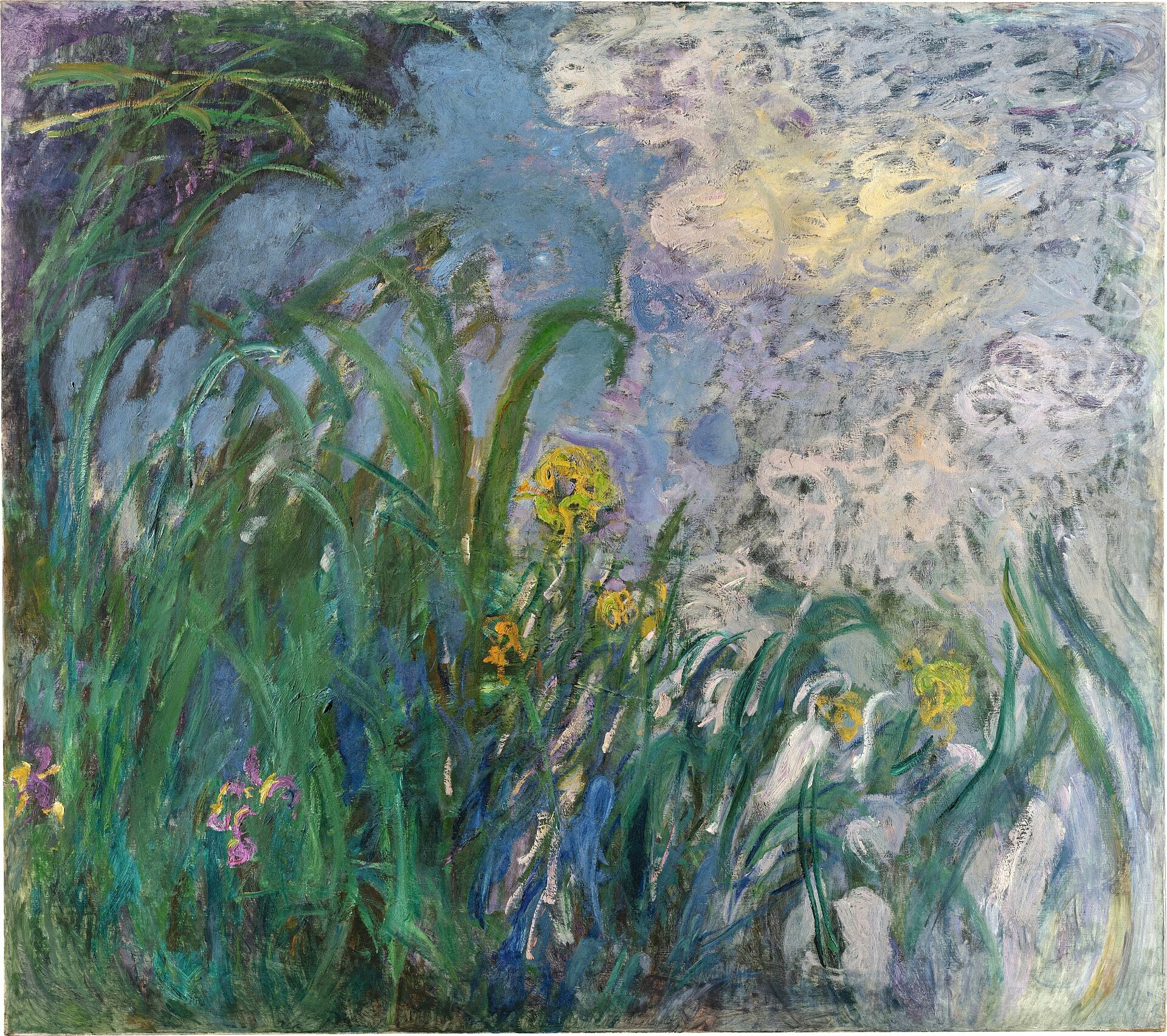
© Damien Perronnet / Blok Design Group & Art Digital Studio / Sotheby’s
Six bidders, 45 minutes, €50 million, and a new record high for France,” said Thomas Bompard, Sotheby’s France co-director of modern and contemporary art.
The sale of Iris led Le Temps Retrouvé: The Schlumberger Collection, which generated €74.4 million including fees, with every lot sold. Other notable results included Monet’s Saule pleureur (L’arbre de feu) at €9.7 million, Pierre Bonnard’s La Cueillette des Prunes at €2.5 million, and Gustave Moreau’s Rêve d’Orient at €1.4 million.
The results underline the importance of provenance, rarity and the opportunity to acquire works that have remained outside the public market for decades.
Buying in uncertain times
The commercial momentum at the fair unfolded against a complicated backdrop. Art Basel Paris announced that it would close on 23 October, two days earlier than originally scheduled, citing planned protests in the city.
“I think people buy with the other side of their brain,” said Iwan Wirth, co-owner of Hauser & Wirth, reflecting on the continued appetite for major works despite the unsettled atmosphere.
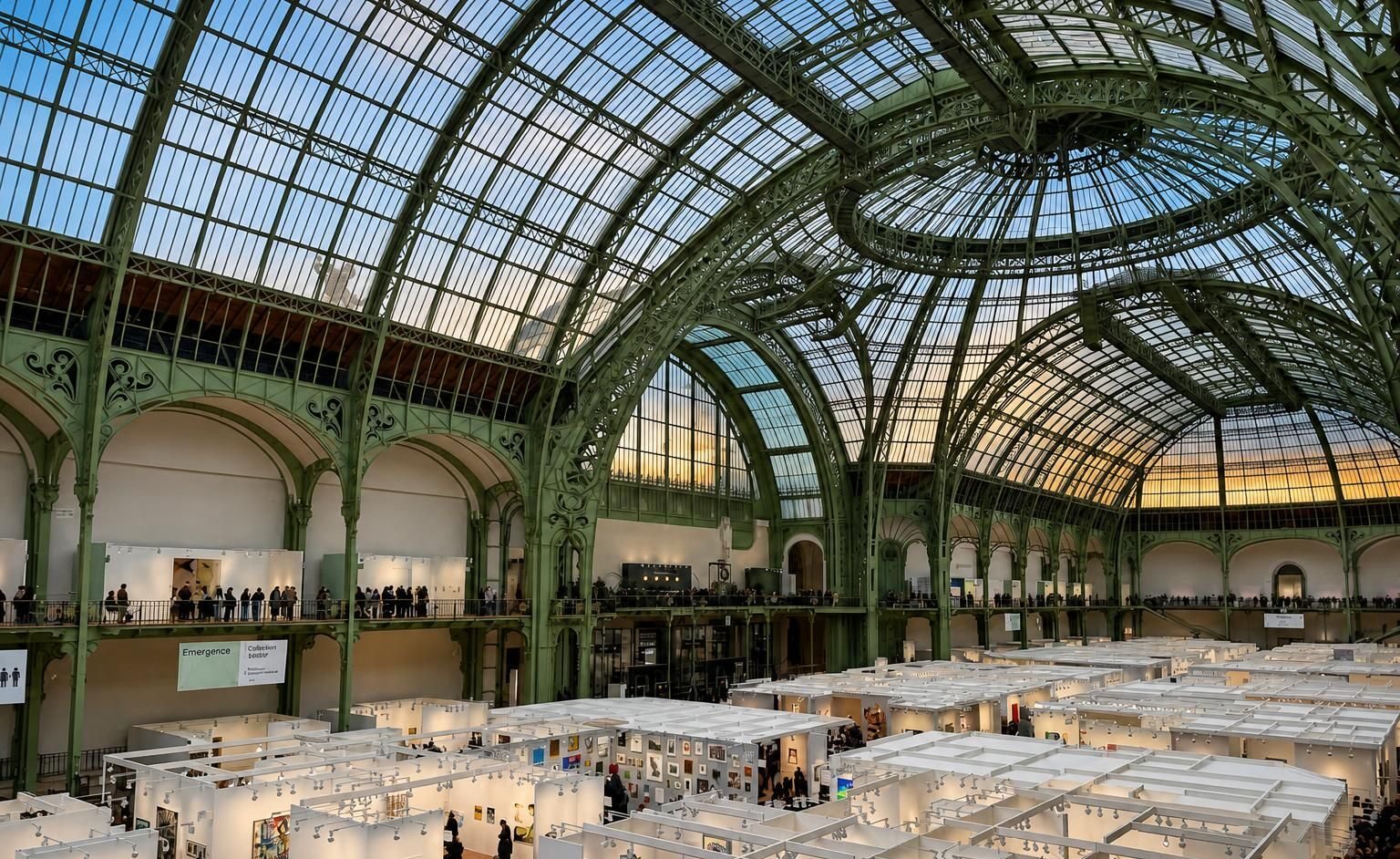
© Repostage magazine
The remark captures one of the central paradoxes of the contemporary art market: collectors may respond to economic and political uncertainty with caution, yet exceptional works can still command intense competition when rarity, quality and provenance converge.
What Paris Art Week tells us about the market
Three themes emerge from the week’s results. First, the market for exceptional works remains highly selective. Established artists such as Monet, Richter and Baselitz attracted the most visible high-value transactions.
Second, contemporary art continues to command substantial prices, as demonstrated by the reported sales of Julie Mehretu and George Condo. The market is not limited to historical masterpieces, but buyers appear particularly attentive to the quality and significance of individual works.
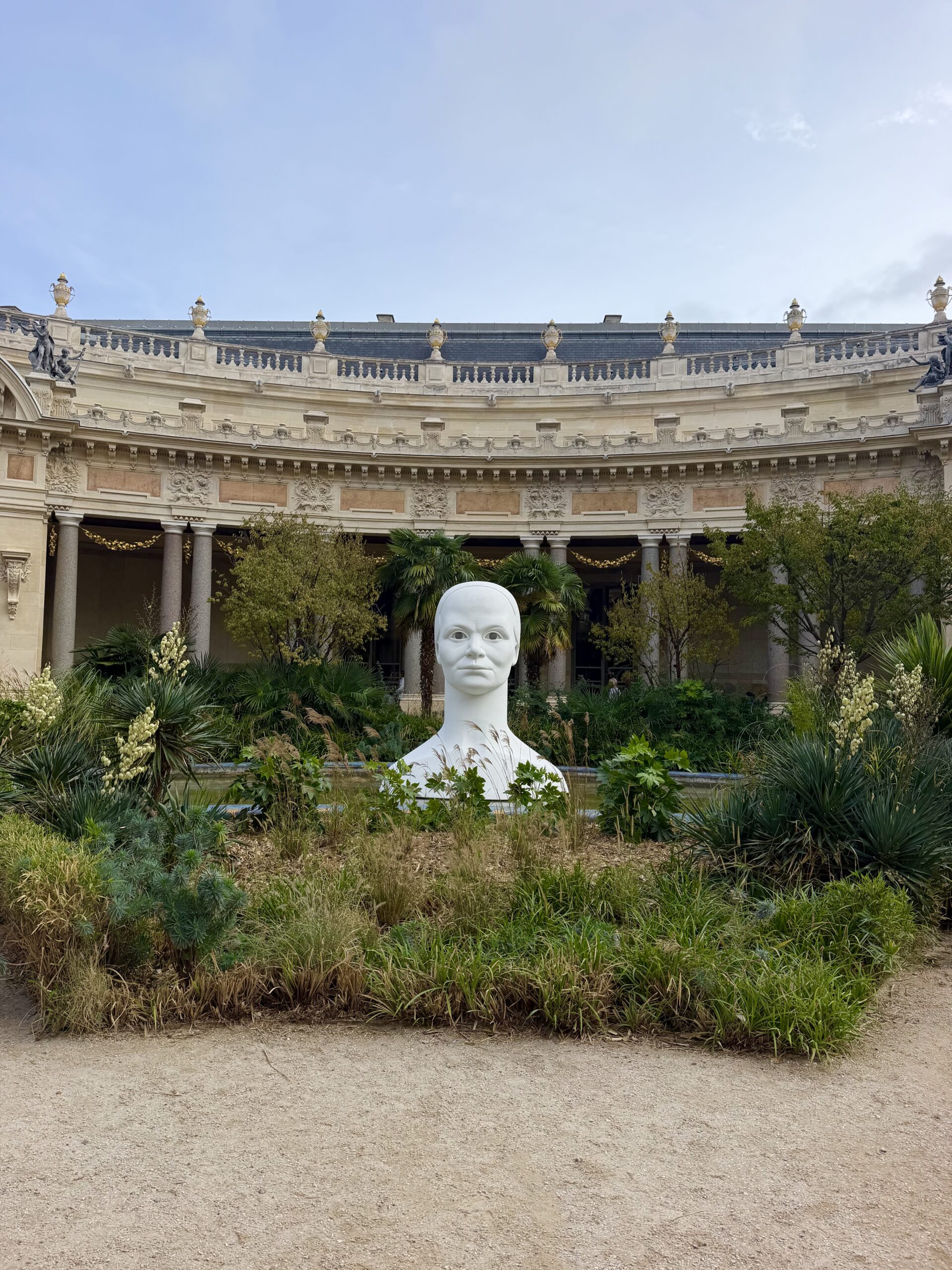
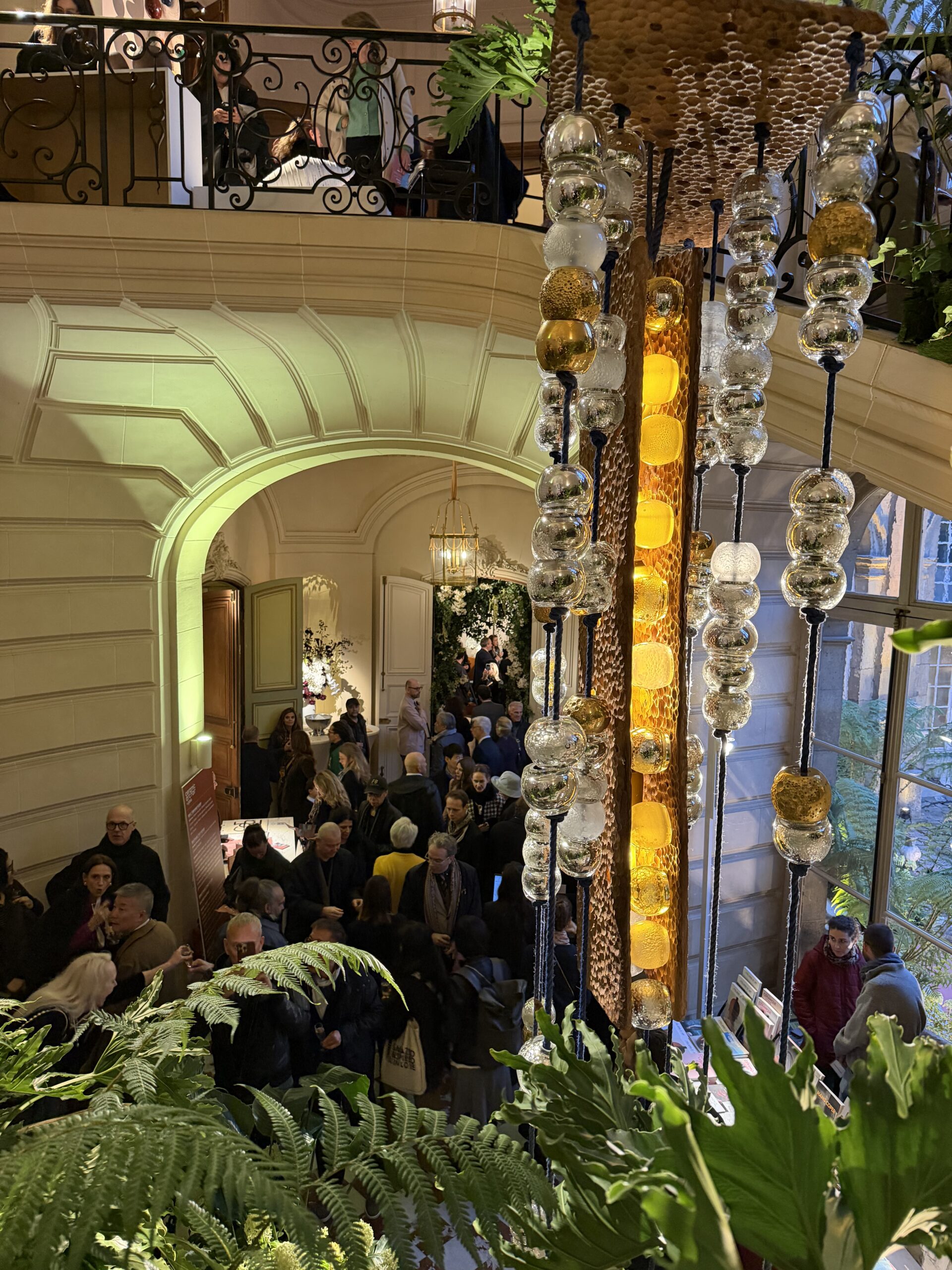
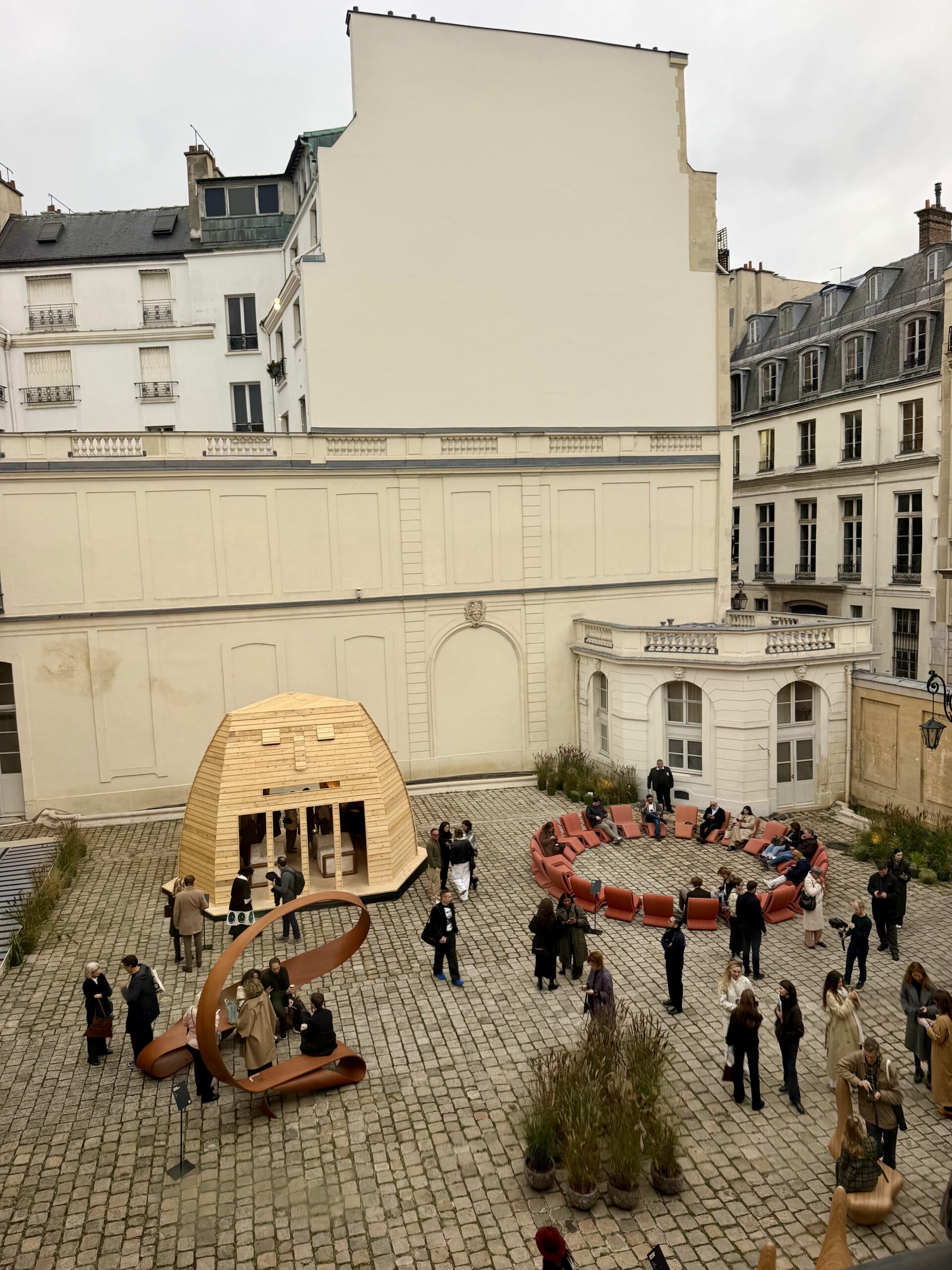
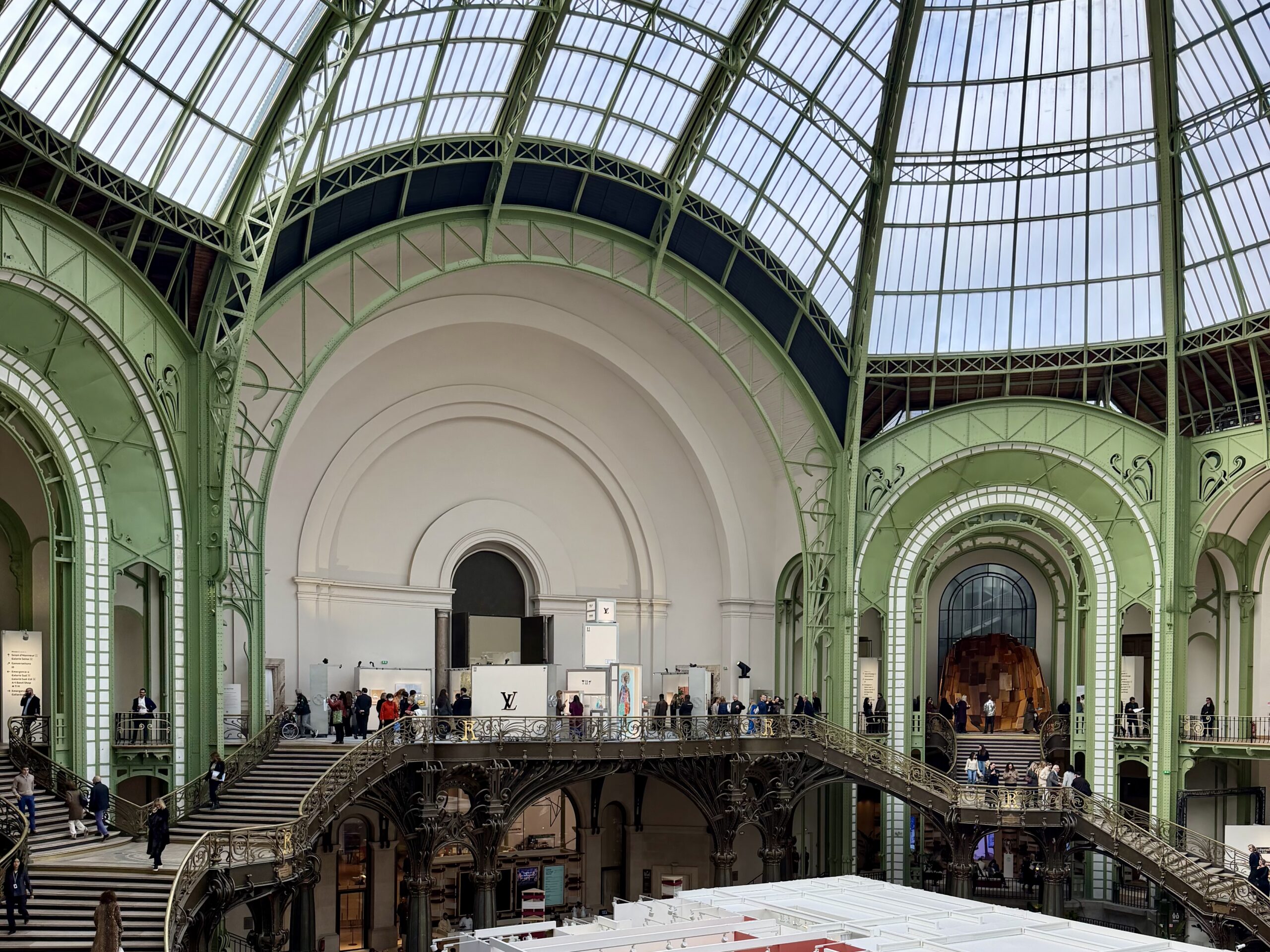
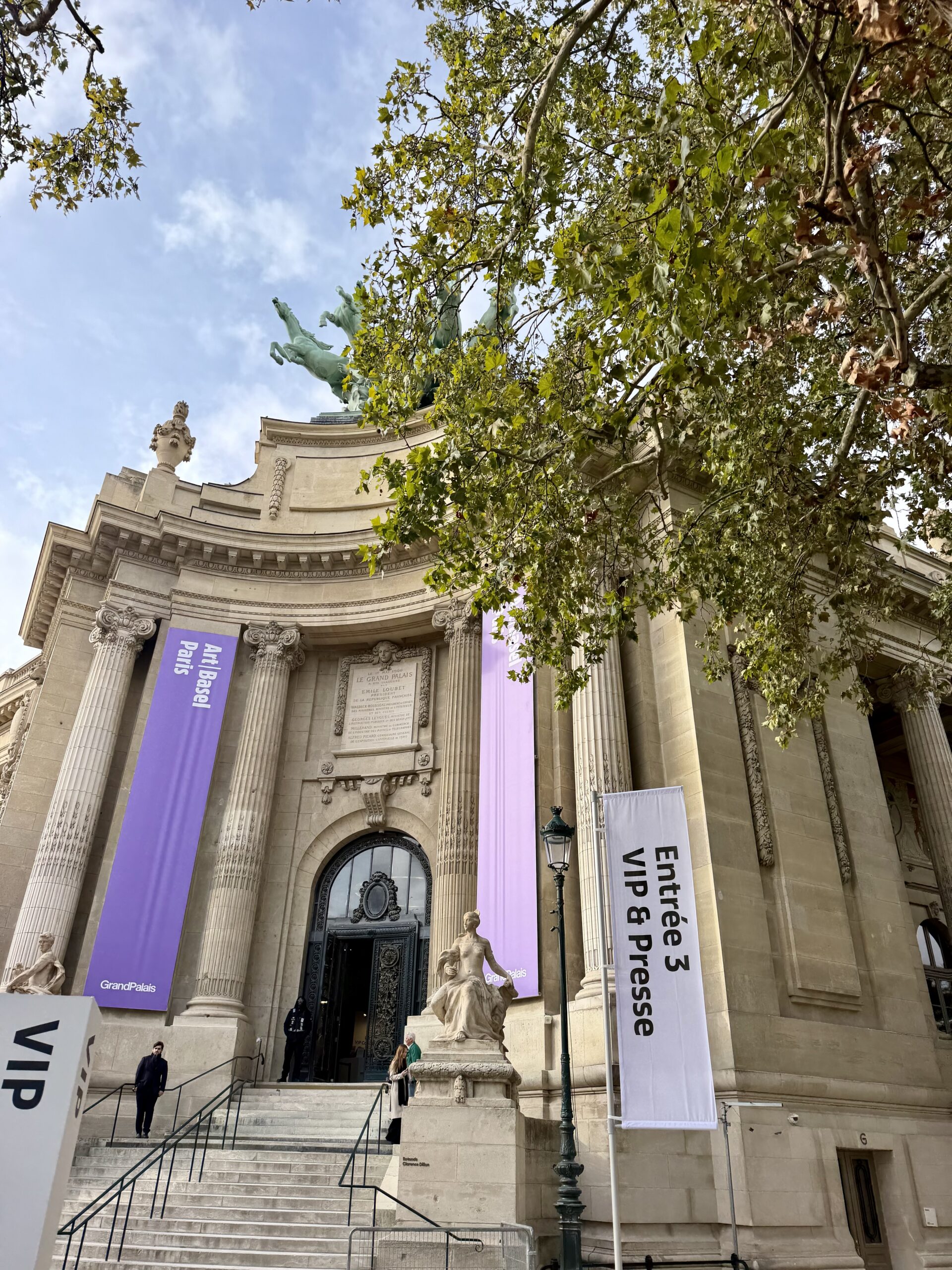
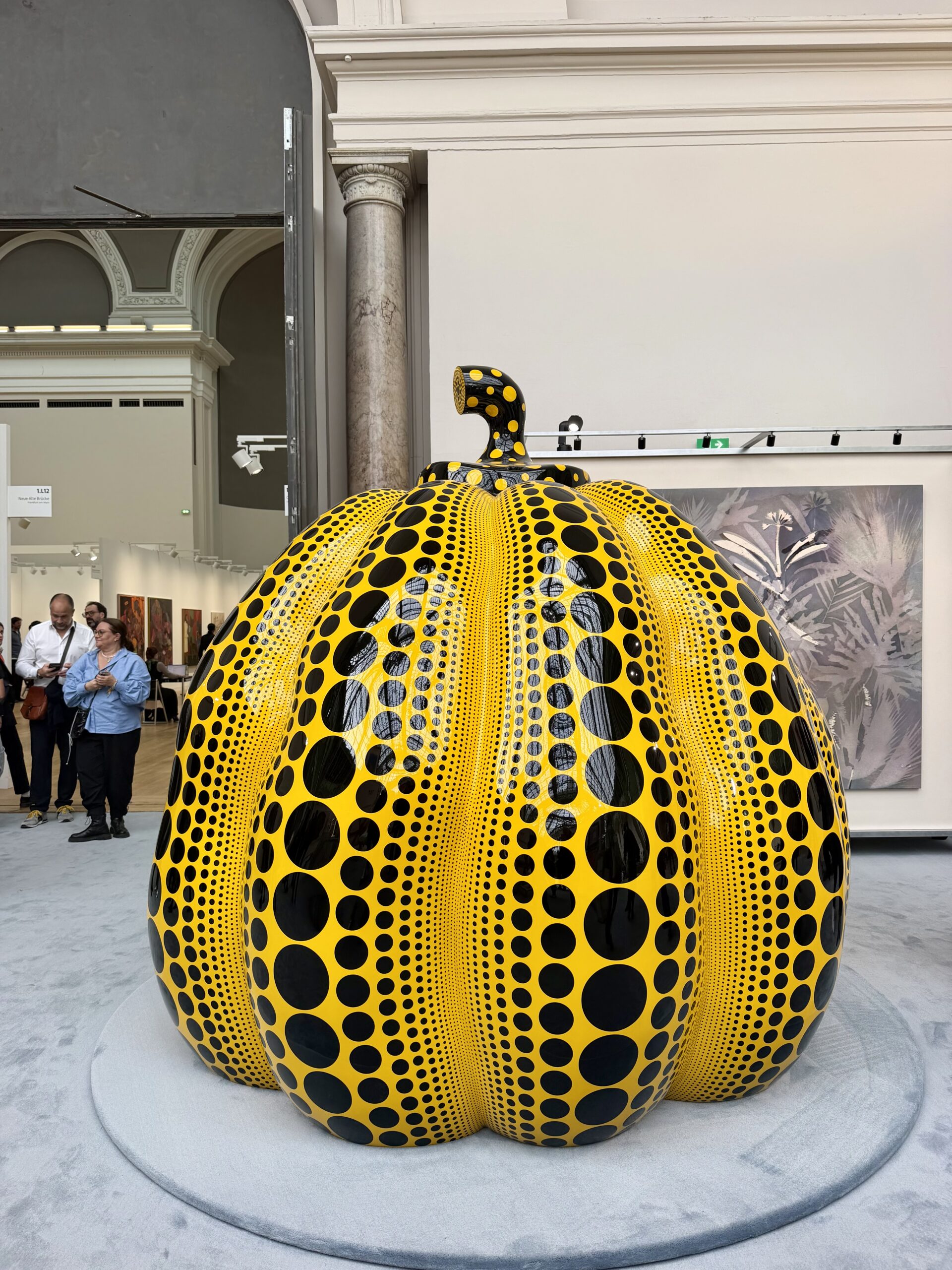
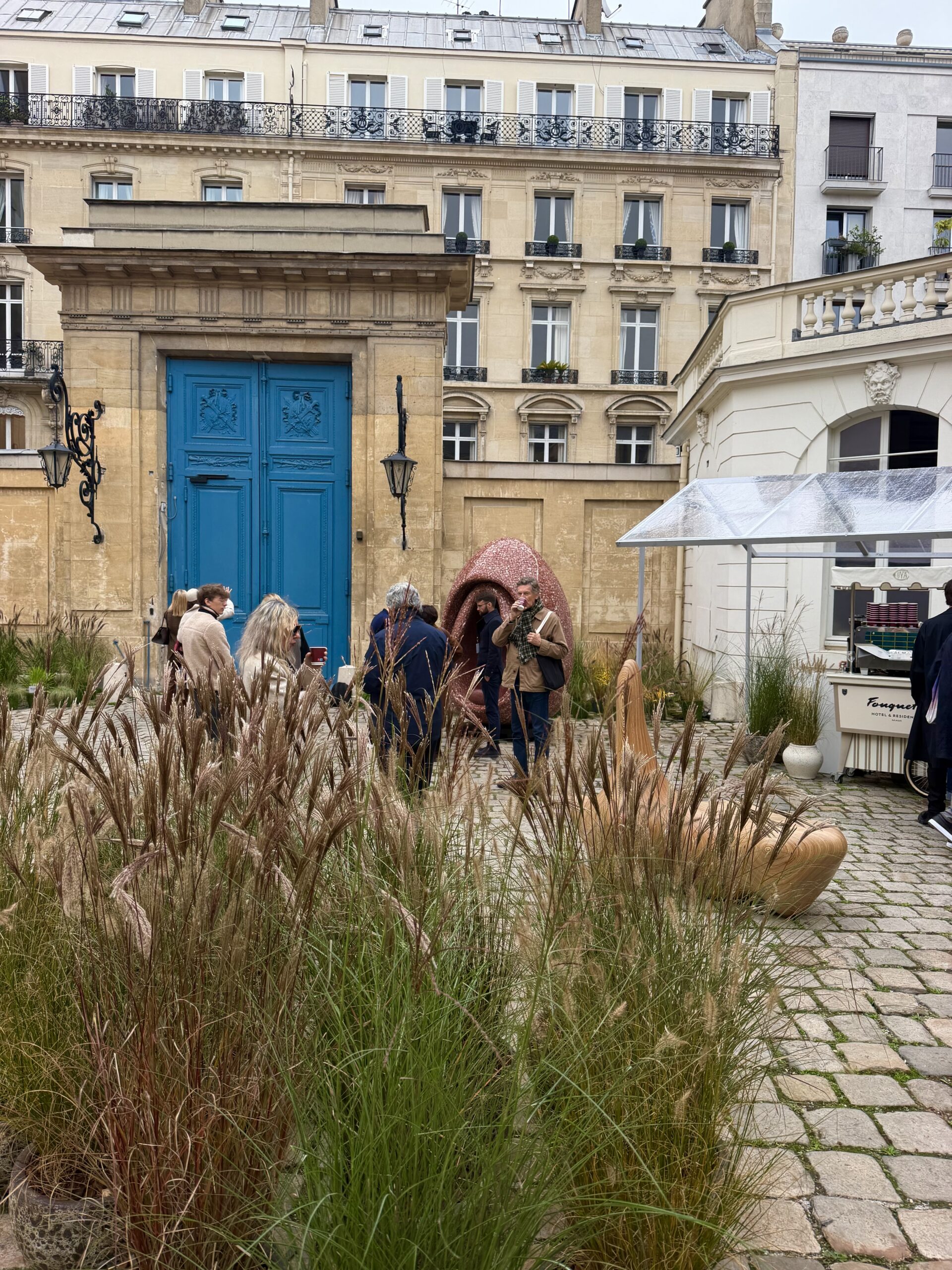
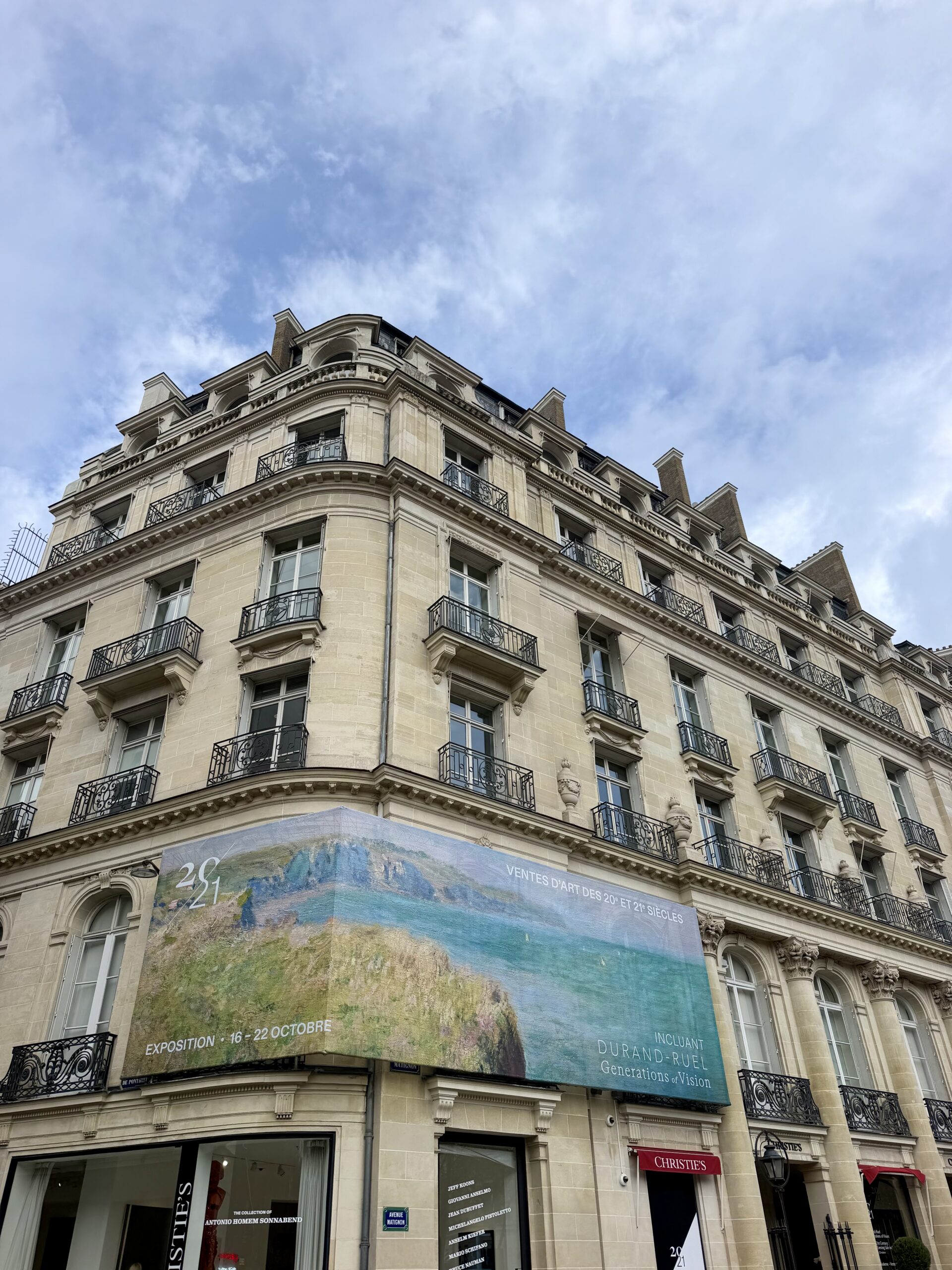
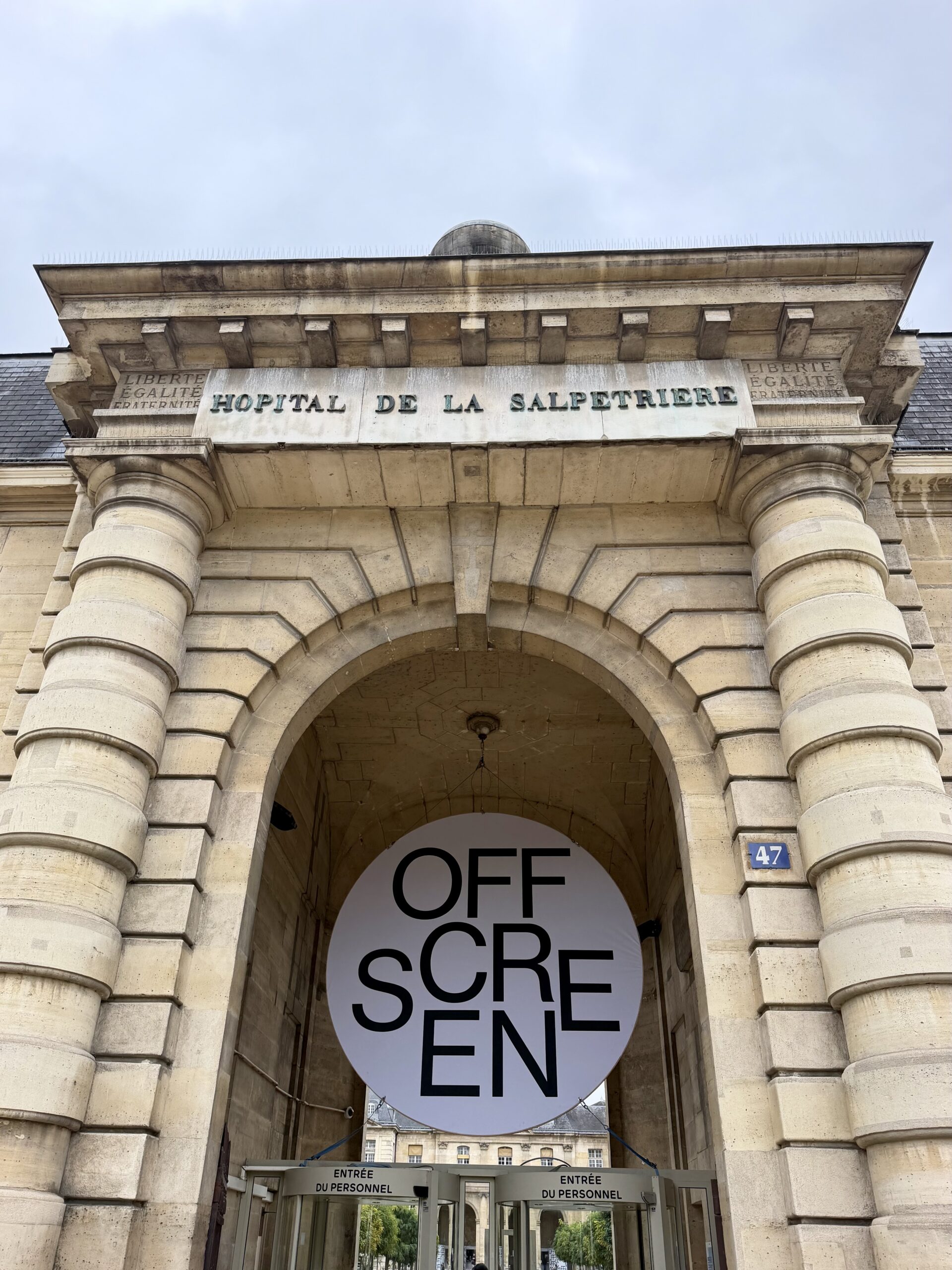
© Repostage magazine
Finally, Paris is strengthening its position as a major international centre for both gallery sales and auctions. The €50 million result for Monet’s Iris placed the city at the centre of the week’s global art-market conversation.
Art Basel Paris 2026 therefore offered a complex picture: strong reported sales at the top end, a record-breaking auction result and an abrupt change to the fair’s schedule. Rather than indicating an indiscriminate boom, the available evidence points to a market in which exceptional works continue to attract exceptional prices.
Text by : Anna-Lise Conde