How the global flower market works — and whether European florists can buy closer to the source
A World That Begins with a Single Flower
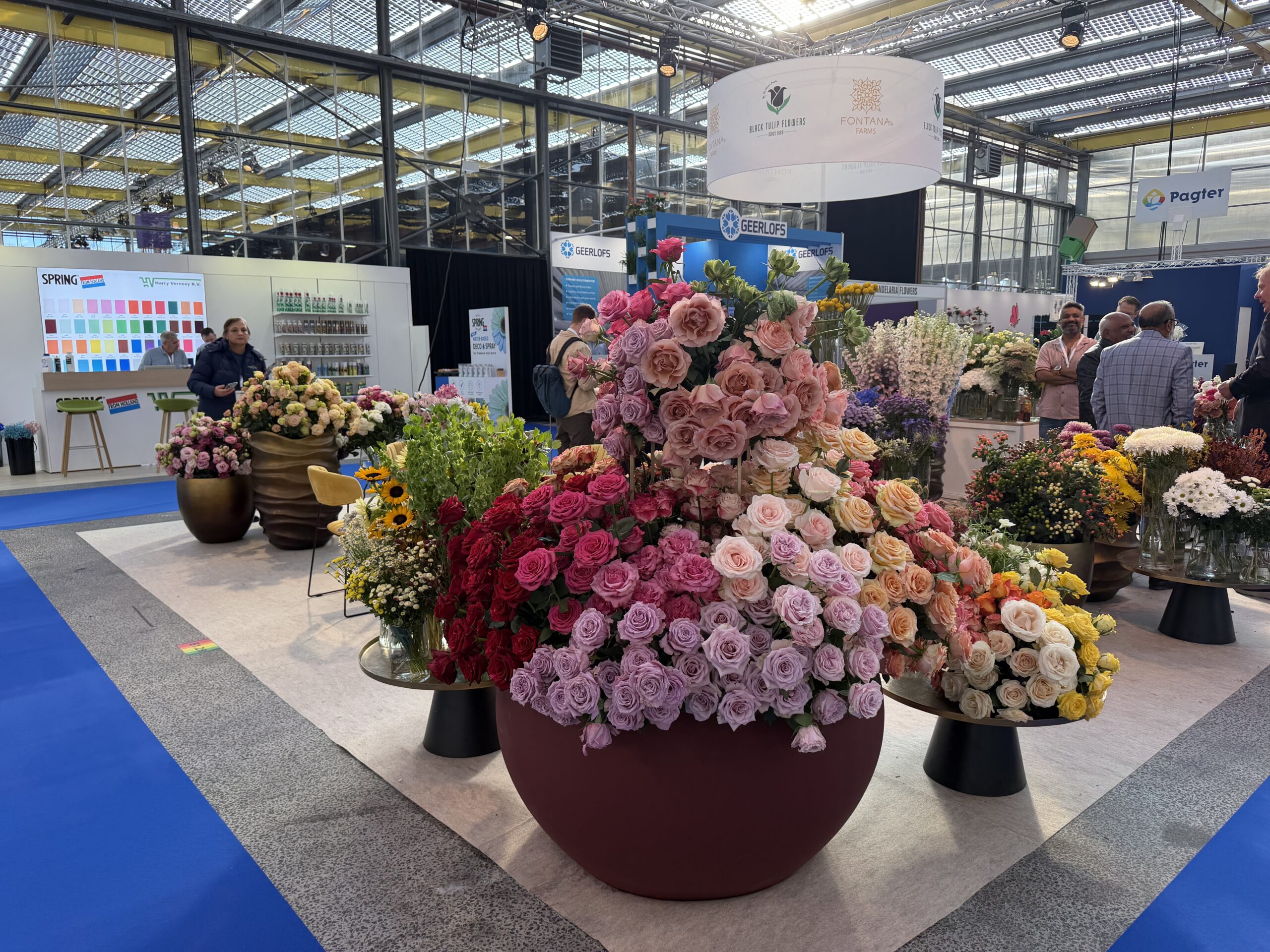
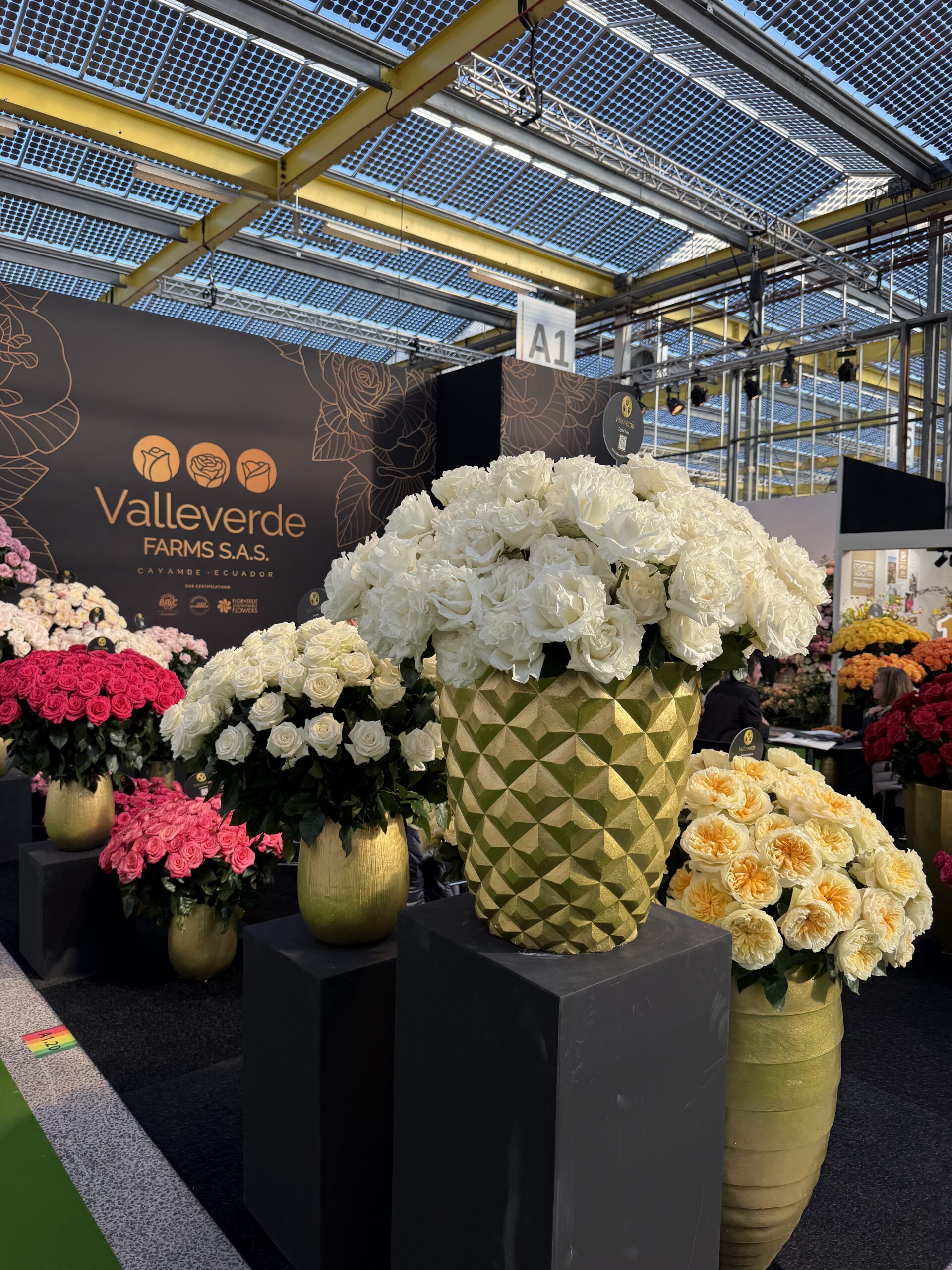
An international flower fair is a vivid meeting place for growers, breeders, exporters, importers and buyers. Rows of roses, colourful alstroemerias and carefully presented varieties reveal only the visible side of a much larger industry. Behind every bouquet is a network of farms, air freight, cold-chain handling, wholesale markets and retail shops.
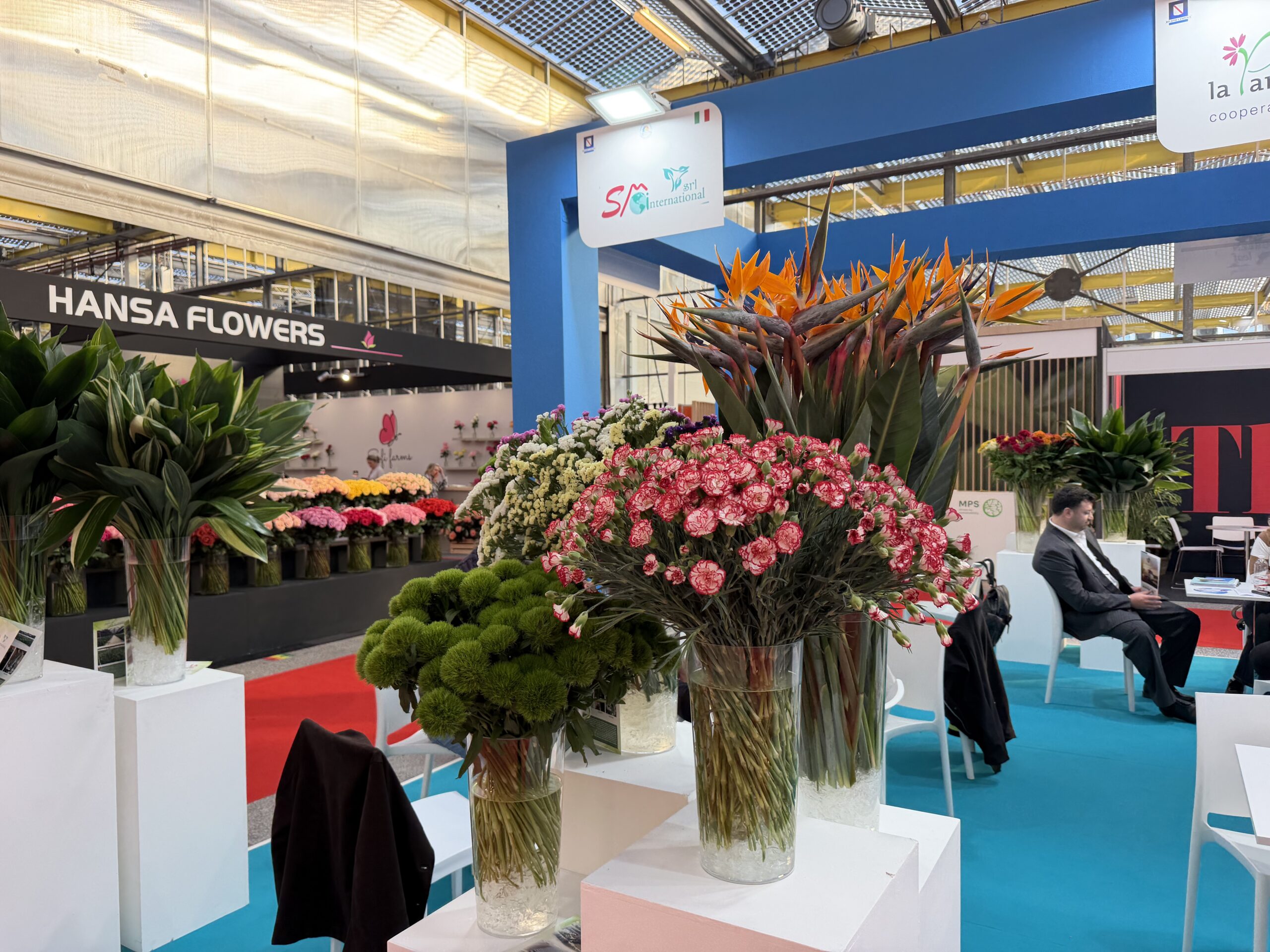
The Netherlands is one of Europe’s key flower-trading hubs. It connects growers from regions such as Latin America and East Africa with professional buyers across the continent. The journey from farm to shop may involve several businesses — but each link has a purpose: moving delicate, perishable products quickly and reliably.
THE ROUTE: Farm → Exporter → Air freight → Importer → Distributor →Florist
The central business question is not simply who sells the flower at the lowest price. It is who can deliver the best-quality stem to the shop at the lowest total cost.
Grower or distributor: who really offers the better deal?
Buying directly from a farm sounds like the obvious way to save money: remove the middleman and keep the margin. In practice, the economics are more complicated. A large Dutch importer may buy millions of stems from multiple growers, negotiate volume-based prices, arrange freight at scale and operate its own receiving and distribution facilities.
A small shop ordering directly may face minimum quantities, higher freight costs per stem, customs and documentation work, and the challenge of combining different varieties into one shipment. Once these costs are included, the direct purchase can be more expensive than buying from an established importer.
This is the power of economies of scale: a well-organised intermediary can sometimes offer a small retailer a better delivered price than the retailer could obtain independently from the grower.
Three purchasing models
| Local wholesaler Best for small, frequent orders and flexibility. The shop can buy modest quantities without managing international transport. | European importer Often the practical sweet spot for independent florists: access to multiple growers and consolidated shipments without importing alone. |
| Direct grower contract Potentially attractive for large, predictable volumes — provided freight, handling, customs and minimum quantities make commercial sense. | What to compare Always compare the delivered cost per saleable stem, including transport, handling, losses and payment terms — not just the farm-gate price. |
Peak seasons reward early planning
Flower demand is highly seasonal. Valentine’s Day, International Women’s Day, Mother’s Day, Easter and Christmas can all create sharp increases in demand for particular varieties. Shops that wait until the last moment may face limited availability, higher prices or fewer choices of stem length and colour.
Planning guide: begin discussions around 2–3 months before Valentine’s Day and Christmas; around two months before 8 March; and roughly 6–8 weeks before Mother’s Day. These are planning guidelines, not fixed industry deadlines: confirm reservation and shipping cut-offs with each supplier.
An opportunity for independent florists
A small shop does not necessarily need to become an importer to benefit from the global flower trade. A reliable European partner that buys directly from farms, combines products from different growers and delivers regularly can provide a strong balance of price, variety and convenience.
Regular weekly orders may also create room to negotiate stable prices or seasonal agreements. As volumes grow, direct contracts with selected farms can become worth exploring. The right model depends on turnover, storage capacity, delivery frequency and the shop’s ability to sell what it buys before freshness declines.
Behind the beauty lies a global business
The fair offers more than a look at new varieties and floristry trends. It reveals a sophisticated international network of growers, breeders, exporters, airlines, importers, logistics centres and retailers. The success of a flower shop depends not only on choosing beautiful flowers, but also on understanding where they come from, how they reach the market and what they truly cost.
The flower market is where beauty meets global business — and where commercial opportunity begins with understanding the entire journey, from the farm to the customer.
Text by Timur Gizatullin
Photo credits Timur Gizatullin