It is impossible to speak of Aston Martin without thinking of the world’s most famous secret agent. For decades, James Bond and the British marque have shared the same aura of elegance, power and mystery.
Yet the Aston Martin legend began long before the silver screen. The story starts in 1913 with Lionel Martin, a passionate driver who competed in hill climbs at Aston Hill in Buckinghamshire. From this came the name Aston Martin — a fusion of place and founder.
From the outset, the brand stood out for its engineering quality and performance, laying the foundations of an icon. After the Second World War, the company faced financial difficulties until it was acquired in 1947 by David Brown, whose initials would define the legendary DB series.
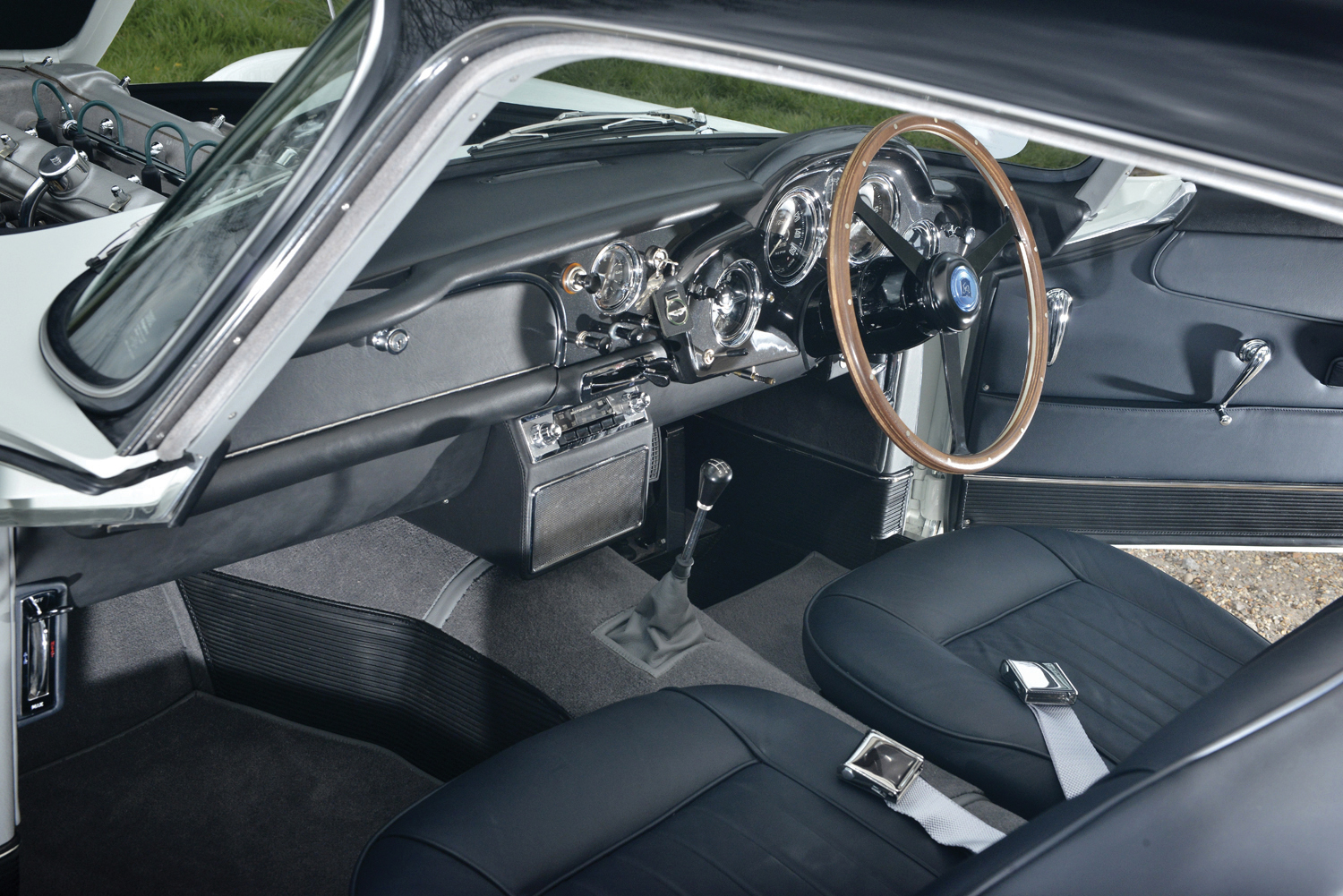
Craftsmanship in every detail
The DB4: A Defining Moment
The true turning point came in 1958 with the DB4. Elegant and perfectly proportioned, it redefined Aston Martin’s design language and established its vision of grand touring.
Its body, designed by Carrozzeria Touring Milano using the Superleggera method, combines lightness with sophistication. Under the bonnet, a 3.7-litre straight-six engine by Tadek Marek produces 240 horsepower, paired with a four-speed manual gearbox.
At launch, the DB4 was among the fastest and most refined grand tourers in the world. Its engineering reflected Aston Martin’s ambition: to unite performance with elegance. Its balanced chassis, independent front suspension and four-wheel disc brakes ensured remarkable road behaviour.
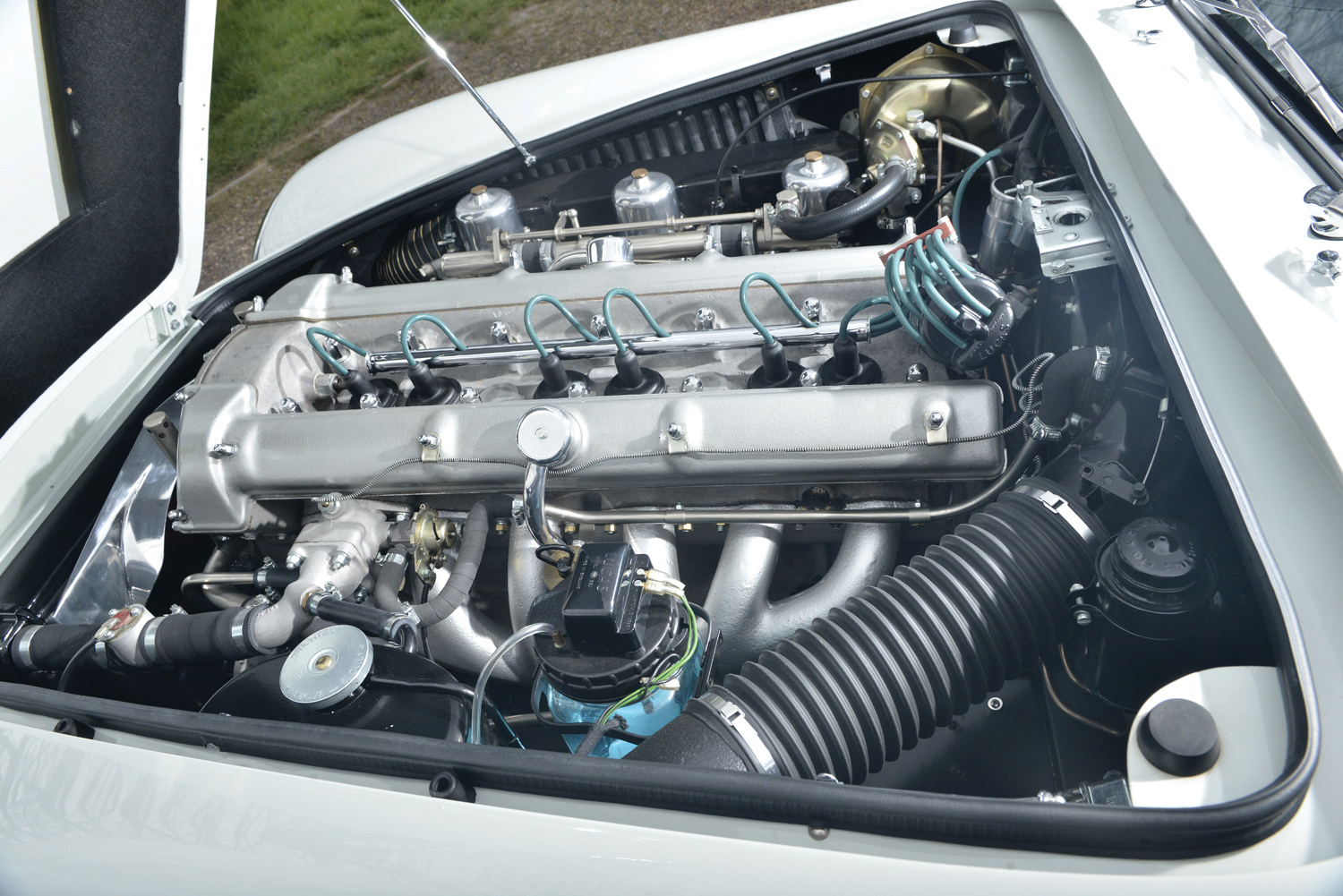
Engineering elegance beneath the surface
The Evolution of the Series and the Car Presented
Over five series, the DB4 evolved while preserving its identity. In 1961, the Special Series introduced a more powerful engine with higher compression and triple SU carburettors. This evolution became known as the Vantage — a name still used today.
The final DB4 Series 5 Vantage models offered greater space and refinement. With only around fifty examples produced, the Vantage SS remains one of the rarest Aston Martins.
The example presented here, chassis 1148/R, left Newport Pagnell in February 1963. Delivered to Wolverhampton, it features a rare two-tone finish in platinum and black, with a dark blue leather interior.
After time in London and more than forty years within one family, the car was rediscovered in 2013. Restored over four years to its original specification, it now stands as an exceptional example.
Invited to the Concours of Elegance at Hampton Court in 2021, it embodies the excellence of Aston Martin’s golden era.
More than a brand, Aston Martin represents a philosophy — a balance of performance, elegance and emotion.
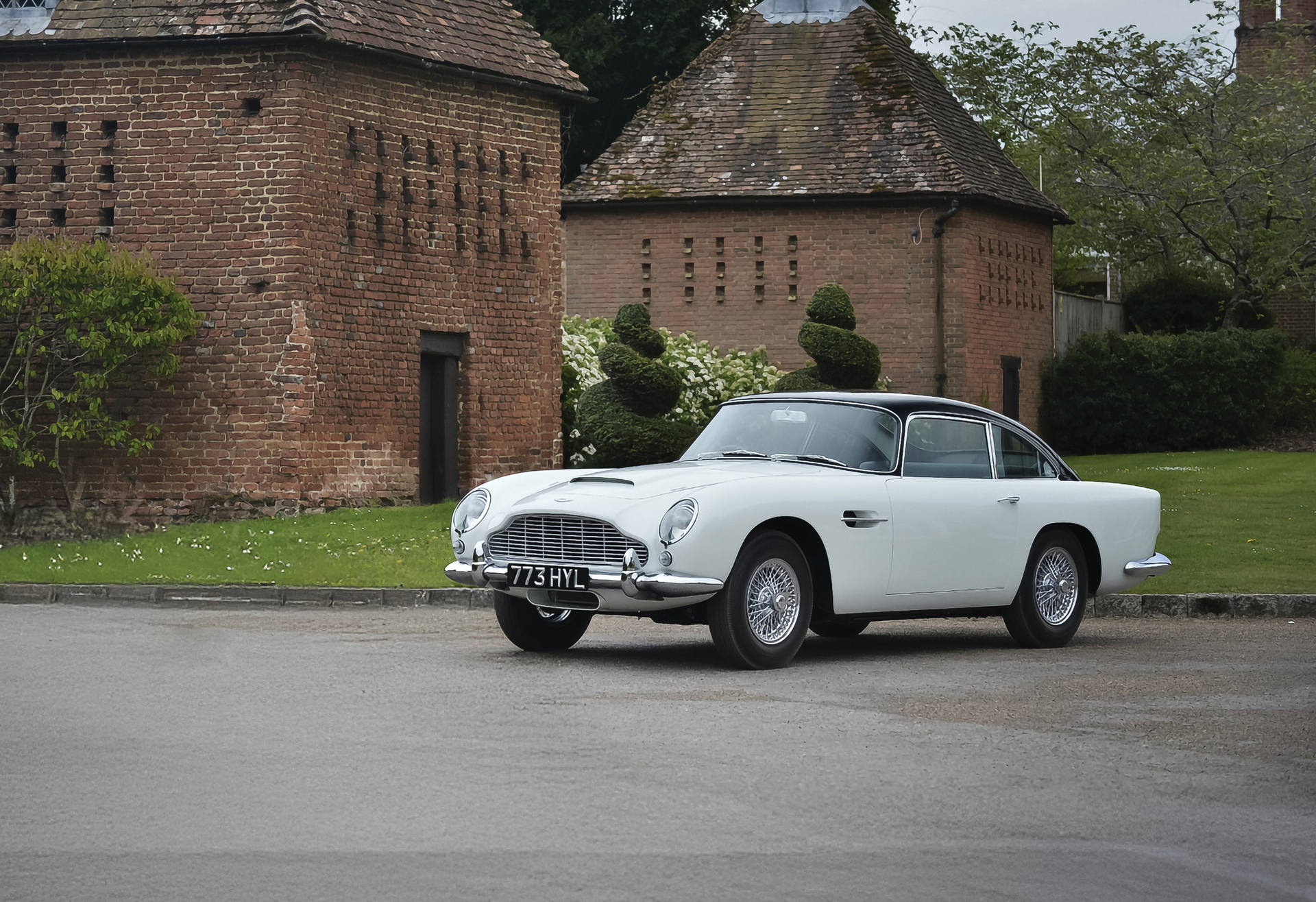
Where automotive design meets architectural heritage