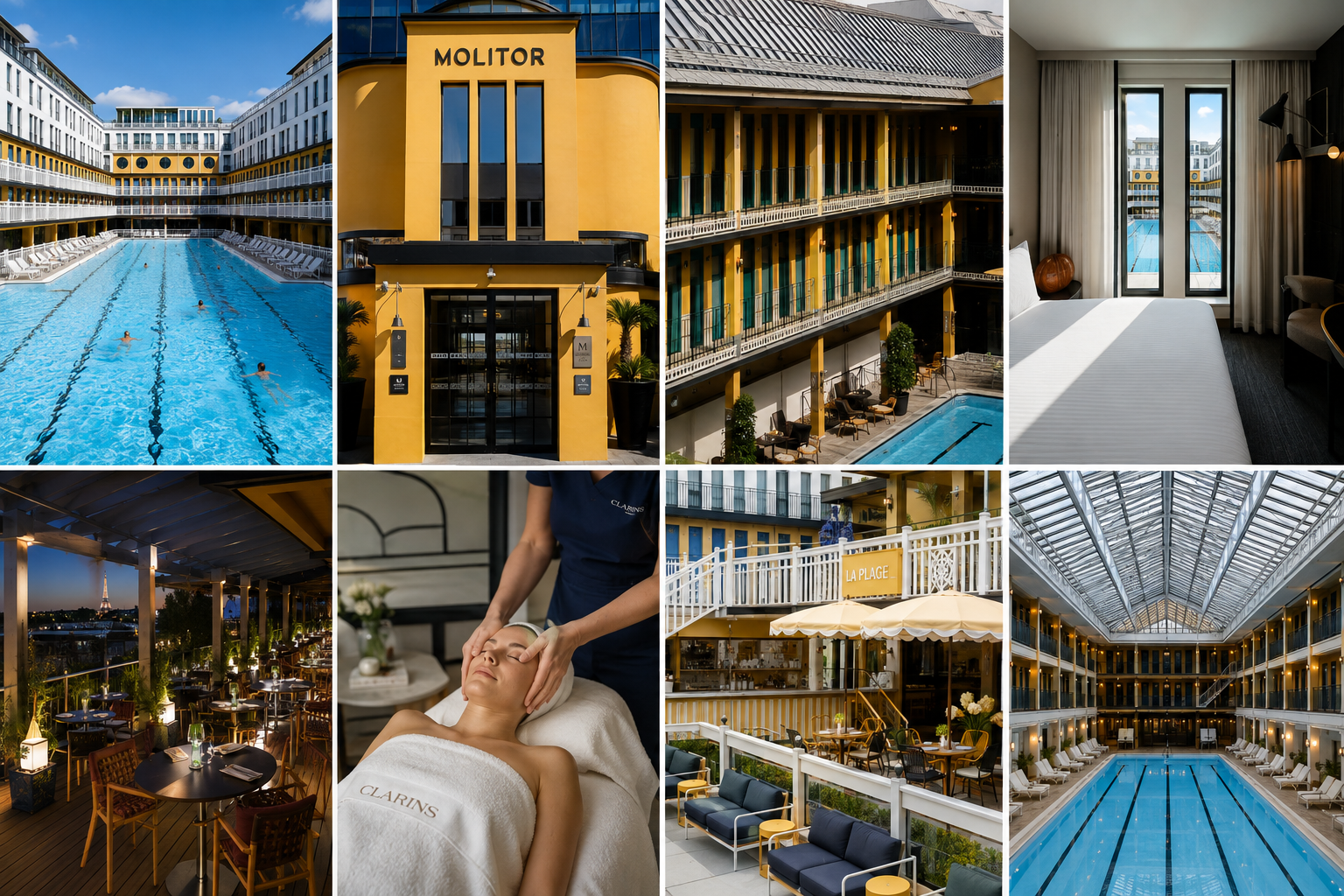
In Victoria’s projects, transforming an existing building is not simply about renovation, but about reinterpretation. Historic façades, contemporary materials and modern technologies come together to create spaces where memory and modernity coexist with elegance.
This approach reflects a key direction in contemporary architecture: giving heritage a new life.
Future architecture does not seek to erase the past. Instead, it creates a balance between heritage and innovation, where each era finds its place.
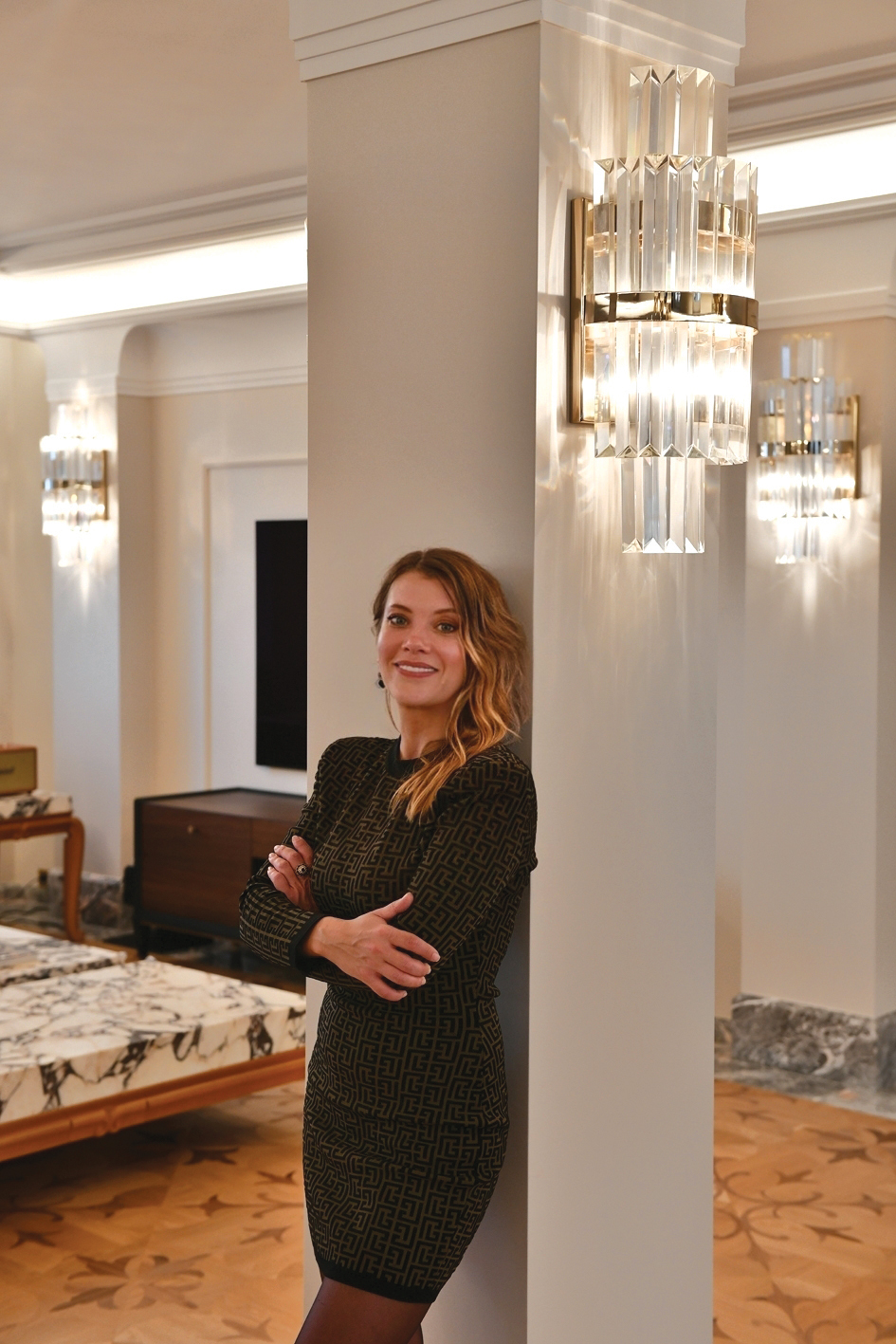
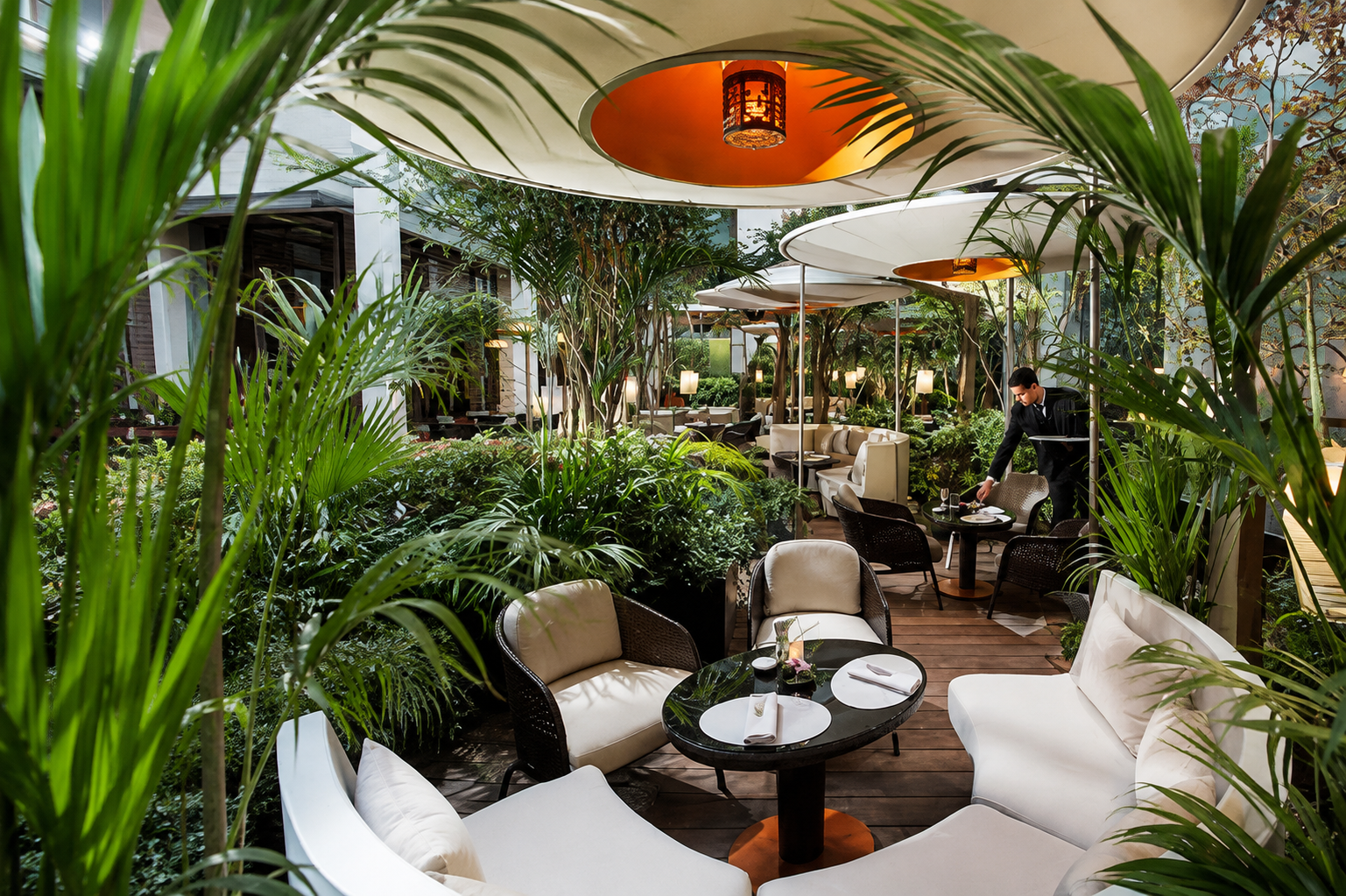
Contemporary elegance rooted in classical design
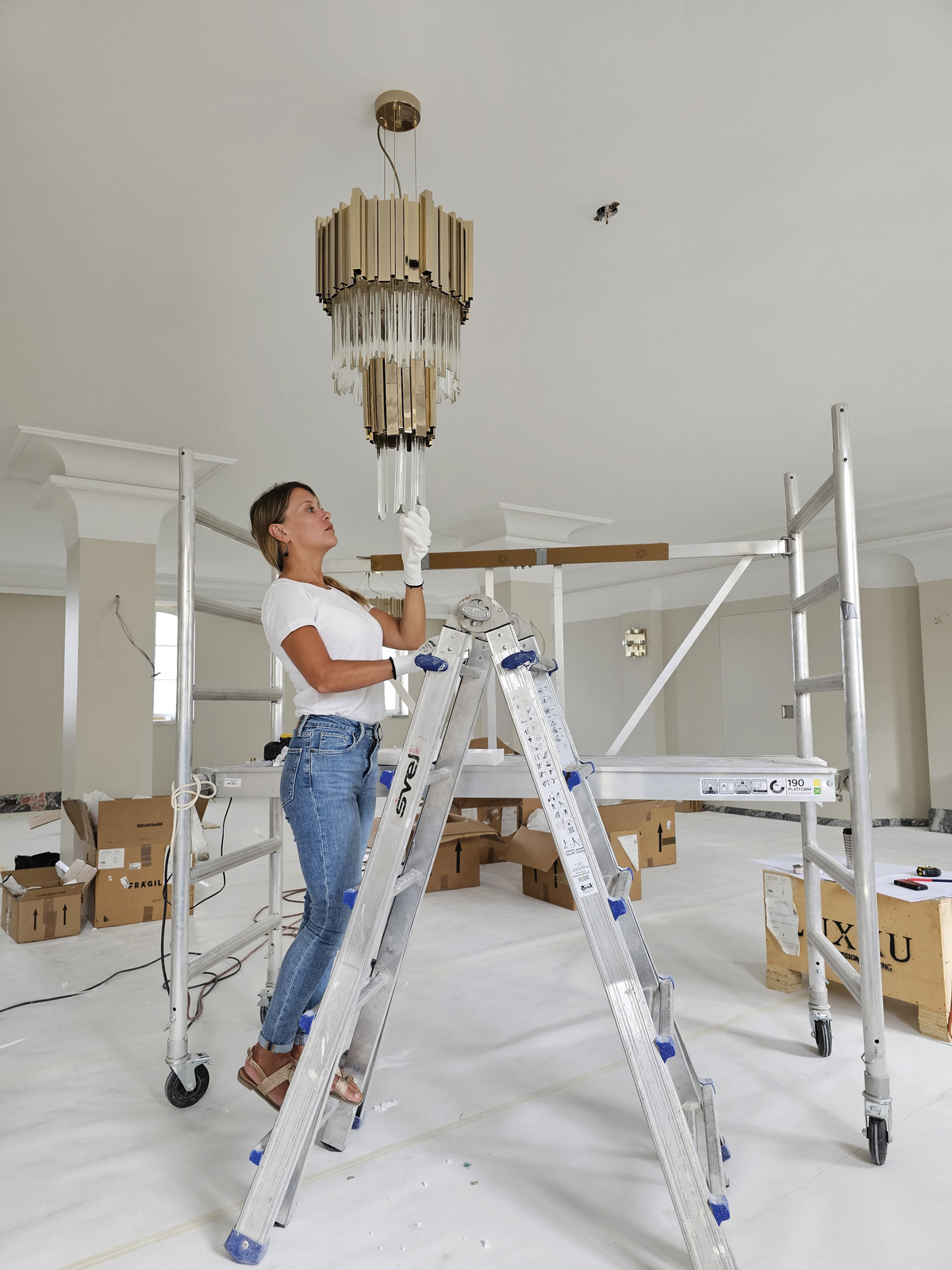
Craftsmanship behind contemporary interiors
Dialogue Between Old and New
Within this dialogue, new interventions should neither imitate historic styles nor oppose them. They must establish their own architectural language, based on contrast or harmony between old and new.
Glass, metal and modern materials can therefore interact with stone and decorative elements, revealing both historical value and contemporary technical possibilities.
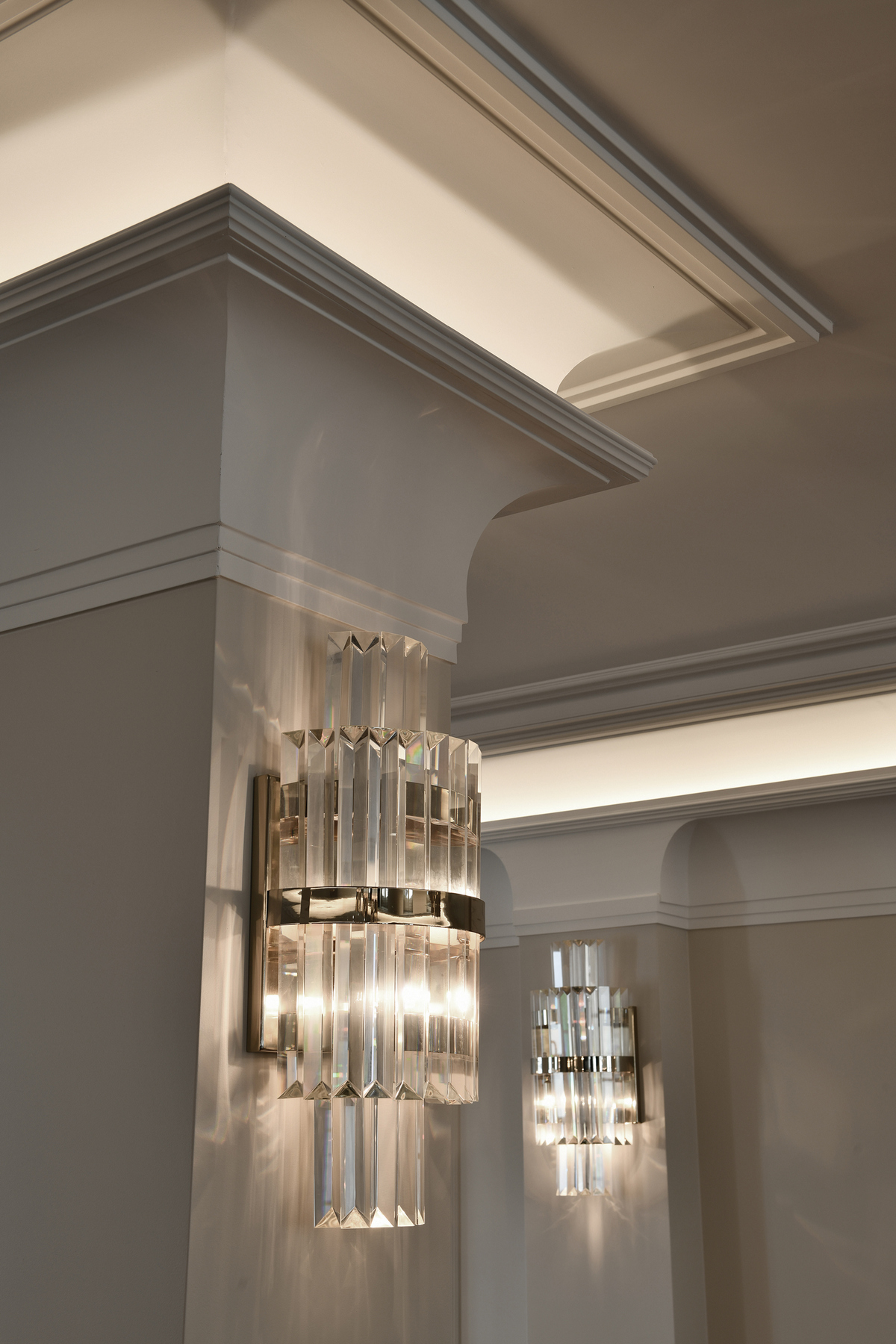
Heritage expressed through detail
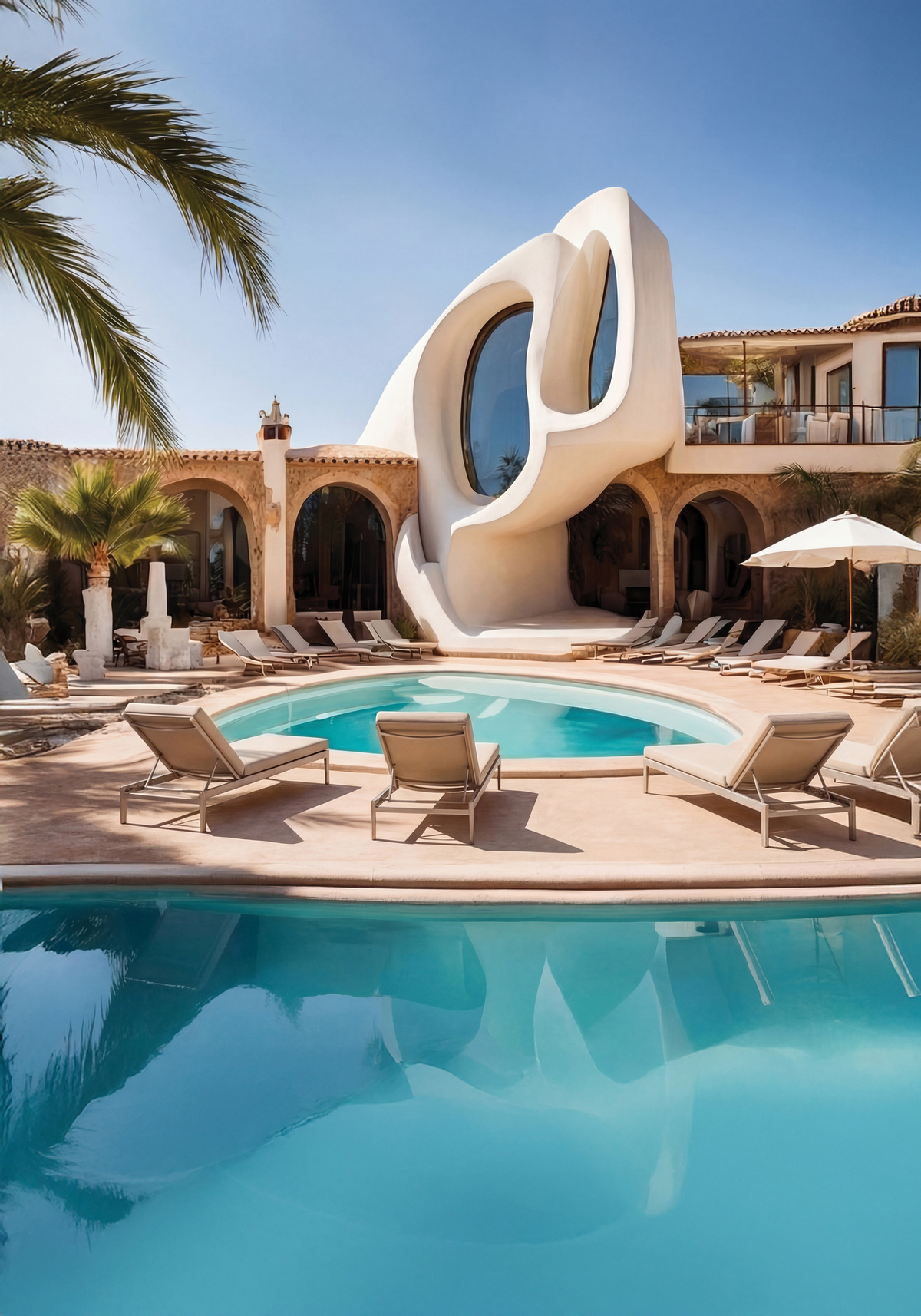
Fluid forms redefining modern living
Adaptive Reuse
Adaptive reuse has become a fundamental principle. Rather than demolishing, architects rethink uses: factories become cultural centres, warehouses turn into housing, historic residences become museums or libraries.
This approach preserves the structure of buildings while giving them new life.
Preserving heritage is also an investment in the future. Cities that value their history become more attractive, more sustainable and culturally richer.
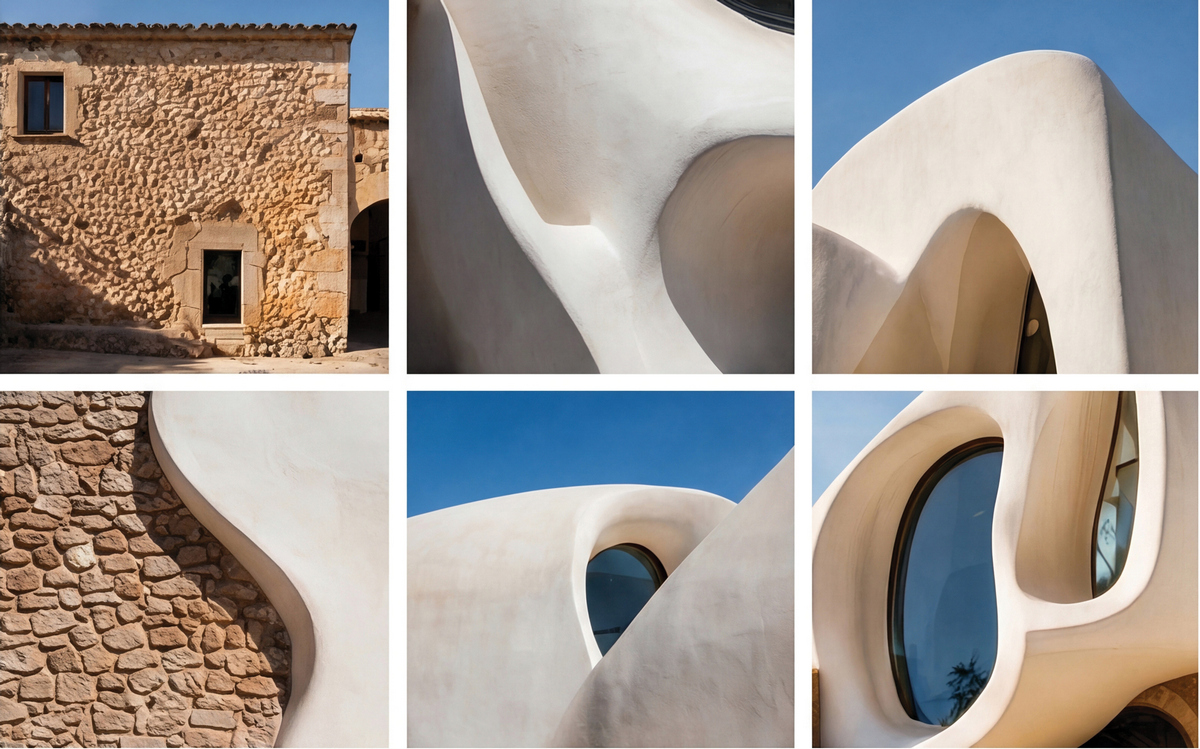
A visual dialogue between tradition and contemporary architectural language