A fine watch does more than tell the time: it tells a story — of craftsmanship, of an era, sometimes of an illustrious wrist. That is the whole point of collectible watchmaking — a miniature art where mechanics meet emotion. An overview of collectible watches, vintage timepieces and the movements that make enthusiasts’ hearts beat faster.
What Is a Collectible Watch?
Not every fine watch is a collector’s piece. The value of a sought-after timepiece rests on a balance of criteria:
- Rarity: limited series, short production runs, discontinued models.
- Provenance: a watch that belonged to a notable figure, or comes with its documented history, gains a special aura.
- Condition and authenticity: original dial, unreplaced parts, a matching movement.
- The “full set”: the presence of the box, papers and certificate of origin can make all the difference.
The Charm of Vintage Watches
A vintage watch — generally more than thirty years old — appeals through what the new cannot offer: character. The patina of a dial, the “tropical” tone that decades of sunlight have turned brown, the slightly creamy indexes of a period luminova: so many signatures of time that collectors seek out. Choosing an older watch means accepting a degree of deliberate imperfection, often more moving than a flawless piece.
At the Heart of the Timepiece: the Movement
True horological luxury hides beneath the dial. The movement — the mechanism that brings the watch to life — is what separates the fashion object from the exceptional timepiece.
- The manual-winding mechanical movement: the purest, to be wound each day — the essence of tradition.
- The automatic movement: wound by the movements of the wrist, thanks to an oscillating weight.
- Complications: beyond the time, a complication watch can display a chronograph, a perpetual calendar, a moon phase, or even a tourbillon — the pinnacle of haute horlogerie.
It is in the finishing of these mechanisms — hand-bevelled bridges, Côtes de Genève, jewels — that true watchmaking art can be read.
The References That Make Collectors Dream
Some watches have become icons, regularly fought over in the auction room:
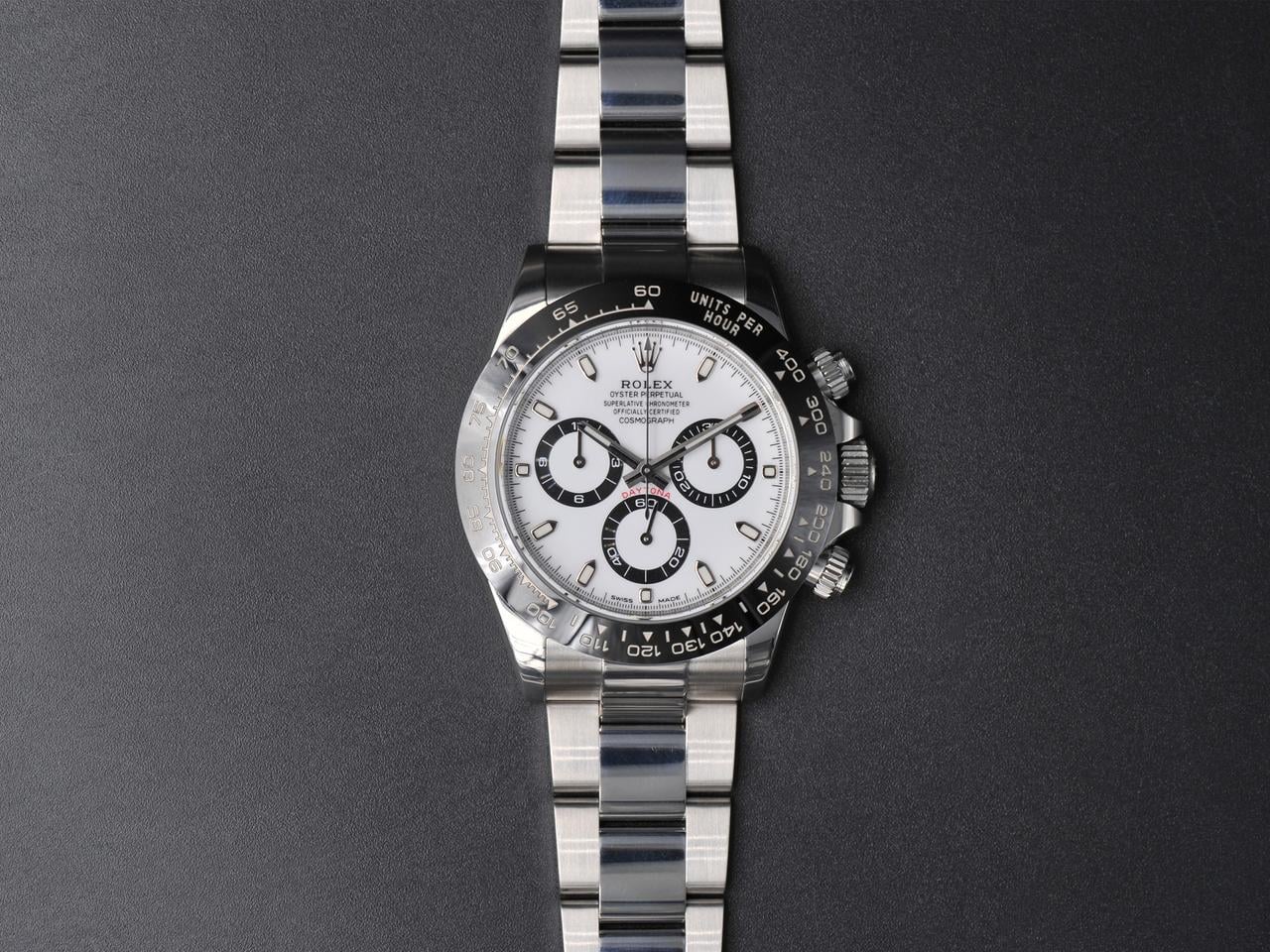
Rolex Daytona and Submariner — The most collected chronographs and dive watches in the world; certain vintage versions reach dizzying heights.
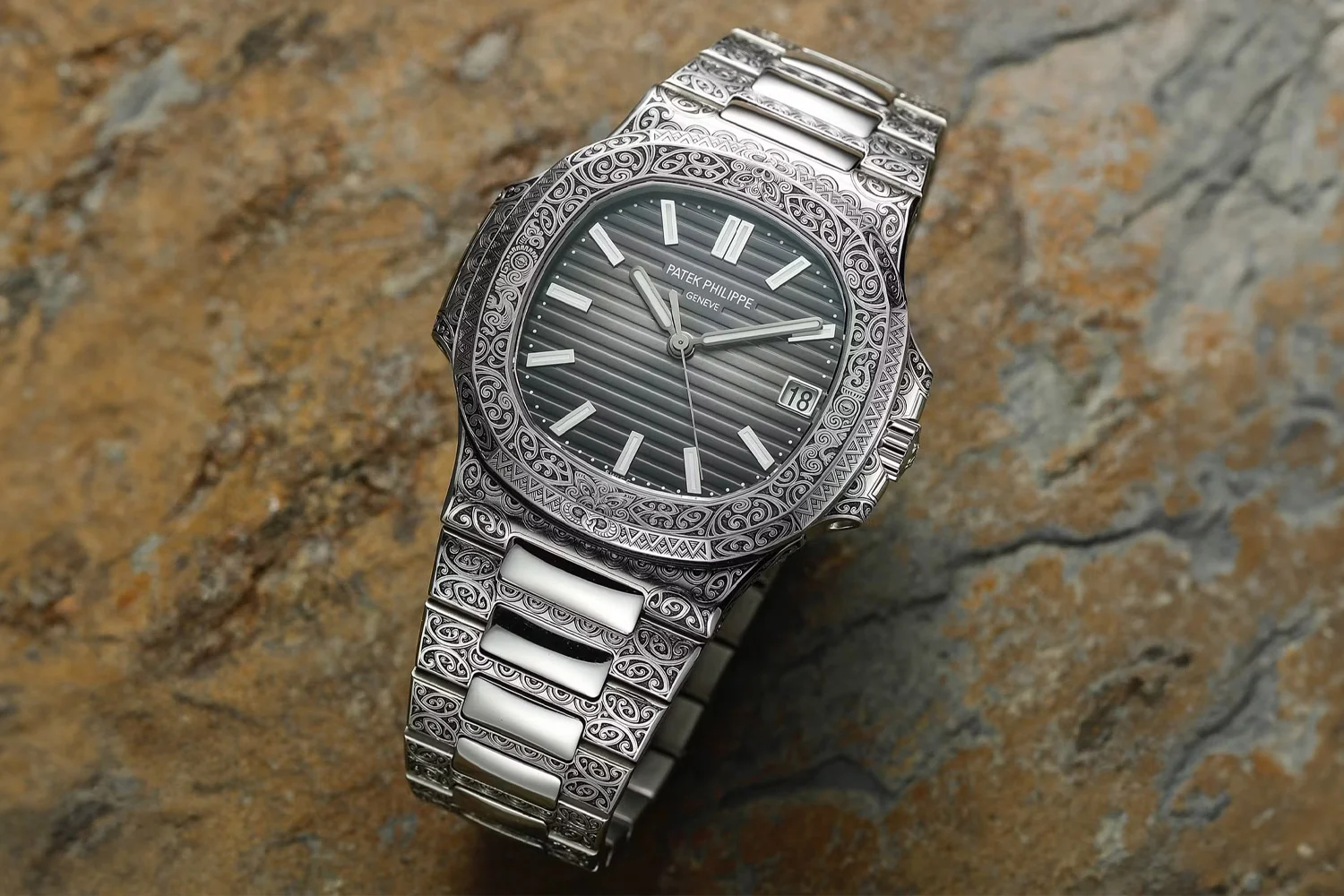
Patek Philippe Nautilus and Calatrava — Absolute elegance, between sports-chic and timeless classicism.
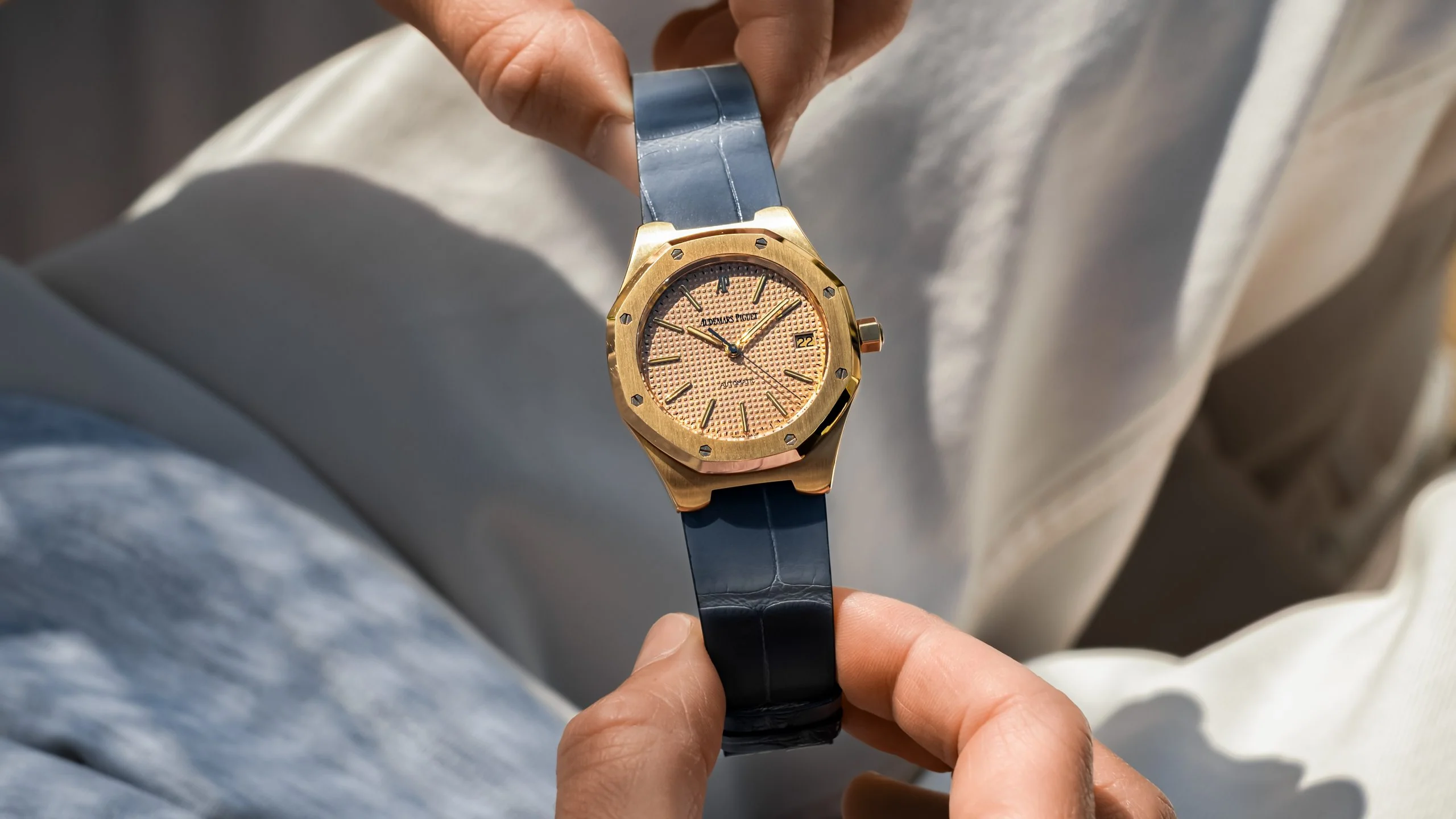
Audemars Piguet Royal Oak — The watch that invented sporty luxury in steel, designed by Gérald Genta.
Omega Speedmaster — The “Moonwatch,” worn on the Apollo missions, a living legend of watchmaking.
Cartier Tank and Santos — The art of the jewellery-watch, as desirable for men as for women.
Jaeger-LeCoultre Reverso — Its swivelling Art Deco case, born in the 1930s, remains inimitable.
Investing in a Watch: What You Need to Know
Investing in a watch has become a reflex for some enthusiasts, but caution is essential. A piece’s value depends on its rarity, its condition, the house and market trends — fluctuating by nature. A few common-sense principles:
- Buy out of passion first: a watch you love to wear never disappoints.
- Demand authenticity: favour reputable dealers and auction houses (Phillips, Christie’s, Sotheby’s) and verify papers and provenance.
- The “full set” and original condition protect value.
- Beware of excessive restoration, which can instead cause value to fall.
This is editorial insight, not investment advice.
Our Tips for Starting a Collection
- Define a focus: a house, an era, a type of watch (chronographs, dive, dress watches).
- Train your eye before buying: fairs, auctions, specialist forums.
- Start with a safe, well-documented piece rather than a risky rarity.
- Maintain your watches: a mechanical movement serviced regularly will pass through generations.
FAQ — Collectible and Vintage Watches
What is a vintage watch? The term “vintage watch” is generally used for a piece more than thirty years old, sought after for its character, its patina and its period authenticity.
Which watches gain in value? The rare and emblematic models from great houses — Rolex Daytona, Patek Philippe Nautilus, Audemars Piguet Royal Oak — are among the most sought-after, provided they are in good condition and complete.
What is the difference between a manual and an automatic movement? A manual movement is wound by hand each day; an automatic winds itself through the movements of the wrist via an oscillating weight.
How do you start a watch collection? Choose a focus, train your eye, favour authenticity, and start with a safe, well-documented piece before aiming for rarities.