Time to Break the Mold
Trends and Tensions of the FW 2026/27 Season
By Alexander Beridze
“If Milan was building, Paris was breaking.”
The Autumn/Winter 2026/27 season will not be remembered for trend lists or colour palettes. It will be remembered for the nervous charge that moved through the show spaces in Milan and Paris, for the shock in the eyes of buyers leaving Dior, and for the near-religious silence that settled over the Hermès ateliers on the night before Véronique Nichanian’s final show. This January, menswear ceased to be merely about clothing. It became a battleground on which the identity of the man of tomorrow is being contested.
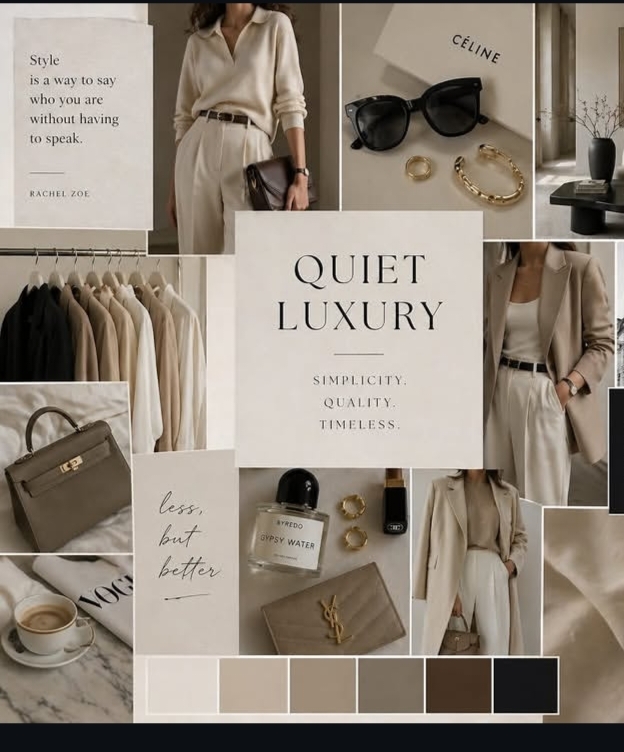
If 2025 was defined by quiet luxury, 2026 signals the arrival of what many are already calling a new radicalism. Yet this radicalism is not singular. In Milan, it took the form of a retreat into structure and architecture, with exaggerated shoulders that initially read as caricature but revealed, on closer inspection, a surprising softness, as though constructed from air. At Prada, where Miuccia Prada and Raf Simons once again staged a public reflection on fragile masculinity, the defining gesture was not form itself but its undoing. Ultra-fine knits clung to the body like a second skin, cocoon coats invited withdrawal, and the now-iconic shoulder line no longer functioned as armour but as a question. Is the contemporary man prepared to carry the weight of a world that no longer offers him clear structures?
According to industry whispers, Simons initially pushed the concept even further. Early sketches reportedly incorporated direct references to feminine lingerie within the male wardrobe. Prada, with its instinctive understanding of aesthetic limits, is said to have anchored the collection back into an intellectual black. The direction, however, remains unmistakable. A return to structure, but one under visible internal pressure, as if the seams themselves were under strain. This is not simply a play on proportion. It reflects a broader condition in which men seek stability yet find it increasingly absent from traditional symbols of authority.
Paris, as ever, amplified the tension. If Milan built, Paris dismantled. The moment that divided the industry came with Jonathan Anderson’s debut at Dior Homme. His appointment, replacing the commercially successful Kim Jones, initially appeared to be a calculated move by LVMH to inject unpredictability into the house. The outcome, however, went further than expected. Anderson introduced an aesthetic of deliberate discomfort into a brand historically defined by clarity and elegance. Silhouettes were disrupted, edges left raw on otherwise luxurious fabrics, and accessories felt closer to gallery objects than to functional design.
Buyers from Asia and the United States left the show visibly unsettled. The question was no longer whether the pieces were interesting, but whether they could be sold at all. In private conversations, leading retailers remarked that the collection no longer felt like an evolution of Loewe, but almost a distortion of it, leaving their clientele disoriented within this new language of anti-glamour.
The most persistent rumour of the season, however, did not concern design, but control. It is widely said that Bernard Arnault attended a closed rehearsal and personally requested the removal of three of the most radical looks, transparent plastic capes layered over evening tailoring. According to those present, the concern was not aesthetic but financial, that Dior should not unsettle investors to the point of eroding confidence. Whether true or not, the alleged intervention only intensified the narrative. The absence of those looks became the story, raising expectations for what may emerge once those constraints loosen.
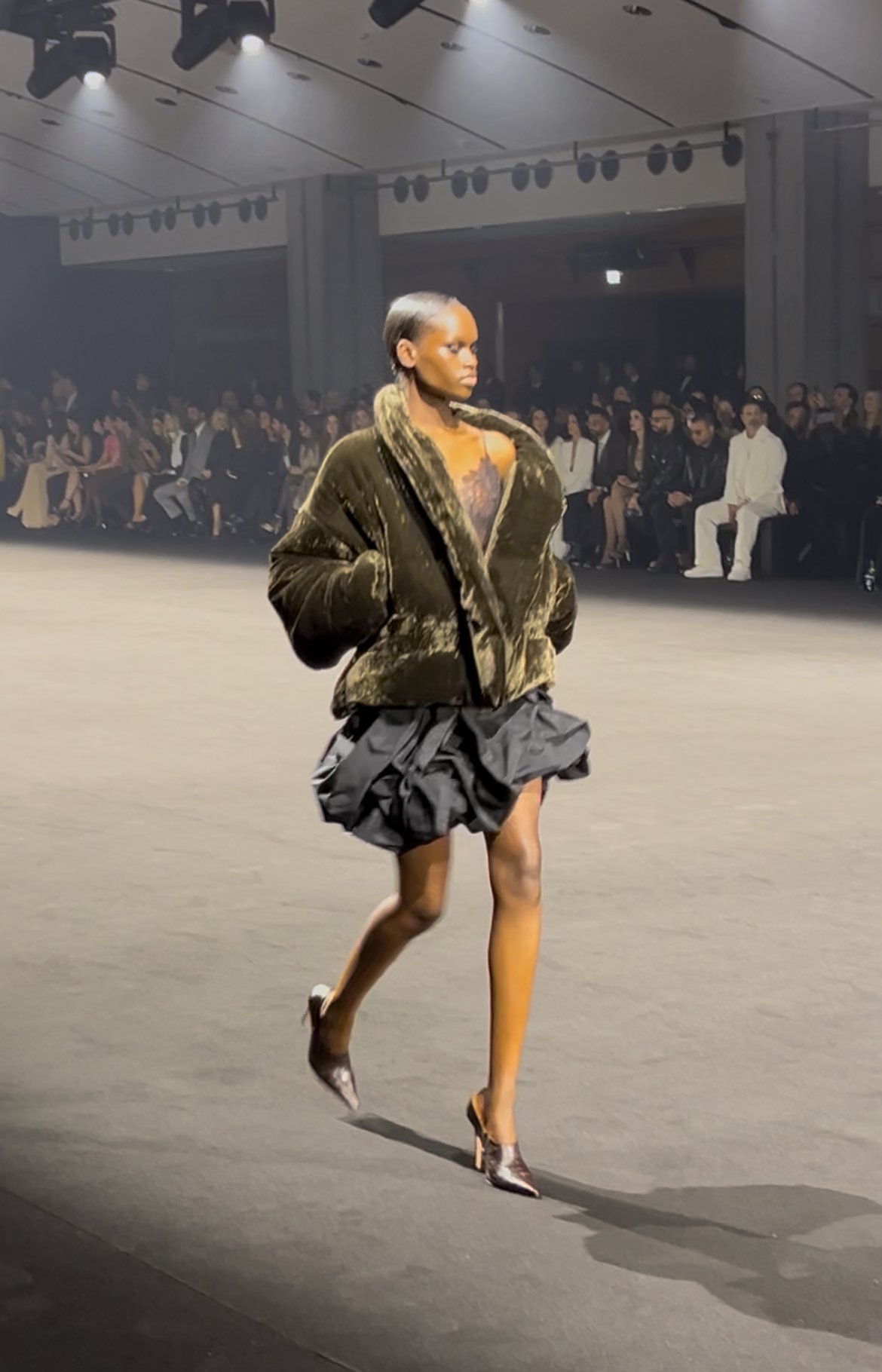
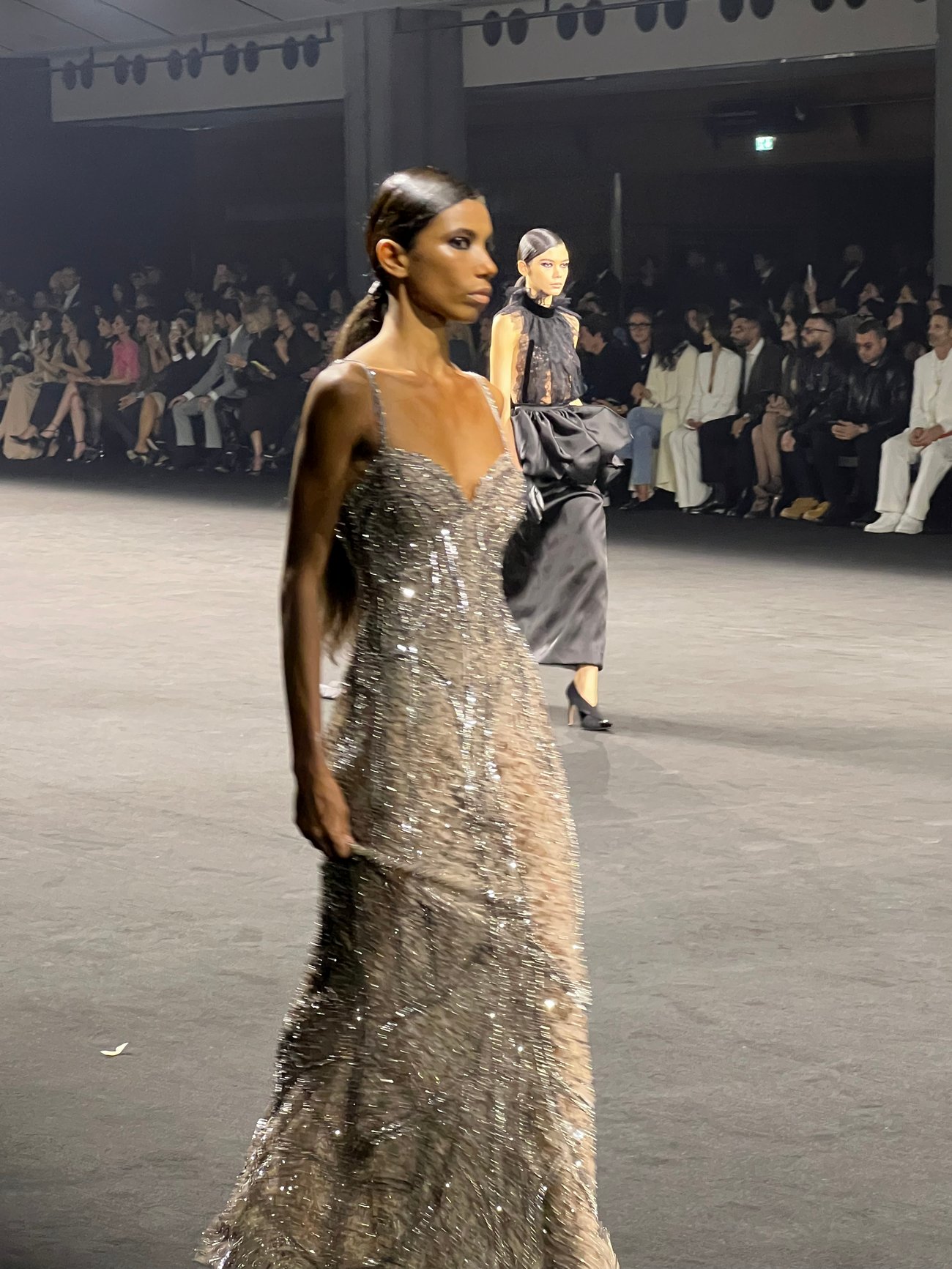
Haute Couture, A War of Worlds
If menswear presented a battle of ideas, Haute Couture unfolded as something closer to a clash of realities. Within the salons and ateliers of Paris, the central question was no longer aesthetic but existential. Is there still a future for human craftsmanship in a landscape increasingly shaped by artificial intelligence?
The answer offered this season was both reassuring and unsettling. Couture has moved beyond the function of dressing red carpets. It has become a testing ground for the very definition of luxury. Across the week, from Schiaparelli to Margiela, a clear shift emerged. The more visibly human an object appears, the more desirable it becomes. Imperfection, complexity and irregularity are no longer flaws, but markers of value. In response to the rise of algorithmic precision, the industry is retreating into the expressive unpredictability of the hand.
Daniel Roseberry opened the week for Schiaparelli with a collection already described as Anatomical Surrealism 2.0. At first glance, the garments resembled classical sculpture. Closer inspection revealed embedded microchips, gold surfaces infused with technological elements, and 3D-printed corsetry achieving a level of anatomical precision previously unattainable.
Yet the true gesture lay in what followed. These technologically advanced pieces were layered with extensive hand embroidery, as if deliberately reintroducing human imperfection into an otherwise controlled system. Backstage, it was said that one of the gold corsets had been produced from a 3D scan of a specific model, before being manually inlaid with recycled gold circuitry over several weeks. The process itself became a commentary on the tension between machine and maker.
Another narrative circulated alongside the collection, tied not to technology but to power. It is said that a major Hollywood figure, widely believed to be Scarlett Johansson, privately acquired three looks in order to secure exclusivity on the awards circuit. In this context, couture operates not only as fashion, but as strategic positioning.
Against this backdrop, Chanel appeared restrained. Following a period of creative uncertainty, the house presented what critics have described as a return to safe luxury. Tweed dominated, accompanied by feathers and classical silhouettes. The execution was precise, but the result felt static, almost archival.
Behind this restraint, however, speculation continues to build. Insiders suggest that parallel discussions with Phoebe Philo are underway. Should these negotiations materialise, the shift could be significant. For now, Chanel exists in a suspended state, poised between stability and transformation.
Galliano and the Ritual of Making
If Chanel chose control, John Galliano embraced intensity. His Maison Margiela Artisanal presentation has already been described as one of the defining moments of the decade. The collection rejected conventional structure entirely. Instead, it proposed a layered, fragmented vision in which time, texture and colour dissolved into one another.
More striking still were the conditions under which the work was produced. According to reports, Galliano prohibited the use of any motorised or electric tools. Every stage, from dyeing to construction, was executed entirely by hand. Some processes were reportedly carried out by candlelight, allowing artisans to experience the material under minimal illumination, observing how fabric behaves in shadow rather than under artificial brightness.
The result transcended fashion. It approached something closer to ritual.
The Return of Human Imperfection
Across these narratives, a single conclusion emerges. Couture in 2026 represents a decisive reassertion of human imperfection against the neutrality of machines. Faced with the rapid advancement of artificial intelligence, the industry is clinging to the one element that cannot be replicated, the human presence embedded within the object.
The slight tremor of a hand, the irregularity of dye, the intangible energy of material shaped through touch rather than code. The more evidently human the process, the greater the value assigned to the result.
Where this movement leads remains uncertain. Whether figures such as Phoebe Philo will redefine the landscape, whether Galliano can sustain this intensity without tipping into excess, these questions remain open. What is clear is that, for now, the human element has not been displaced.
Hermès, or the Reality of Luxury
After a week dominated by theory, speculation and narrative, the industry inevitably returns to measurable outcomes. Numbers, unlike interpretation, offer clarity.
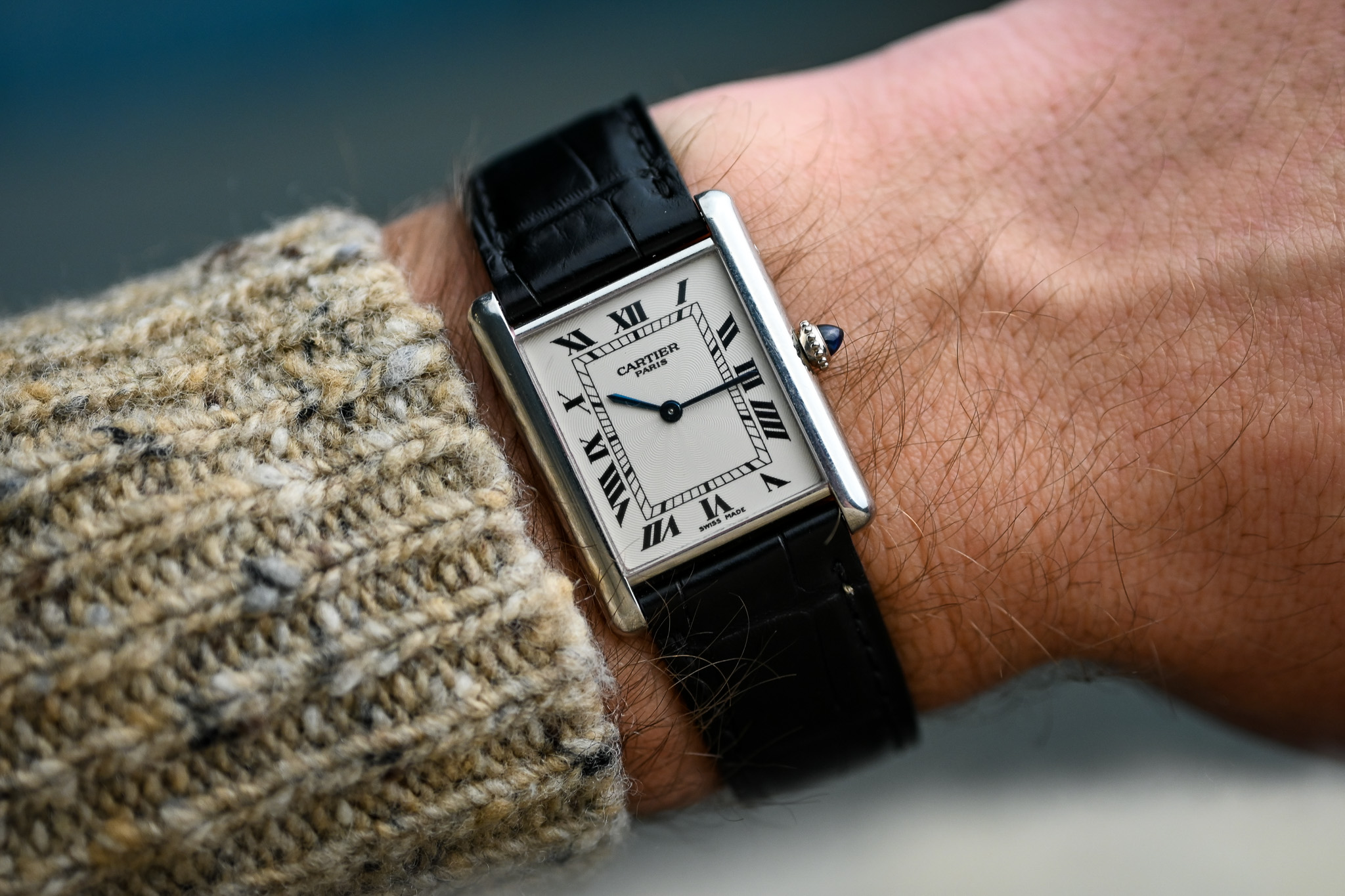
While many houses continue to reposition themselves, Hermès released its 2025 financial results with characteristic restraint. Revenue reached €16 billion, reflecting a 5.5 percent increase in a year marked by global instability. The operating margin stood at 41 percent, a figure that would be exceptional in any sector, yet remains consistent with the house’s long-term performance.
What drew particular attention, however, was not the financial data itself, but the internal distribution of success. All 26,494 employees, across all roles and geographies, received an identical bonus of €3,000. There was no hierarchy, no adjustment. The gesture functioned less as communication and more as demonstration. When the company succeeds, the value is shared.
At a time when much of the industry is reducing costs and restructuring, Hermès continues to invest in craftsmanship and human capital. This is not framed as paternalism, but as a long-term economic model grounded in the belief that skilled labour remains the rarest resource in an increasingly automated world.
While attention remains fixed on potential creative shifts at other houses, Hermès maintains a consistent trajectory. It does not seek to dominate the narrative. It simply continues.
Even the release of a new iPhone in the brand’s signature orange has reinforced this dynamic. Reports suggest that this version outperformed all other colour variants combined, driven not by innovation, but by association.
The conclusion is difficult to ignore. Luxury is not sustained through spectacle or disruption alone. It is sustained through continuity, discipline and quiet confidence.
As long as artisans continue to work leather by hand, as long as value is attached to process rather than speed, the future of fashion remains intact.
And that future does not carry the scent of plastic or code. It carries the scent of leather, labour and recognition.
Everything else is noise. At times brilliant, at times flawed, but ultimately, noise.
Read more in our next issue, as fashion does not stand still and each day continues to bring new developments and unexpected turns.