By Alisza Matvijcsuk
Vintage clothing has quietly moved from forgotten wardrobes to red carpets and city streets. Today, Generation Z increasingly turns to second-hand fashion, choosing pieces with history over newly produced items.
“Vintage is proof that style outlives trends.”
What Is Vintage?
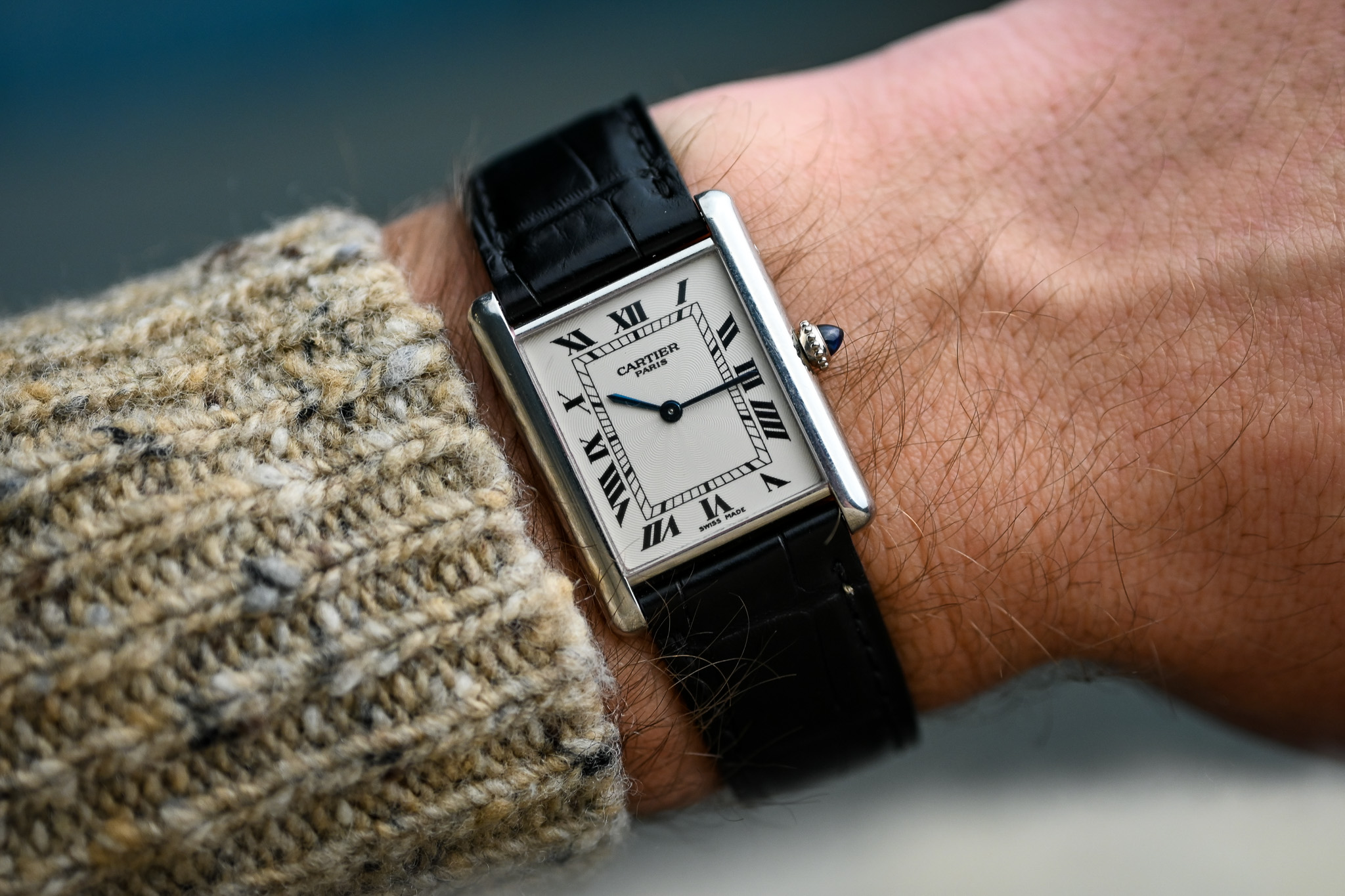
Vintage generally refers to garments that are over twenty years old. Designer pieces are especially valued, as they capture the aesthetics of their time and are often no longer in production. Some even become collectible items.
The revival of vintage fashion has only grown stronger. Kylie Jenner‘s appearance at the BAFTA Awards 2026 in a 1999 Thierry Mugler dress is a striking example. The sculptural silhouette felt surprisingly contemporary, proving that true style transcends time.
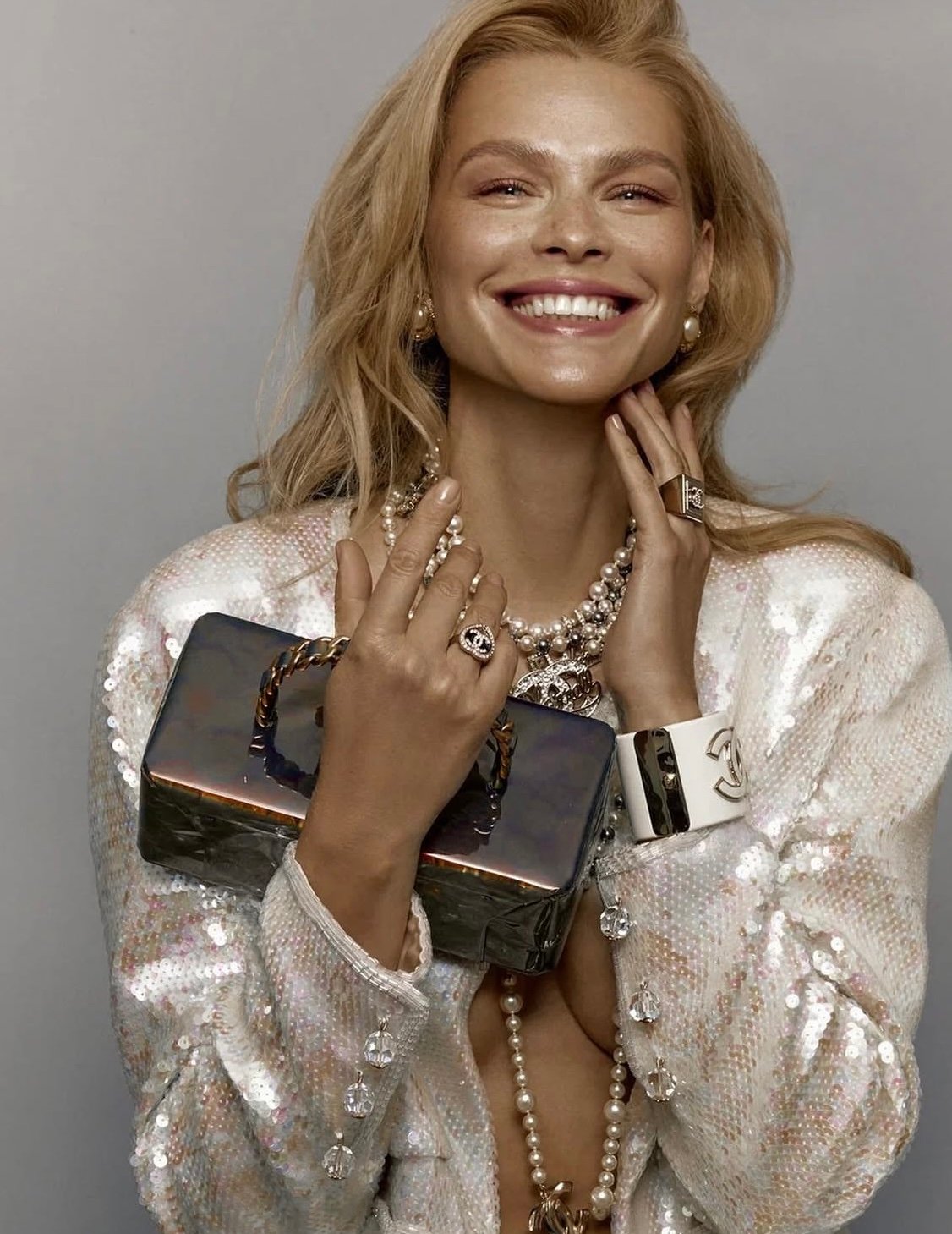
Classic glamour with timeless accents
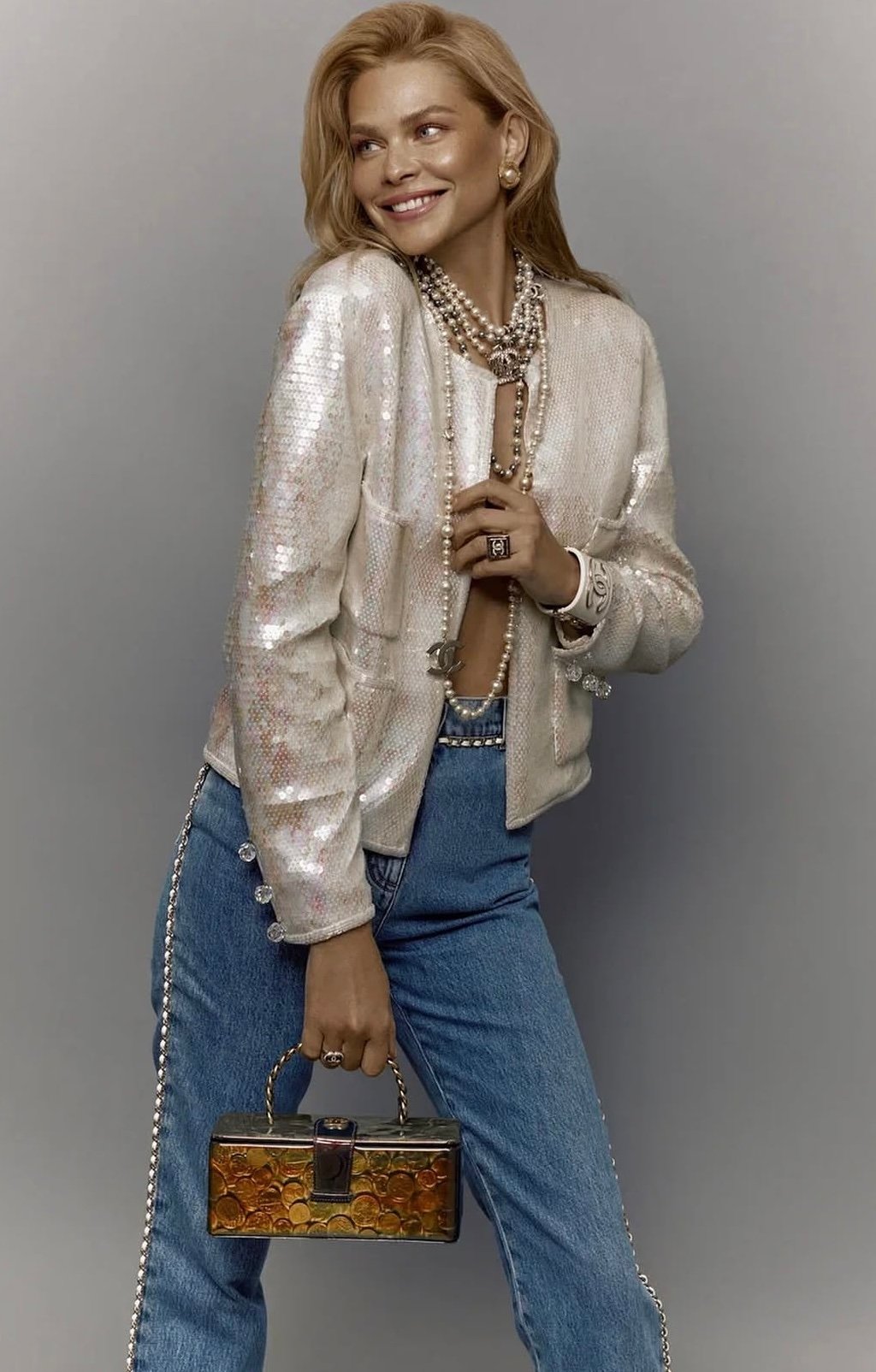
Vintage glamour, undone
A Market in Full Transformation
The second-hand sector is rapidly expanding and is expected to reach $360 billion by 2030. Generation Z and millennials are driving this growth, embracing a more conscious approach to consumption.
Choosing vintage is both an aesthetic and ethical decision. Consumers are rejecting overproduction and opting to extend the life cycle of garments rather than buying impulsively.
Vintage as Smart Consumption
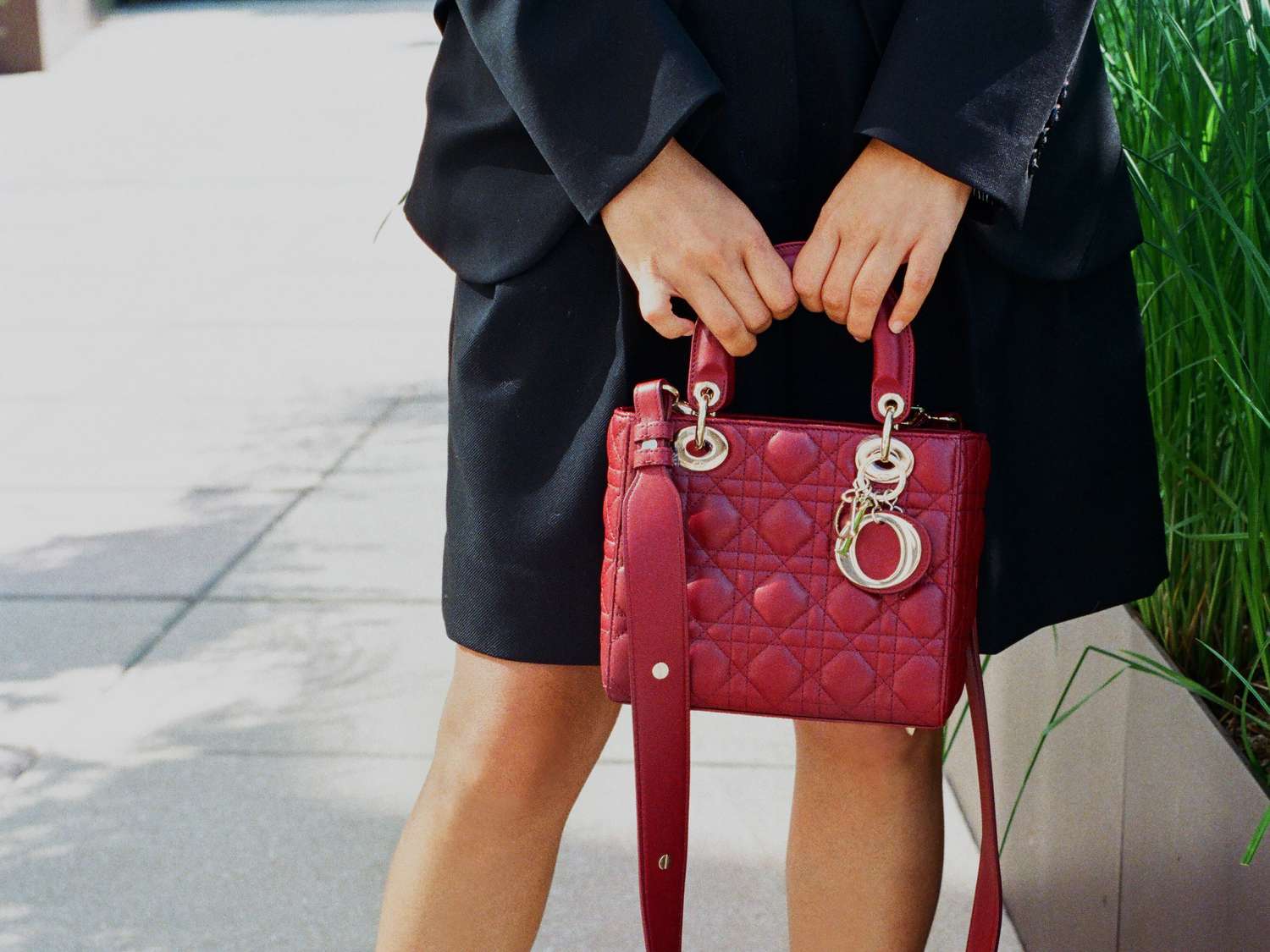
As luxury prices continue to rise, vintage pieces offer a more stable and often more accessible alternative. Some items even increase in value over time, including Hermès bags, Dior designs from the Galliano era, and Chanel pieces from the Karl Lagerfeld period.
Today, the market extends far beyond traditional thrift stores. Online platforms, curated boutiques, and auction houses offer a wide range of items, from affordable finds to museum-quality pieces.
A New Relationship with Clothing
Signs of wear are no longer flaws but markers of character. Patina, fading, and imperfections give garments a unique identity.
For Generation Z, this mindset is natural. Upcycling and customization allow individuals to reinterpret existing pieces. Value is created through personal involvement rather than brand labels alone.
One thing is clear: vintage represents a deeper shift — a move away from fast consumption toward a more conscious relationship with clothing. Because in the end, every vintage piece is more than a garment. It is a story that continues to live.
Still life with a vintage accent