Dressing for the Planet: Why Sustainable Fashion Matters
By Alisza Matvijcsuk
“Sustainable fashion is not just a trend, but a new philosophy of consumption.”
The world is changing at an unprecedented pace — and fashion is changing with it. Trends come and go faster than ever, yet one movement is clearly here to stay: sustainable fashion.
More than a passing trend, it reflects a deeper transformation in the way we consume. Faced with overproduction and environmental damage, the fashion industry — one of the most polluting in the world — is being forced to rethink itself.

Minimalism in motion: quiet strength through simplicity

Elegance redefined through conscious simplicity
The Rise of Slow Fashion
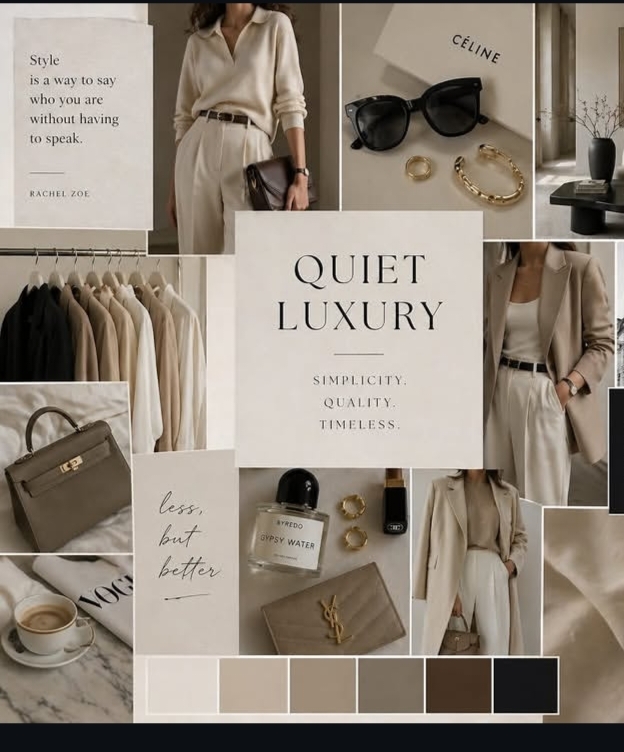
One of the first responses to this shift was the rise of slow fashion. As an alternative to fast fashion, it promotes a more conscious approach: buying less, but better. Consumers are increasingly choosing durable, timeless pieces designed to last. Fashion is no longer disposable — it becomes an investment.
But the transformation goes further.
Sustainable fashion is also redefining the idea of luxury. Once associated with rarity and price, luxury is now increasingly linked to transparency and responsibility. The rise of lab-grown diamonds reflects this shift. As ethical concerns around traditional sourcing grow, new alternatives offer a different vision of value — one rooted in awareness rather than extraction.
Fashion and Social Impact
Yet sustainability today is no longer limited to environmental concerns.
The industry has begun to recognize its social impact. In the age of social media, rigid beauty standards have long shaped expectations and identities. In response, inclusivity has become a defining value. Runways and campaigns now reflect a broader diversity of bodies, ages and backgrounds.
Sustainability, in this sense, is also about respecting individuality.

A new vision of fashion: movement, simplicity, and conscious elegance

Soft light, natural textures, conscious elegance
A New Relationship with Objects
This shift is also changing our relationship with objects. The second-hand and resale markets are growing rapidly. Clothing is no longer seen as disposable, but as something that carries history. Signs of wear — patina, fading, imperfection — become markers of character.
Generation Z is pushing this logic even further. For them, sustainability is not a trend but a natural environment. Upcycling and customization become forms of personal expression. Value is no longer defined by a logo, but by personal involvement.
The Risk of Greenwashing
However, an important question remains: is everything labeled “sustainable” truly sustainable?
The rise of greenwashing reveals the limits of the system. Some brands adopt the language of sustainability without changing their practices. When production cycles remain unchanged, sustainability becomes a marketing tool rather than a real commitment.
Sustainable fashion is not yet a final solution. But it represents a shift in direction.
And perhaps it begins with something simple: a personal choice. To buy less. To choose better. And to restore meaning to what we wear.
Timeless form beyond trends