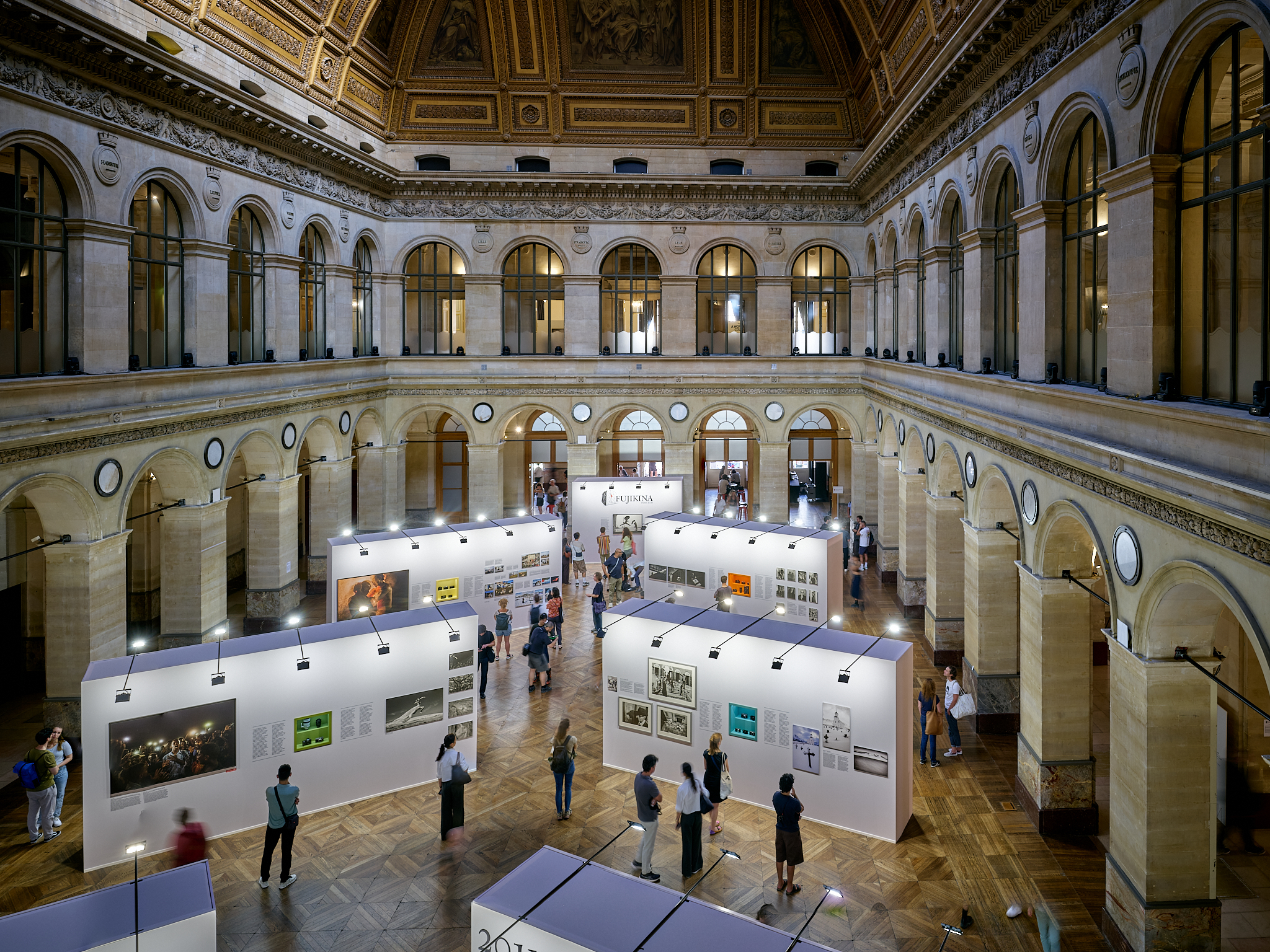
At the Palais Brongniart, FUJIKINA Paris 2026 brought together the worlds of photography, contemporary art and technological innovation to celebrate the bicentenary of photography. Through historic archives, contemporary perspectives and immersive experiences, the event invited visitors to rediscover the power of the image.
Two Centuries of Photography, One Shared Vision
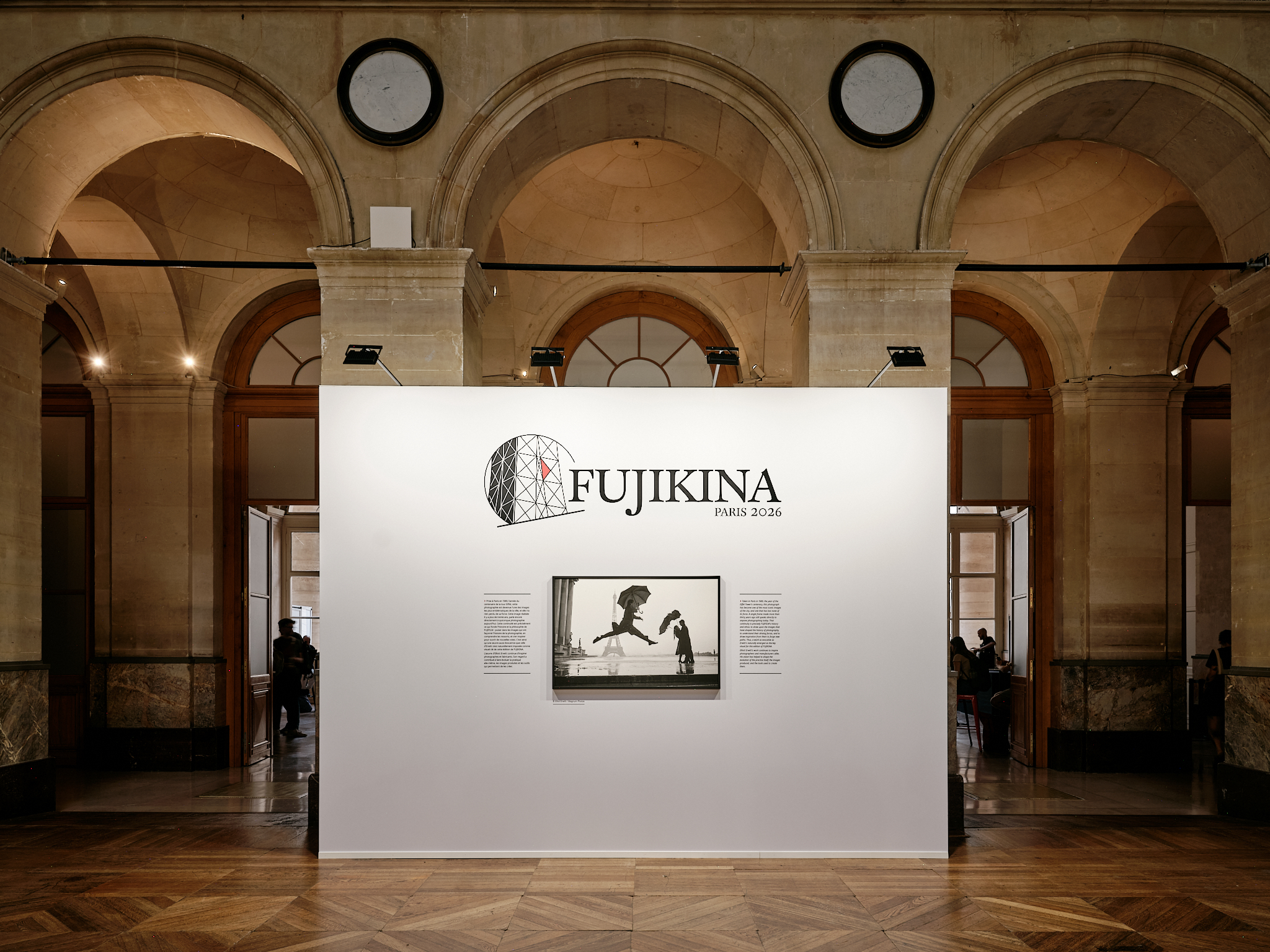
Photography has always been more than a way of documenting reality. It is an art of observation, a means of storytelling and a powerful expression of how we perceive the world. In 2026, as photography celebrates its 200th anniversary, FUJIKINA Paris placed this enduring cultural language at the heart of the French capital. Organised by Fujifilm from 4 to 6 September 2026, the event took place at the Palais Brongniart, an architectural landmark whose neoclassical grandeur provided a striking setting for a celebration of photographic heritage and contemporary creativity. Recognised by France’s Ministry of Culture as part of the official bicentenary celebrations, FUJIKINA transformed the historic venue into a meeting point for photographers, artists, professionals and enthusiasts. Conceived as an open space for discovery and exchange, the event explored photography in all its dimensions: from its historical foundations to the technological innovations shaping its future.
Magnum Photos: A World Seen Through Colour
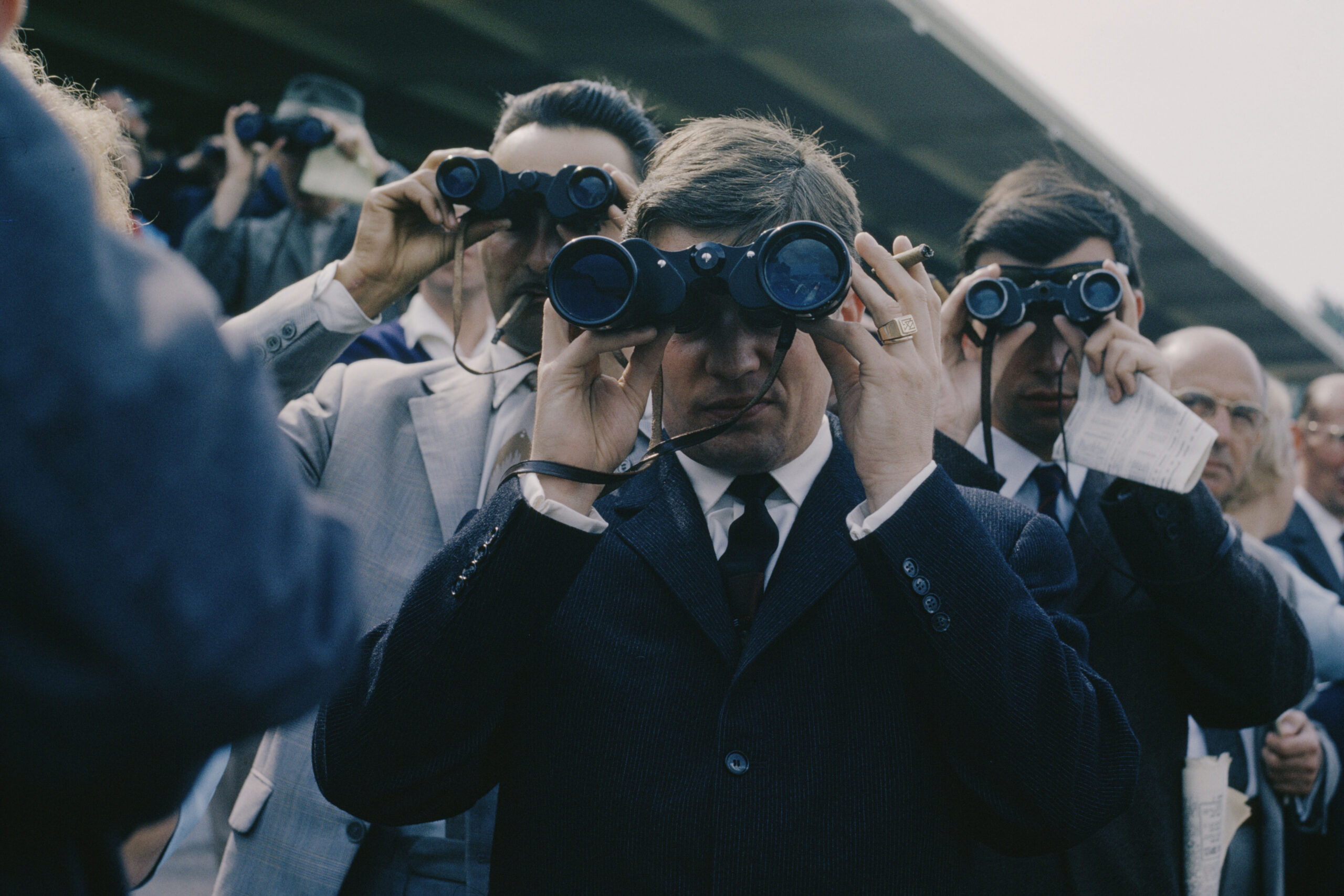
One of the highlights of FUJIKINA Paris 2026 was Magnum: A World in Color, an ambitious exhibition developed in partnership with Magnum Photos and the Médiathèque du Patrimoine et de la Photographie. The exhibition brought together seven chapters previously presented in European cities, including Prague, Milan, Brussels, Arles, Cologne, London and Copenhagen. For the first time, these chapters were united in a single exhibition, creating an exceptional panorama of Magnum’s colour archives.
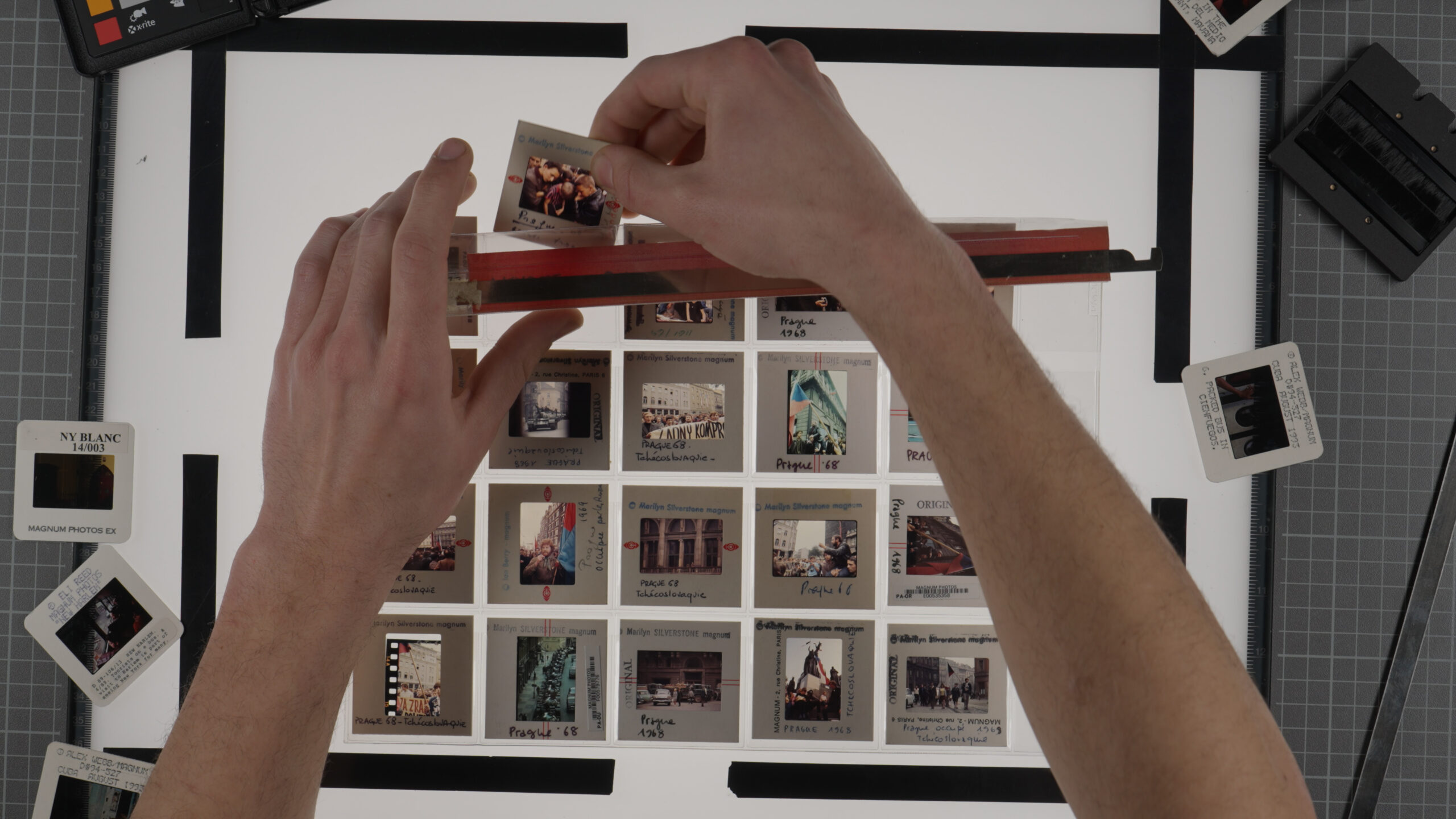
The scale of the collection is remarkable: approximately 43,000 contact sheets and 650,000 colour slides, spanning the 1950s to the early 2000s. Preserved for decades at Fort de Saint-Cyr, these archives contain images that offer fresh perspectives on the people, places and defining moments of modern history. Alongside historic photographs, contemporary commissions created a dialogue between generations of image-makers. Photographers including Rafal Milach, Alec Soth, Myriam Boulos, Gregory Halpern, Cristina de Middel, Thomas Dworzak, Olivia Arthur, Mark Power and Jonas Bendiksen contributed to a broader reflection on how the world is documented and interpreted. The project also highlighted the importance of preservation. Using Fujifilm’s GFX100 II camera to digitise archival material, the initiative demonstrated how contemporary technology can help safeguard photographic heritage while making previously inaccessible images available to new audiences. Here, innovation was not presented as an end in itself, but as a means of keeping history alive.
Youth, Identity and the Art of Looking
Another major exhibition, Magnum: Youth, explored the complexity of growing up in today’s world through two distinct photographic approaches. In Las Calles: In the Spirit of Youth, Alex Webb returned to Oaxaca, Mexico, drawing on more than five decades of photographing the country. His distinctive use of saturated colour, dramatic shadows and intense natural light captures the energy of urban life and the vitality of a younger generation. Across the exhibition, historical photographs were placed in conversation with more recent images, revealing how places and communities evolve while certain human experiences remain universal. A different perspective emerged in Alec Soth’s Three Teens, which follows three teenagers — Toby, JD and Gus — in and beyond their school environment in the Minneapolis–Saint Paul area. Rather than relying on familiar narratives of uncertainty or vulnerability, Soth approaches adolescence through intimacy, imagination and self-discovery.
Together, the two projects offered a nuanced portrait of youth: one shaped by the rhythm of the street, the other by the private worlds young people create for themselves. The theme extended beyond the exhibition itself. Supported by Fujifilm, ten Magnum photographers collaborated on Magnum Chronicles: Gen Z, a collective publication examining the generation through multiple photographic perspectives

Two Hundred Years of Portraiture
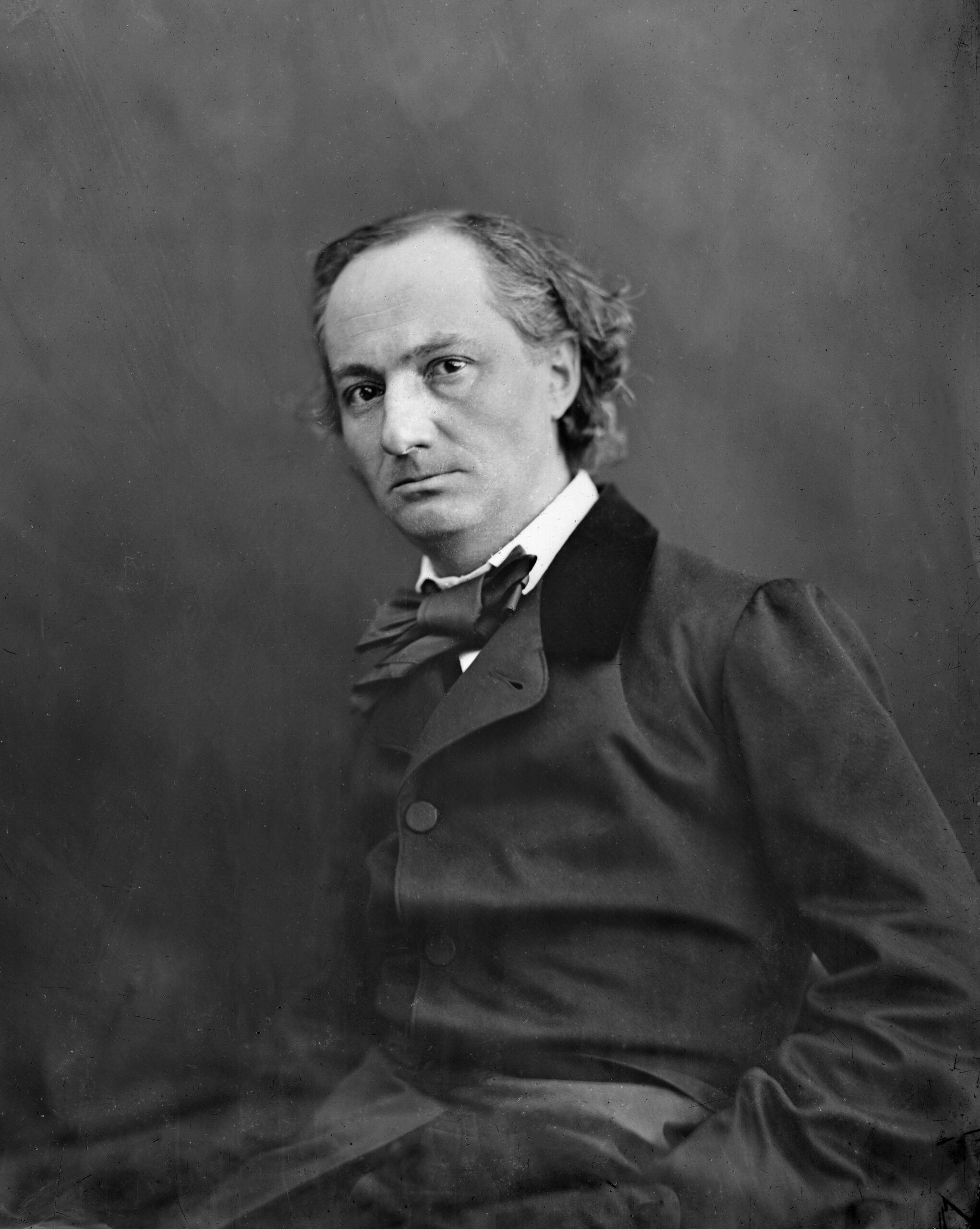
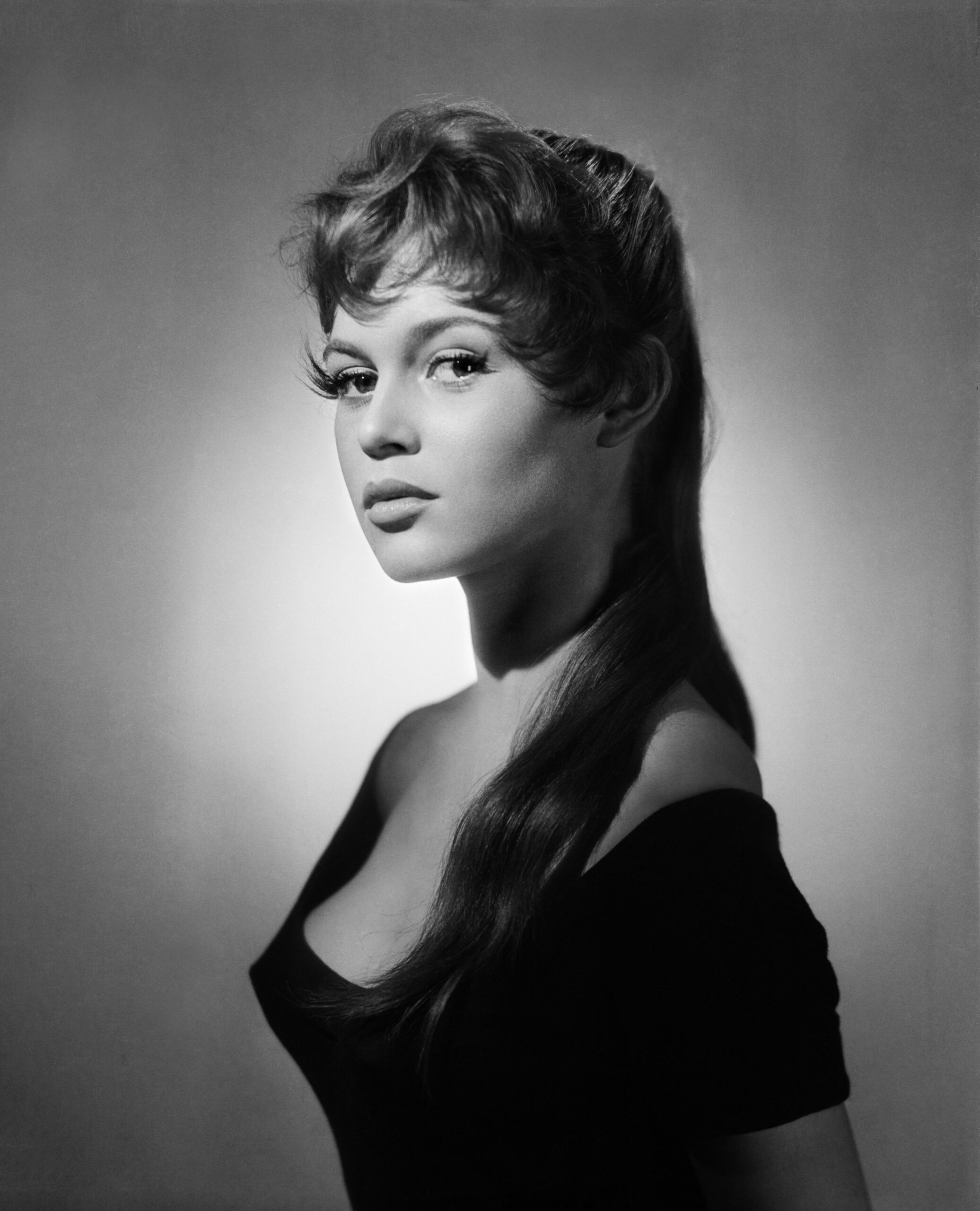
Photography’s history is also a history of faces. The exhibition Histoire de Portrait(s) des collections MPP, created with the Médiathèque du Patrimoine et de la Photographie, traced two centuries of French portraiture, from the medium’s early years to the late twentieth century. Drawing on national collections containing approximately 25 million photographs across different formats, the exhibition explored how portraiture has reflected changing social values, artistic movements and ideas of identity. The journey included pioneering photographer Nadar, whose portraits captured some of the defining personalities of his era, as well as the distinctive cinematic lighting of Studio Harcourt. Photographs by Sam Lévin, Denise Colomb, Willy Ronis and other important figures expanded the narrative, revealing the many ways a portrait can construct a public image, preserve a memory or communicate an intimate truth. From celebrated film stars to more personal and documentary subjects, the exhibition demonstrated that a photograph is never simply a record of appearance. It is also an interpretation of character, time and place.

Fujifilm: Fifteen Years of the X Series
While the historical exhibitions looked back at photography’s evolution, Fujifilm’s 15 Years of the X Series for 200 Years of Photography turned attention towards the relationship between technology and creative expression. Since the introduction of the X100 in 2011, Fujifilm’s X Series has developed into a significant part of contemporary photographic culture. Its compact design, hybrid viewfinder and distinctive approach to colour have attracted photographers seeking a balance between technical precision and an intuitive shooting experience. The exhibition traced fifteen years of development, from the first X Series cameras to the GFX medium-format system. It also explored a central idea: photographic equipment evolves in response to the needs of photographers, while new tools, in turn, inspire new ways of seeing. Fujifilm’s history began in Japan in 1934, with expertise in photographic film, chemistry and colour reproduction. Its ongoing commitment to research and innovation reflects a broader understanding of photography — one in which the camera is not merely a technical instrument, but a partner in the creative process.


Photography as a Living Cultural Language
What made FUJIKINA Paris 2026 particularly relevant was its ability to connect different dimensions of photography without reducing the medium to either its history or its technology. The historic archives demonstrated the importance of preserving images. Contemporary photographers revealed how visual storytelling continues to evolve. The exhibitions on youth and portraiture explored identity and society, while the demonstrations and masterclasses emphasised photography as a practice that can be learned, shared and reinvented. In an era defined by the constant production and circulation of images, such a gathering also offered an opportunity to reconsider what makes a photograph meaningful. Beyond resolution, equipment and technique lies the photographer’s ability to recognise a moment, construct a frame and communicate an idea. As photography enters its third century, FUJIKINA’s message is clear: its future will be shaped not only by technological progress, but also by the curiosity, imagination and sensitivity of those who use the medium to tell stories. At the Palais Brongniart, two hundred years of photographic history became more than a retrospective. They became an invitation to look again — and to discover how much a single image can still reveal.