By Ann Gayd
“There are cities that serve as film locations — and then there is Venice, a city that performs.”
In The Tourist, Venice is not just a backdrop. It becomes a character — mysterious, theatrical, and deeply romantic. The film builds its visual language around historic palaces, legendary hotels, and the slow rhythm of the Grand Canal.
Many viewers assume the main hotel is fictional. In reality, it is one of the most iconic addresses in Italy.
Hotel Danieli — Where Cinema Meets History
Located steps from St. Mark’s Square, Hotel Danieli has defined Venetian luxury for centuries. Originally a 14th-century palace, it became a hotel in 1822, welcoming writers, artists, and aristocrats long before the era of cinema.
Its Gothic arches, marble interiors, and lagoon views create an instantly recognizable image of Venice — dramatic, poetic, and atmospheric. The fact that it appears in the film as itself makes it even more compelling.
Palazzo Pisani Moretta — Elegance on the Grand Canal
Some scenes were also filmed in other palaces, including Palazzo Pisani Moretta. Its Gothic façade and water-level entrance embody the essence of aristocratic Venice.
Though not a functioning hotel, its richly decorated interiors evoke a sense of timeless luxury.
Palazzo Grimani — Between Illusion and Reality
Palazzo Grimani di San Luca appears in several interior scenes, including the iconic balcony shot. In the film, it seems to belong to a luxury suite, yet in reality it is a private residence.
This blending of fiction and reality is quintessentially Venetian — where every façade feels theatrical and every window frames a story.
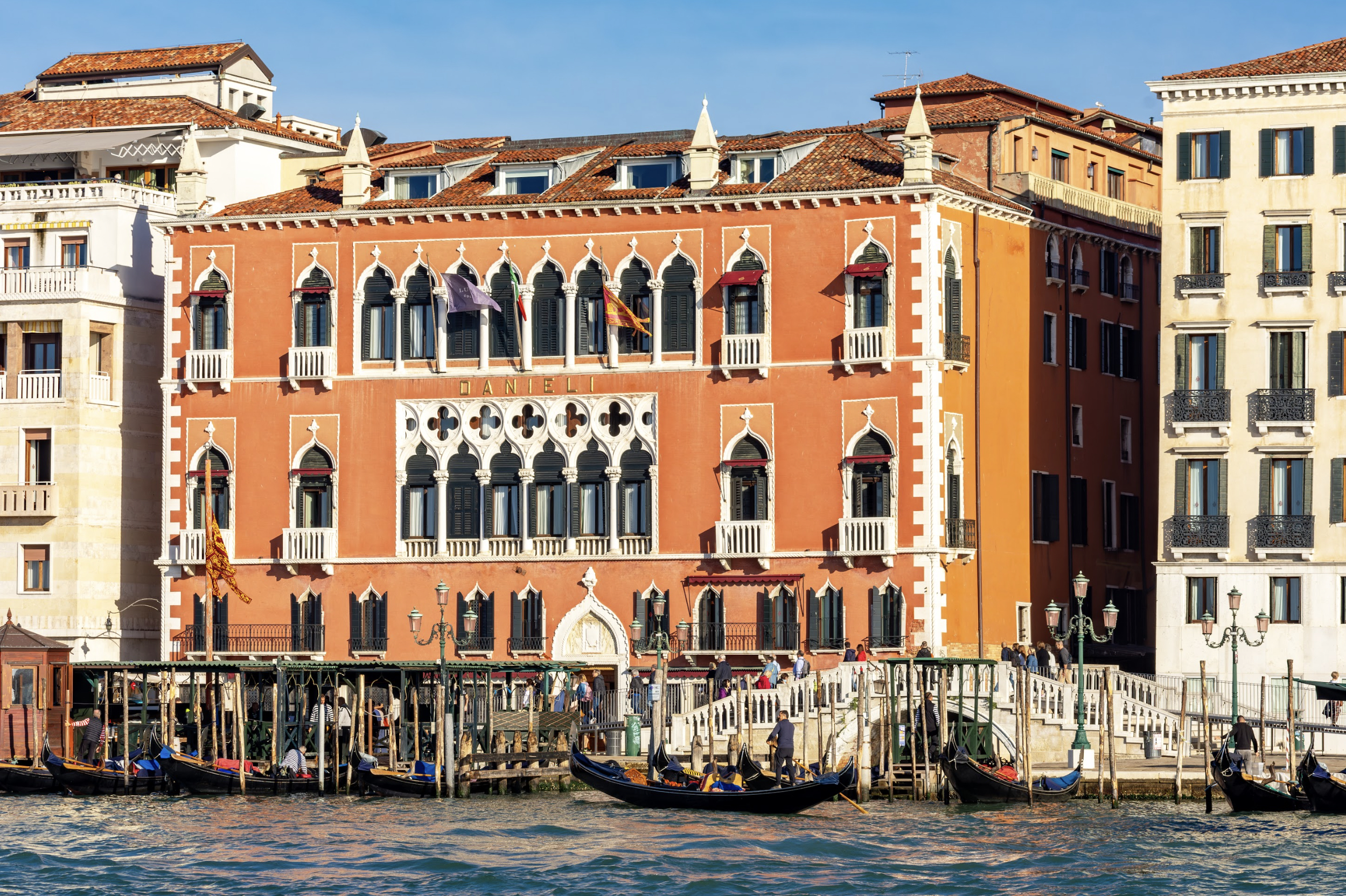
Venetian Gothic in its most cinematic form
Living the Film: Hotels That Capture the Same Spirit
Travelers inspired by The Tourist often seek places that recreate its atmosphere. Venice offers several exceptional options.
The Gritti Palace, overlooking the Grand Canal, delivers classic luxury and understated elegance. Its mood closely reflects the film’s refined aesthetic.
Aman Venice offers a more discreet experience. Set within an 18th-century palace, it combines historic frescoes with contemporary restraint — a quieter form of luxury.
Ca’ Sagredo stands between hotel and museum. Its monumental staircases and baroque interiors create the feeling of living inside a work of art.
Venice, Where Cinema and Reality Blur
What The Tourist ultimately captures goes beyond locations. It reveals the essence of Venice — a city where time slows down, reflections replace lines, and history is still lived rather than displayed.
Here, palaces become hotels, hotels become stages, and every visitor becomes part of the narrative.
In Venice, you do not simply check in.
You arrive on a stage.
You arrive on a stage