Top Exhibitions in Paris 2026 — Expert View
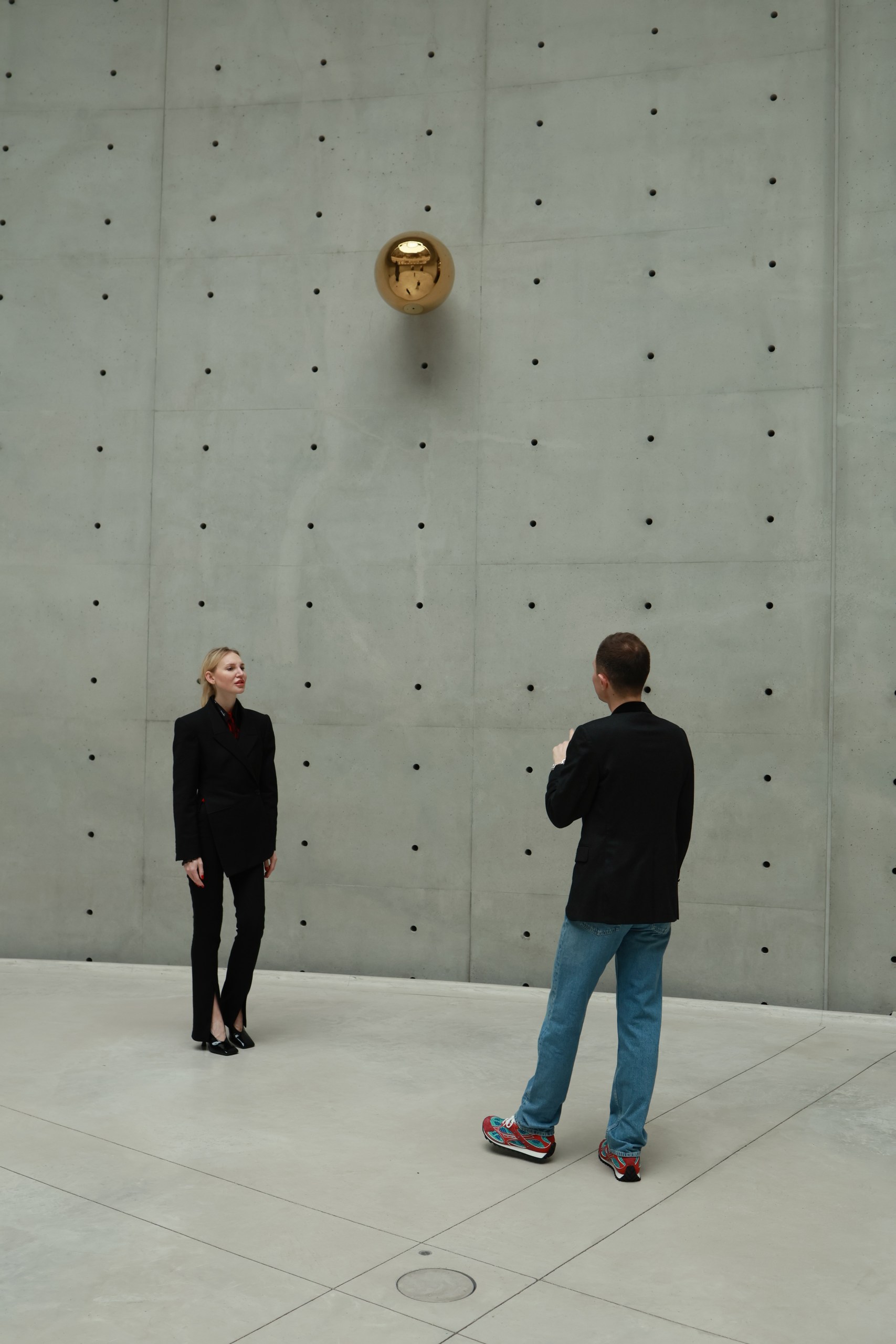
Olga Korovina and Dima Easyart at the Bourse de Commerce – Pinault Collection, Paris
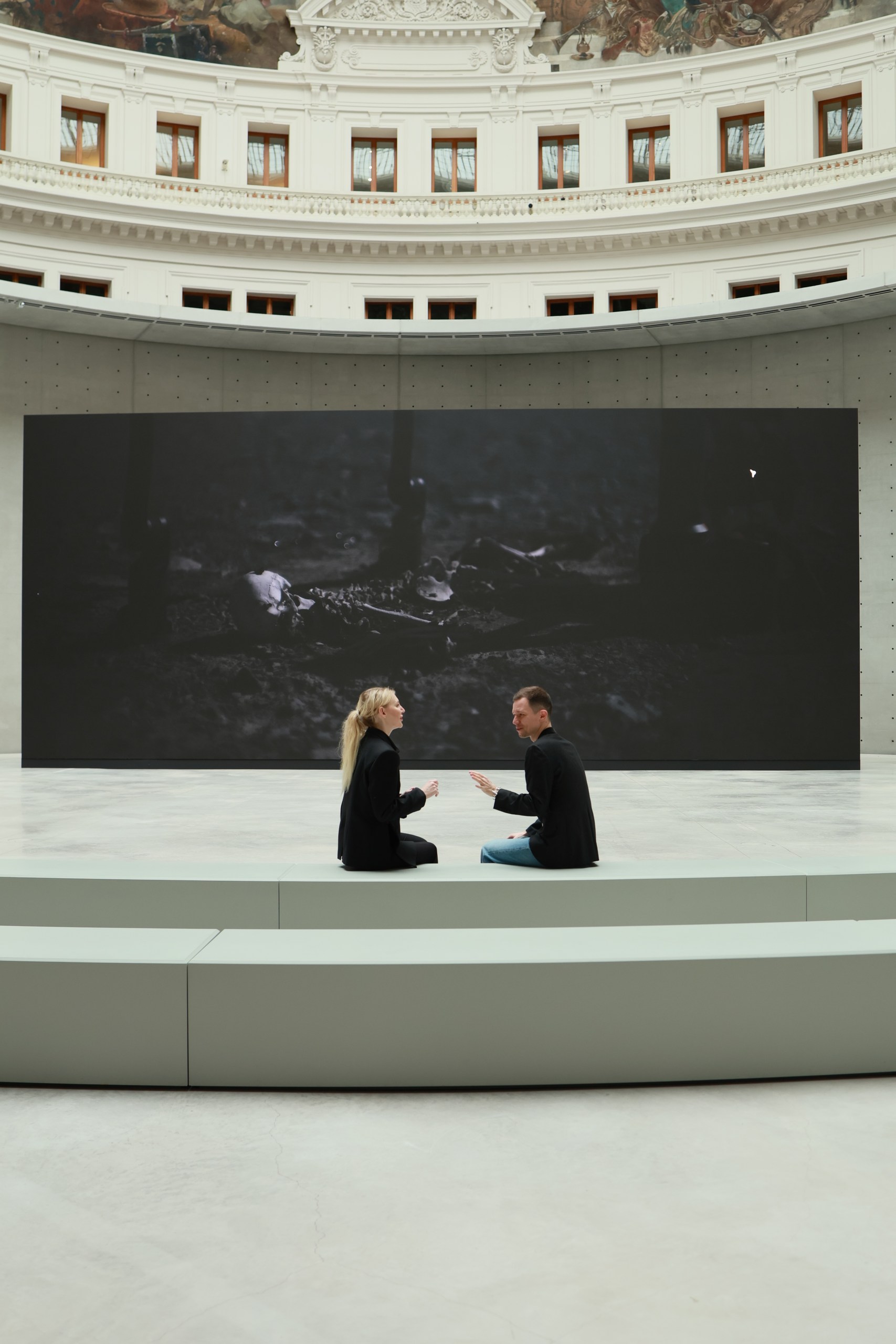
Inside the rotunda of the Bourse de Commerce – Pinault Collection, Paris
Which exhibition will have the greatest impact in 2026?
Dima EasyArt: If we focus on spring–summer 2026, I would highlight Light and Shadow at the Bourse de Commerce — Pinault Collection.
This exhibition creates a dialogue between contemporary artists and modern masters such as Alberto Giacometti, Germaine Richier and Yves Tanguy. It shows how artists who lived through difficult periods of the 20th century managed to preserve a belief in light despite uncertainty.
I think this project feels particularly relevant today, as we are also living in a complex and unstable time, and there is much we can learn from the past.
Many institutions focus on well-known names like Renoir, Michelangelo or Matisse. Is this a way to maintain stability?
Dima EasyArt: Yes, absolutely. When a museum announces an exhibition dedicated to Renoir or Michelangelo — especially in dialogue with Rodin at the Louvre — it can be confident that audiences will come regardless of external conditions.
Given budget constraints, complicated international travel and general uncertainty, museums tend to rely on projects that guarantee attendance.
At the same time, Paris remains a place where more experimental exhibitions are also presented. These projects may be less commercial, but they are intellectually ambitious and artistically significant.
For example, the upcoming exhibition at the Palace of Versailles dedicated to Sofia Coppola’s Marie Antoinette reflects this balance. It may not attract mass audiences, but it offers strong cultural value and a contemporary perspective on history.
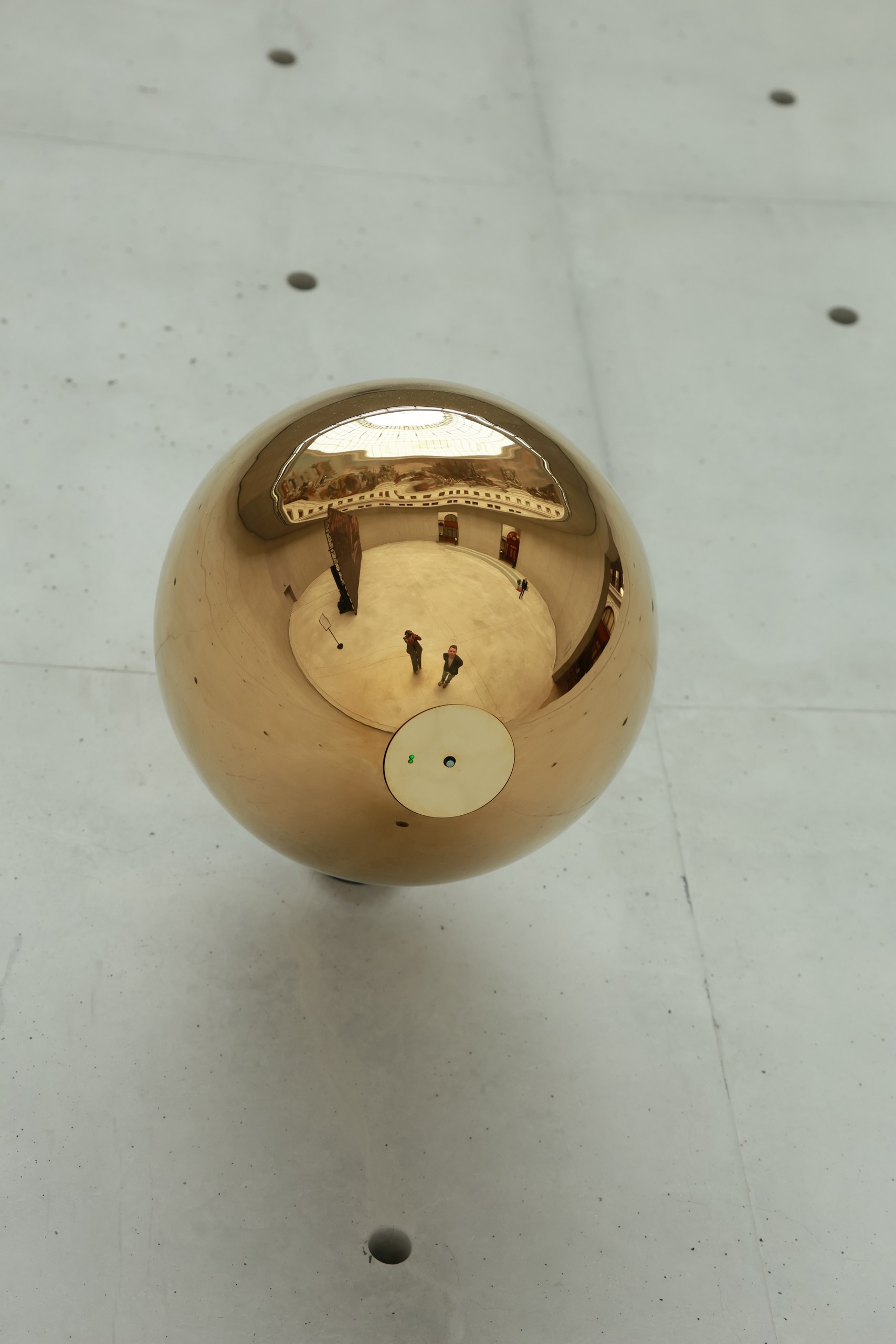
Contemporary sculpture at the Bourse de Commerce – Pinault Collection
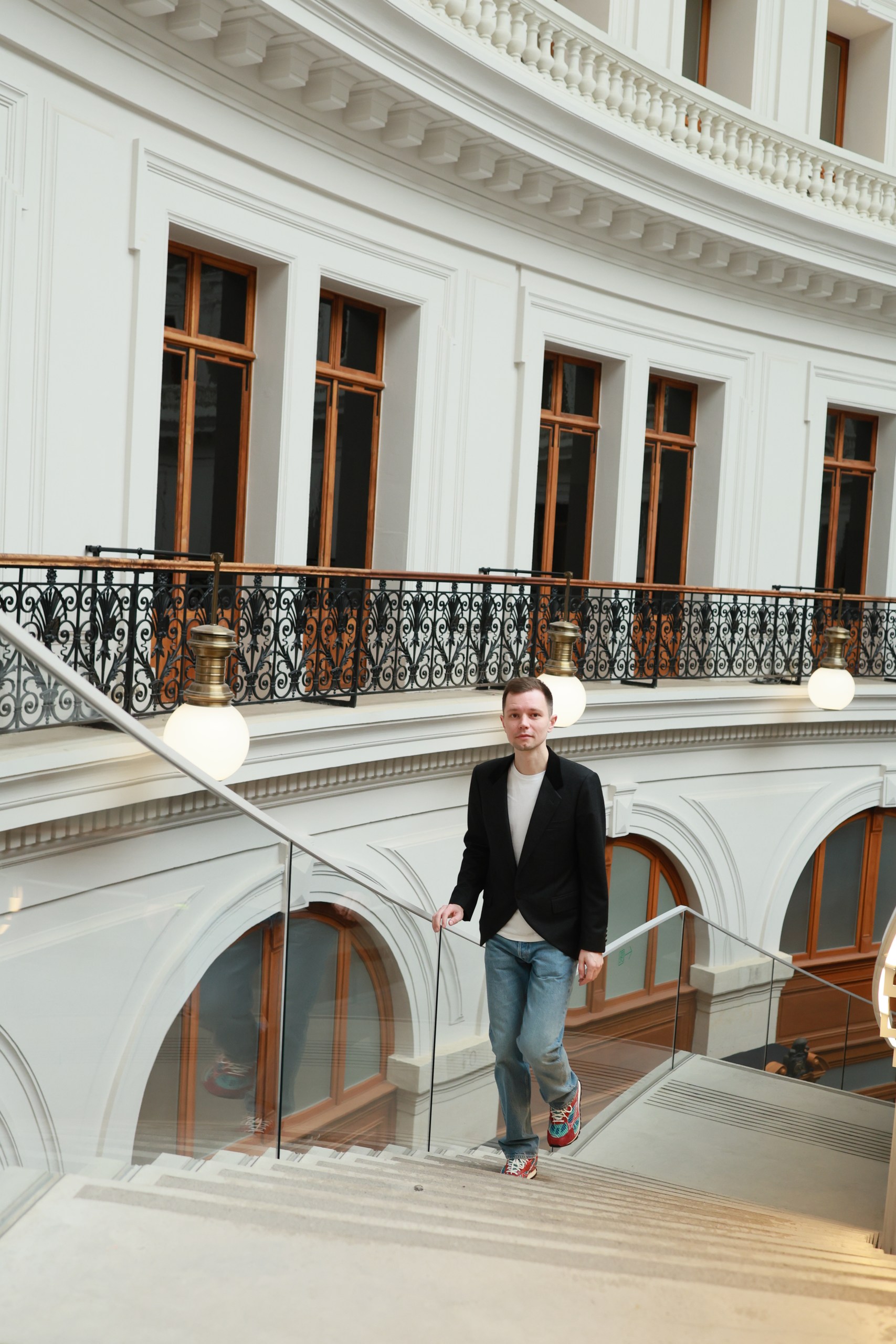
Dima Easyart at the Bourse de Commerce – Pinault Collection, Paris
The dialogue between Michelangelo and Rodin at the Louvre connects different centuries. Is this important today?
Dima EasyArt: This idea of dialogue is essential in art history. Art is built through connections between generations.
I often think of art history as a tapestry: every artist, movement and artwork is a thread. If you remove one, the whole structure becomes incomplete.
Artists constantly engage with the past. As Antony Gormley once said, a sculptor works in dialogue with Rodin, Michelangelo and even ancient civilizations. This continuity shapes contemporary creation.
Many exhibitions also highlight women artists such as Mary Cassatt, Eva Gonzalès and Louise Bourgeois. Is this a lasting shift?
Dima EasyArt: Yes, this reflects a broader issue of visibility. Historically, women artists were underrepresented in museum collections.
Today, institutions are actively addressing this imbalance. Museums like the Musée d’Orsay and Petit Palais are dedicating more space to women artists, both historical and contemporary.
If we speak about values such as equality, they must also be reflected in cultural programming. This shift is not temporary — it is part of a larger transformation.
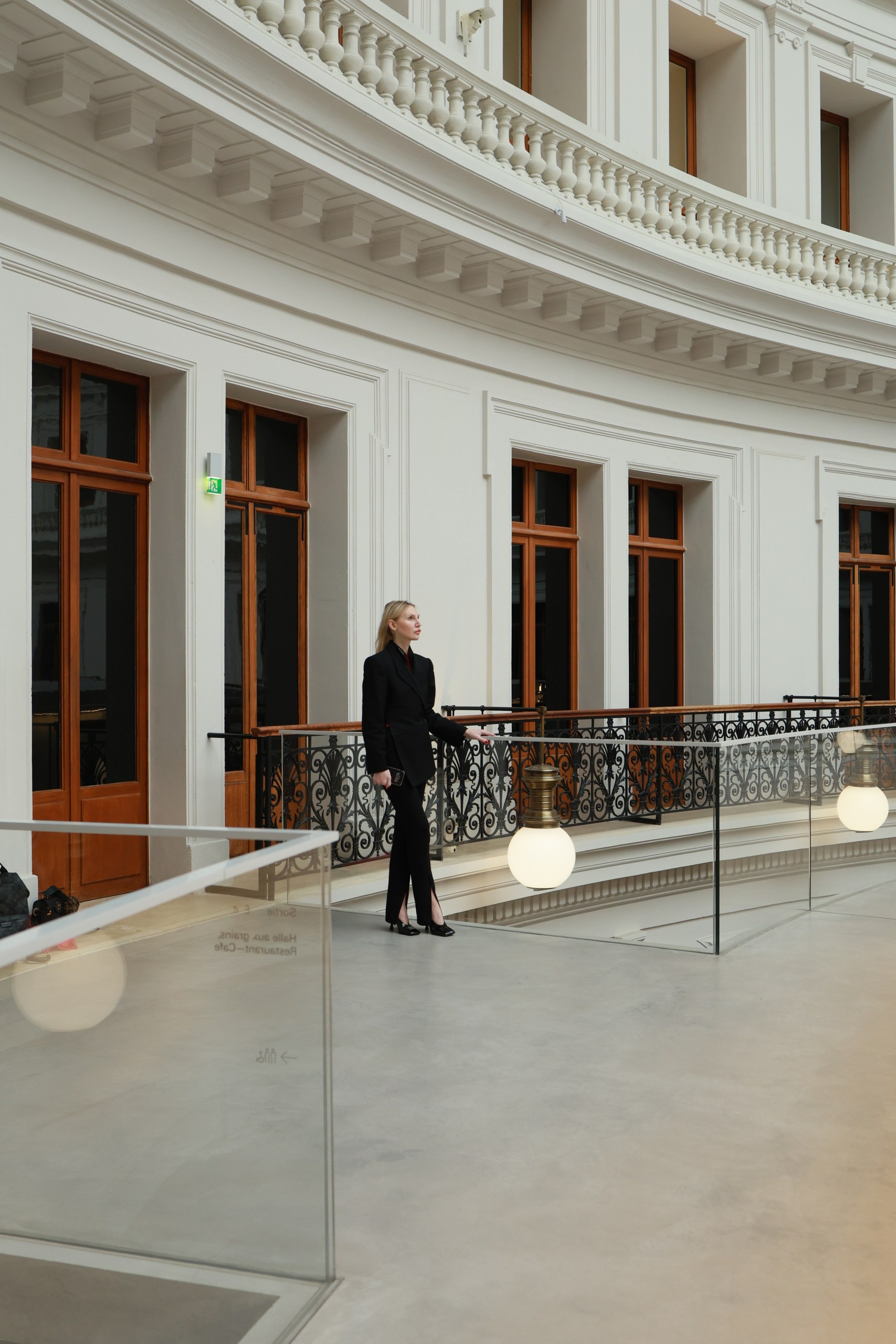
Olga Korovina at the Bourse de Commerce – Pinault Collection, Paris
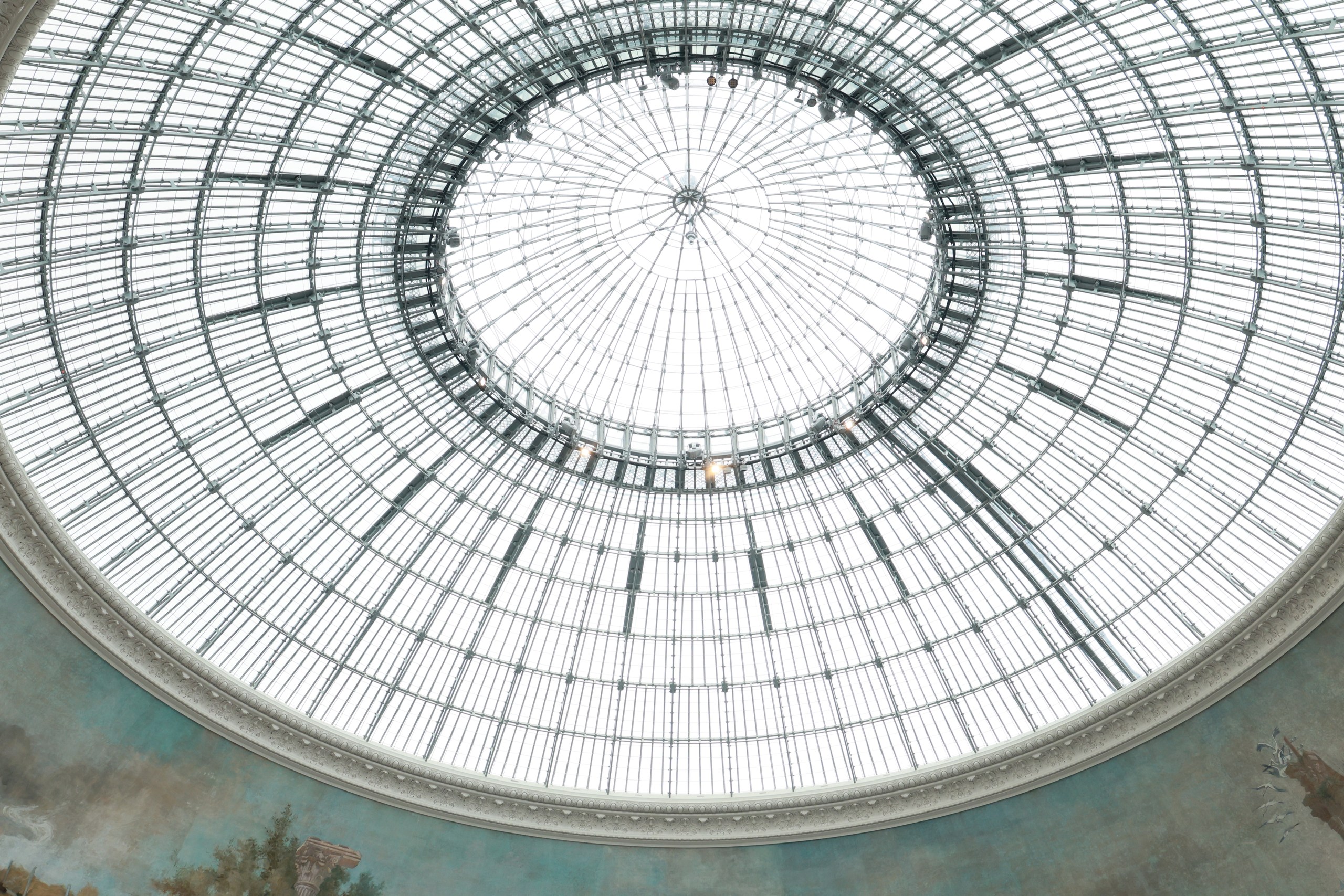
The iconic glass dome of the Bourse de Commerce – Pinault Collection
If you had to choose three must-see exhibitions, what would they be?
Dima EasyArt: That is always a difficult choice, but I would definitely include the Renoir exhibition at the Musée d’Orsay.
It presents him not as a familiar impressionist, but as a radical artist for his time. Masterpieces such as Luncheon of the Boating Party and The Umbrellas will be shown alongside rare international loans.
It will be a major event for anyone interested in Impressionism.
Since we are at the Bourse de Commerce, what should visitors expect next?
Dima EasyArt: The current exhibition already offers a strong experience, but it will soon evolve. The central rotunda installation will be replaced by a fog sculpture by Fujiko Nakaya, allowing visitors to literally walk through a cloud.
The next major project will be dedicated entirely to photography, marking an important moment for this medium within the collection.
Contemporary fashion-inspired installation at the Bourse de Commerce – Pinault Collection