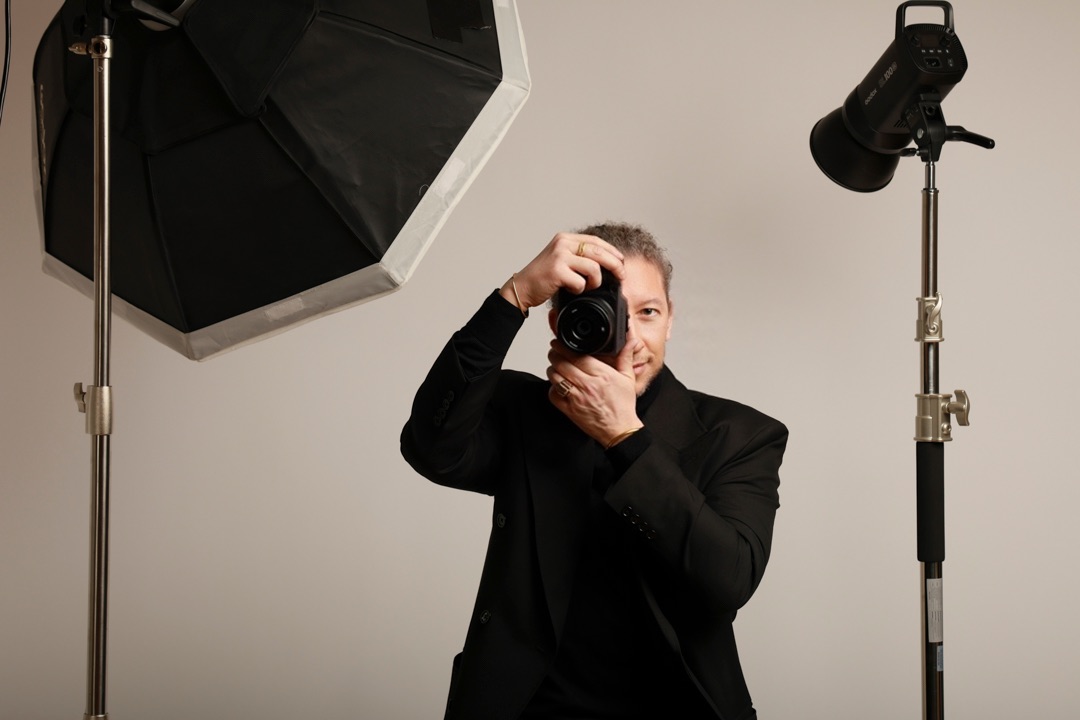
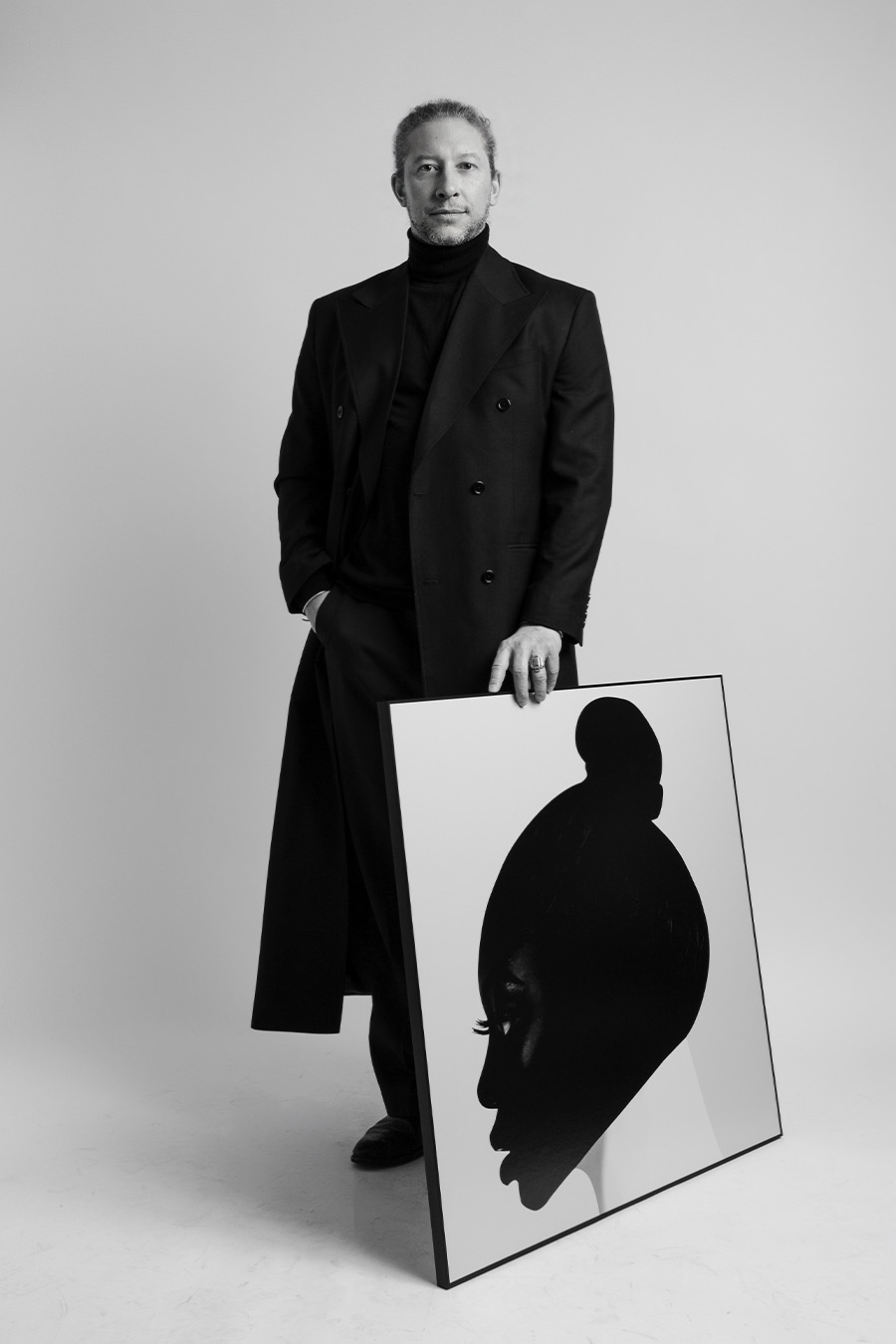
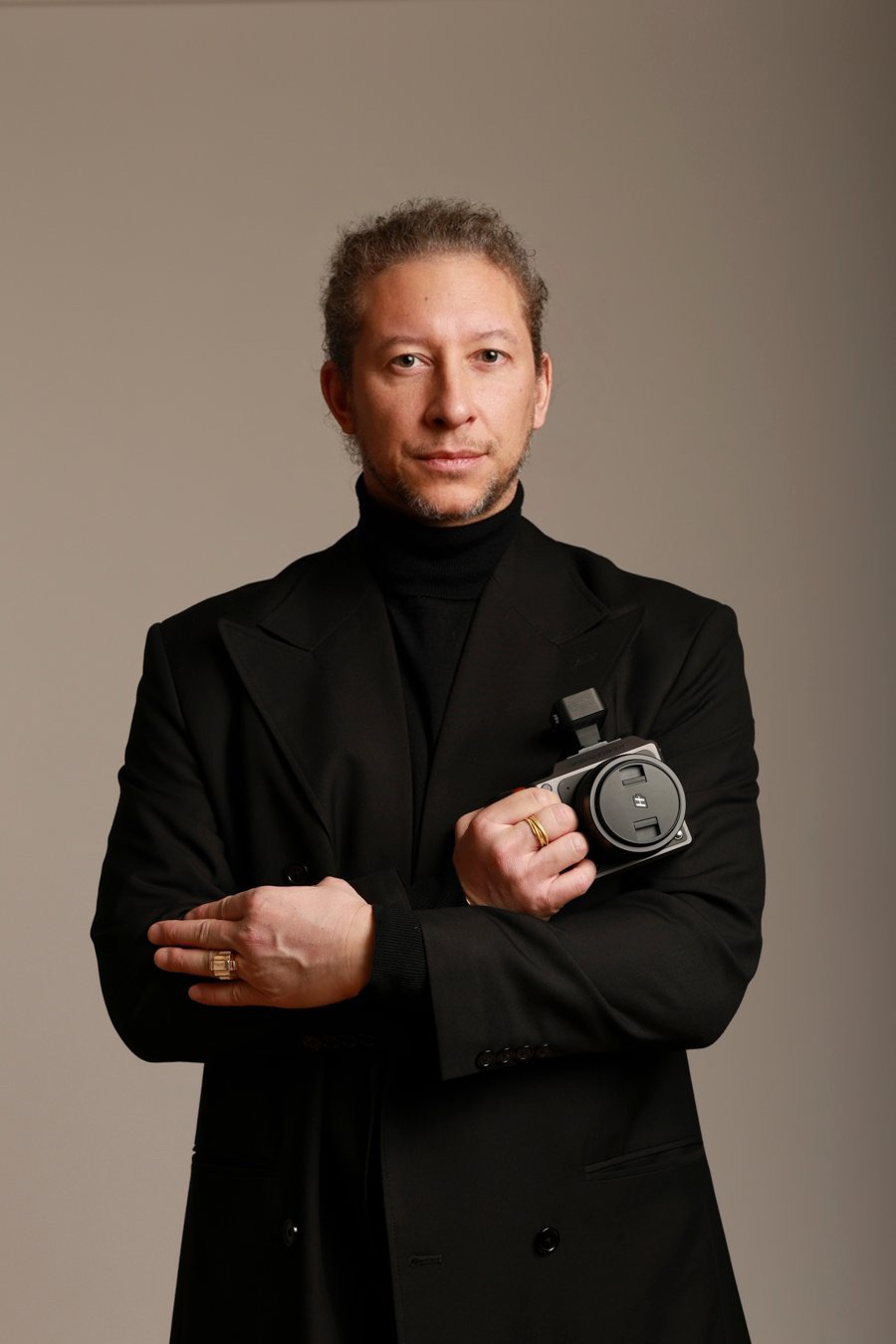
Rooted in the visual arts, FX Pelissier has made photography a natural extension of his sensitivity. Through portraiture and the body, he explores light, form and presence — between abstraction and tension. His work questions the gaze, representation and the responsibility of the image.
Nudity is material, not a subject. I transform the body into form, almost into a living sculpture.
Background and the Turn to Photography
Repostage: Can you tell us about your background and how you developed your interest in photography? What initially drew you to portraiture?
FX Pelissier: My background is deeply connected to the visual arts. I grew up surrounded by artistic practice, which shaped my relationship to images. I studied graphic design and earned a master’s degree.
I received my first camera at sixteen. Photography became a natural extension of my sensitivity.
Portraiture interests me because it lies between representation and abstraction. I photograph presence and tension, not just a face. The portrait is a space for projection and formal exploration.
The Playboy Collaboration
Repostage: How did you approach your collaboration with Playboy?
FX Pelissier: As a field of experimentation. Playboy has a strong visual identity. I aimed to shift the gaze rather than continue its tradition. I used a minimalist approach focused on light, form and posture. It allowed me to assert my own artistic language.
The Body as Territory
Repostage: How do you define your role when working with glamour and nudity?
FX Pelissier: Nudity is material, not a subject. I transform the body into form, almost into a living sculpture. My choices are guided by restraint and balance. The body is never an object, it is shared territory. Consent and agency are essential.
Repostage: Why is the presence of Black bodies important in your work?
FX Pelissier: Because they have historically been marginalized or instrumentalized in art history. Including them fully is an artistic necessity.I aim for visual rebalancing rather than illustration. These bodies bring formal and luminous richness to my work.
Repostage: How do you approach their representation in marginalizing spaces?
FX Pelissier: With attention to the gaze and avoidance of exoticism.The body is treated as architecture. Light reveals without dominating, creating a beauty that follows its own internal logic.
Freedom, Responsibility and the Gaze
Repostage: Do your images engage with visual stereotypes?
FX Pelissier: Yes, indirectly. I prefer displacement over direct commentary.By simplifying the image and reducing narrative, I slow down perception and invite new ways of seeing.
Repostage: How do you balance artistic freedom and responsibility?
FX Pelissier: Responsibility is part of freedom. Every image carries meaning.I work within tension between intuition and awareness — and that tension creates precision.
Repostage: What role do trust and agency play?
FX Pelissier: They are central. A constrained body shows. An active model brings quiet power.I create conditions for autonomy to emerge.
Evolution and Current Directions
Repostage: How has reception influenced your thinking?
FX Pelissier: It confirmed that images can create symbolic recognition.It reinforces my commitment to an independent and demanding practice.
Repostage: How has your practice evolved?
FX Pelissier: It has become more condensed and stripped down.Today it focuses on form and light, moving away from immediate seduction.
Repostage: What are you exploring now?
FX Pelissier: The body as sculpture, repetition, mirrors and distortion. Monochrome and black and white are central.Questions about gaze and representation remain open and evolve with my journey.